Houseplant Hacks: Do Eggshells Deter Fungus Gnats? The Truth Revealed
Fungus gnats rank among the most frustrating houseplant pests, seemingly materialising from thin air to buzz persistently around soil and faces alike. In the quest for a natural solution, many gardeners turn to a popular internet tip: crushing eggshells and sprinkling them over compost to repel these tiny insects. This approach promises a thrifty, eco-friendly fix by repurposing kitchen waste, but does it actually work?
The Problem with Fungus Gnats
These pests thrive in damp environments, laying eggs in moist compost where larvae can feed on organic matter. Their sudden appearance can baffle even experienced plant owners, leading to a search for quick remedies. The eggshell hack appeals because it aligns with sustainable practices, offering a dual benefit of potential pest control and soil enrichment through added calcium.
The Hack Explained
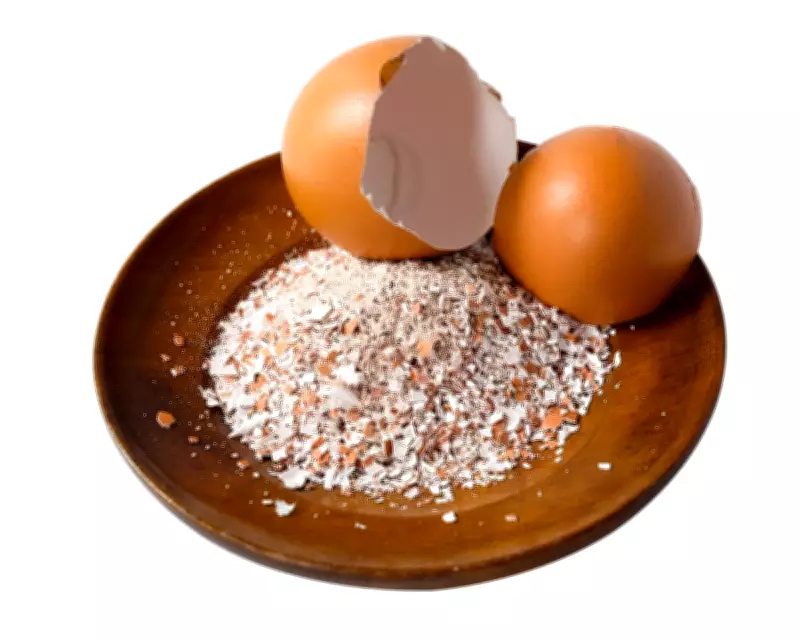
The theory behind using eggshells is straightforward. A layer of crushed shells is supposed to create a physical barrier that prevents adult gnats from accessing the soil to lay eggs. Additionally, proponents suggest that as the shells break down, they release nutrients that act as a natural fertiliser. This method has gained traction online, celebrated for its simplicity and resourcefulness in recycling household items.

Testing the Method
To implement this hack, clean and dry eggshells are crushed into small pieces and scattered evenly across the soil surface in plant pots. In practice, however, the results are disappointing. The eggshells often sit atop the soil, looking rustic but largely ineffective. They fail to form a consistent barrier due to their uneven texture, allowing gnats to penetrate the compost easily. Moreover, since fungus gnats are attracted to moisture, the shells do nothing to address the core issue of damp soil, leaving the pests undisturbed.
The Verdict on Eggshells
Eggshells belong in the compost bin, not as a gnat deterrent. Scientific evidence and gardening experts confirm that they are ineffective against fungus gnats. Instead of relying on this myth, focus on proven strategies to manage infestations. Key steps include allowing the soil surface to dry out between waterings, using sticky traps to capture adult gnats, and addressing overwatering or poor drainage that fosters larvae growth. By targeting the real causes, you can protect your plants without resorting to unproven hacks.
Effective Alternatives for Gnat Control
For those battling fungus gnats, consider these reliable methods:
- Soil Drying: Let the top layer of compost dry completely to disrupt the gnat life cycle.
- Traps: Place yellow sticky traps near plants to catch adult gnats and reduce populations.
- Biological Controls: Introduce beneficial nematodes or predatory mites that target gnat larvae.
- Proper Watering: Adjust watering habits to prevent soggy soil, using well-draining pots and mixes.
By adopting these approaches, you can maintain healthier houseplants and avoid the pitfalls of ineffective kitchen waste solutions. Remember, sustainable gardening thrives on evidence-based practices, not just trendy hacks.