Scotland's Machair: A Rare Floral Spectacle Sustaining Hebridean Life
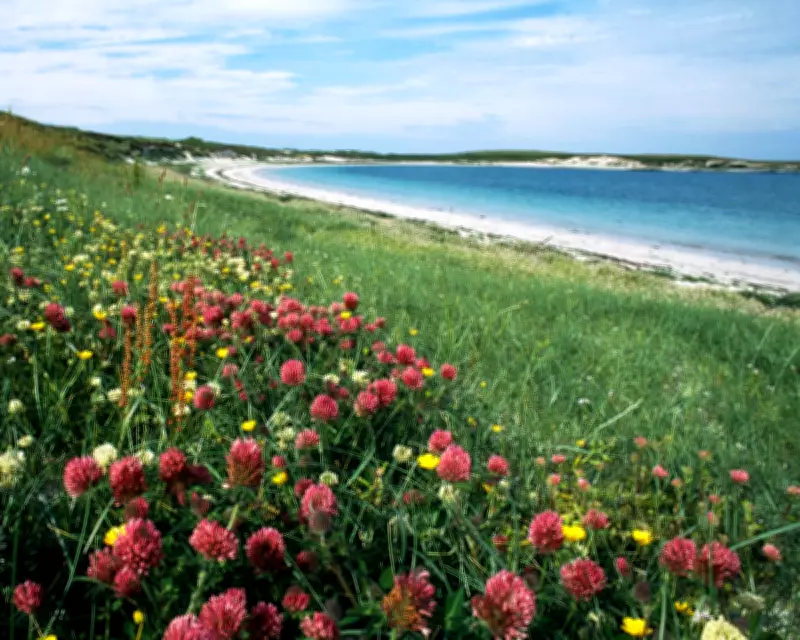
On the western fringes of Scotland's Outer Hebridean islands, a remarkable environment known as the machair flourishes, offering a dazzling display of wildflowers and playing a crucial role for wildlife and local communities. Formed over 8,000 years ago by retreating glaciers, rising sea levels, and Atlantic gales, this coastal belt of lime-rich soil is one of Europe's rarest habitats, abounding in biodiversity.
The Birth of a Unique Habitat
The machair, Gaelic for "fertile grassy plain," began with crushed shell-sand deposited inland by sweeping winds and waves, settling over glacial sediment. Buffered by sand dunes, this winter-wet and summer-sunned substrate supports a vibrant array of species, from purple orchids and nodding blue campanulas to endangered birdlife, otters, and rare bumblebees. Its greatest extent lies on the Scottish archipelago, particularly on islands like Barra, Uist, and Harris, with remnant areas also found in north-west Ireland.
A Symbiotic Relationship with Crofting
For generations, crofting—the traditional, small-scale agriculture unique to Scotland's Highlands and Islands—has managed machair as low-intensity pastureland. Crofters improve fertility by spreading locally harvested seaweed as organic fertiliser, grazing livestock, and growing crops on sustainable cycles that benefit wildlife regeneration. With crofting undergoing a quiet resurgence, many are exploring new ways to sustain this old way of life, such as diversifying income through tourism and local produce.

During a family trip to the Outer Hebrides, the machair's magic was evident. From Barra to Lewis, the landscape shifted from pristine coves to freshwater lochs and moorland drama. Highlights included exploring the RSPB reserve at Balranald on North Uist, where fallow wildflower fields and cultivated areas create a subtle patchwork, and visiting crofters like DJ and Lindsay of Long Island Retreats & Larder, who host island experiences to subsidise their livestock farming.
Experiencing the Islands' Charms
Travelling by motorhome allowed for spontaneous discoveries, from pop-up food vans serving scallop buns and salmon to honesty-box kiosks like Croft 36 on Harris, offering homemade baked goods with machair-grown ingredients. Memorable moments included swimming in sunlit coves, spotting peregrines and basking seals, and visiting heritage sites like Geàrrannan Blackhouse Village on Lewis, which conveys the challenging history of crofting communities.
The machair's floral spectacle, with blankets of red and white clover, yellow trefoil, and creamy eyebright, left a lasting impression. This rare habitat is not just a visual feast but a lifeblood for the islands, supporting both nature and the resurgent crofting way of life. As a wildflower fanatic, witnessing this Technicolor dream in peak bloom was a long-held aspiration fulfilled, revealing the intricate beauty and vital role of Scotland's machair.