A monumental effort to recatalogue and repackage tens of thousands of historical artefacts has commenced at Northern Ireland's centralised archaeological storehouse. This state-of-the-art, climate-controlled facility in County Antrim has recently completed a major refit, effectively doubling its storage capacity to safeguard the region's buried heritage.
A Central Hub for Northern Ireland's Buried Past
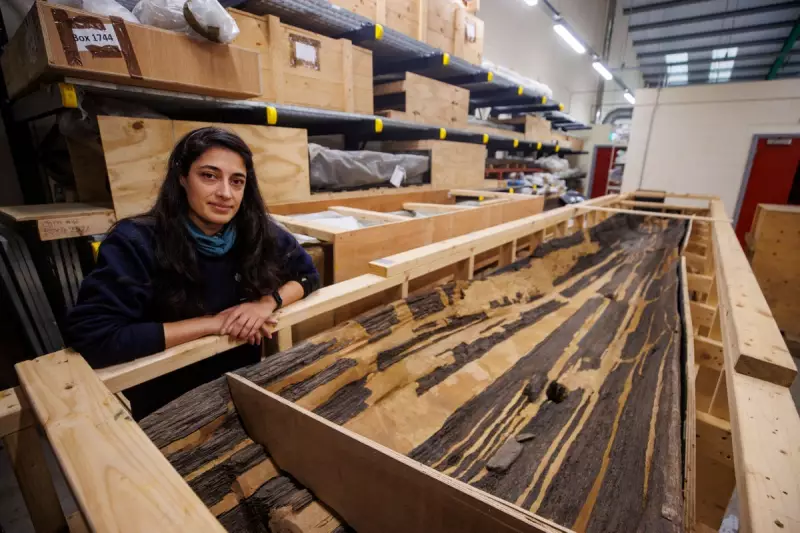
For decades, items recovered from archaeological digs across Northern Ireland were dispersed in various buildings. Only a select few ever made it to public museum displays. This changed with an investment by Stormont's Historic Environment Division (HED), which established the centralised store. The repository now holds a vast array of rare finds, ranging from ancient flint spearheads to a remarkable seven-foot-long, 4,000-year-old log boat discovered near the River Bann.
Many of these objects were excavated years ago, under cataloguing and storage practices that no longer meet modern preservation standards. Curatorial archaeologist Sapphire Mussen, who is leading the new project, explained that Northern Ireland's standards for artefact care had historically lagged behind those in the rest of the UK and the Republic of Ireland.

Raising Standards for Future Generations
"The standards of practice naturally do change with time and unfortunately we've fallen behind a little bit here," Ms Mussen stated. "We're no longer in line with other jurisdictions, but we have made massive strides to change that." This push follows the introduction of a new suite of standards and guidance for archaeological archives in Northern Ireland earlier this year.
From 2025 onwards, all new excavation archives must meet stringent criteria for long-term storage. The current mammoth task involves addressing the 'legacy archives' – everything predating 2025 already held in the Co Antrim store. The team is systematically improving packaging, labelling, and overall housing conditions for these invaluable collections.
Unlocking Global Research Potential
The store is not just a static warehouse; it is a vital resource for researchers worldwide. Academics can apply to HED to examine artefacts and even perform tests like carbon dating. The store's team aligns its repackaging work with these research requests, prioritising items of active academic interest.
"We've had people from America and Scotland and the south of Ireland, people from all over," Ms Mussen said, highlighting the global demand. She cited a recent researcher from the United States studying early medieval glass beads. "It might not seem very exciting from a public-facing point of view, but it's very important for learning more about the past... It gives validity to what we hold if they are accessed and used."
The ultimate goal is to ensure these artefacts, which tell the story of human life on the island, are preserved to the highest standard and remain accessible for meaningful research for centuries to come.