Wealthy Nantucket Community Divided Over Vandalised Coastal Defences
A bitter dispute has intensified among the affluent residents of Nantucket following allegations that critical coastal reinforcements, installed to prevent multi-million dollar mansions from collapsing into the sea, have been deliberately sabotaged. The exclusive island enclave, where average property values hover around $3 million, faces an escalating battle against rapid shoreline erosion that threatens its luxurious waterfront homes.
Erosion Crisis at Siaconset Bluff
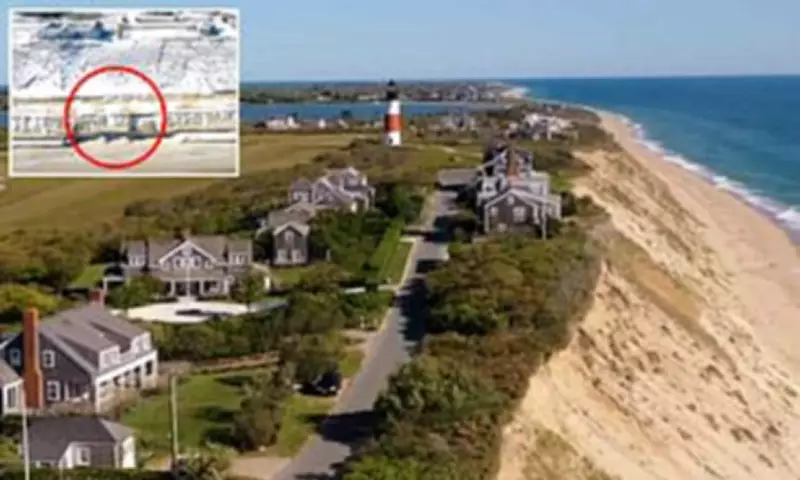
The focal point of this conflict is Siaconset Bluff, a precipitous cliff overlooking the Atlantic Ocean that has been identified as one of the island's most rapidly disappearing areas. Geological surveys indicate this section has been losing up to four feet of sand annually since the year 2000, creating an urgent threat to properties situated mere yards from the eroding edge. The village of Siaconset, colloquially known as 'Sconset, finds itself at the epicentre of this environmental and social crisis.
Geotube Installation and Controversy
In 2014, the Siasconet Beach Preservation Fund (SBPF) implemented a defensive measure involving 900 feet of 'geotubes' along the bluff's base. These industrial-strength fabric sleeves, filled with sand to provide structural weight, were deployed following a series of destructive storms that severely damaged the beachfront. However, this engineering solution has proven deeply divisive.

The Nantucket Coastal Conservancy has consistently opposed the installation, arguing that such hard structures ultimately destroy natural beaches and may accelerate coastal deterioration rather than prevent it. This fundamental disagreement over coastal management strategy has fostered long-standing animosity between conservationists and property protection advocates.
Alleged Vandalism Sparks Police Investigation
The conflict reached a new crescendo when the Coastal Conservancy shared a video on Saturday depicting a section of the geotube seawall collapsed onto the beach. SBPF representative Meridith Moldenhauer responded forcefully, asserting this damage resulted not from structural failure but from deliberate criminal vandalism.
'I have just contacted the Nantucket Police Department to file a police report because the geotubes did not fail; they were deliberately vandalized and cut,' Moldenhauer stated to The Nantucket Current. 'Our team documented multiple intentional cuts with both video and photographs. We are extremely concerned and frankly shocked - this was a deliberate criminal act.'
Supporting evidence reportedly includes additional footage showing a man revealing a clean slit in the fabric reinforcement, with audio commentary suggesting the damage appeared intentionally inflicted. Photographic documentation indicates similar cuts affected multiple sections of the coastal defence system.
Investigation Timeline and Community Response
While the perpetrator remains unidentified, investigators note that undamaged geotubes appeared in photographs dated December 1st, suggesting the vandalism occurred subsequently. This incident marks the first known act of sabotage against the 'Sconset erosion control structures.
Initially, Coastal Conservancy director D Anne Atherton interpreted the damage as potential structural failure, writing to town officials that coastal engineers had warned repairs would be 'challenging' and suggesting the geotubes might be 'nearing the end of their service life' after twelve years of deployment.
However, upon learning of the vandalism allegations, Atherton issued a strong condemnation: 'As much as the Nantucket Coastal Conservancy has been an opponent of seawalls on Nantucket’s open beaches, we vigorously condemn what appears to be a recent act of vandalism. There is no place in our community for acts like this.'

Regulatory Reversal and Expanded Defences
Amid this controversy, the Nantucket Conservation Commission executed a significant policy reversal in March 2025. Despite having ordered removal of the original 900-foot geotube installation in 2021, the commission approved a substantial 3,000-foot expansion of the erosion control system. This decision represents a complete turnaround in regulatory approach to coastal management on the island.
The ongoing police investigation continues as this exclusive community grapples with intersecting concerns of property protection, environmental conservation, and now alleged criminal activity that has further polarised residents in their battle against the encroaching sea.