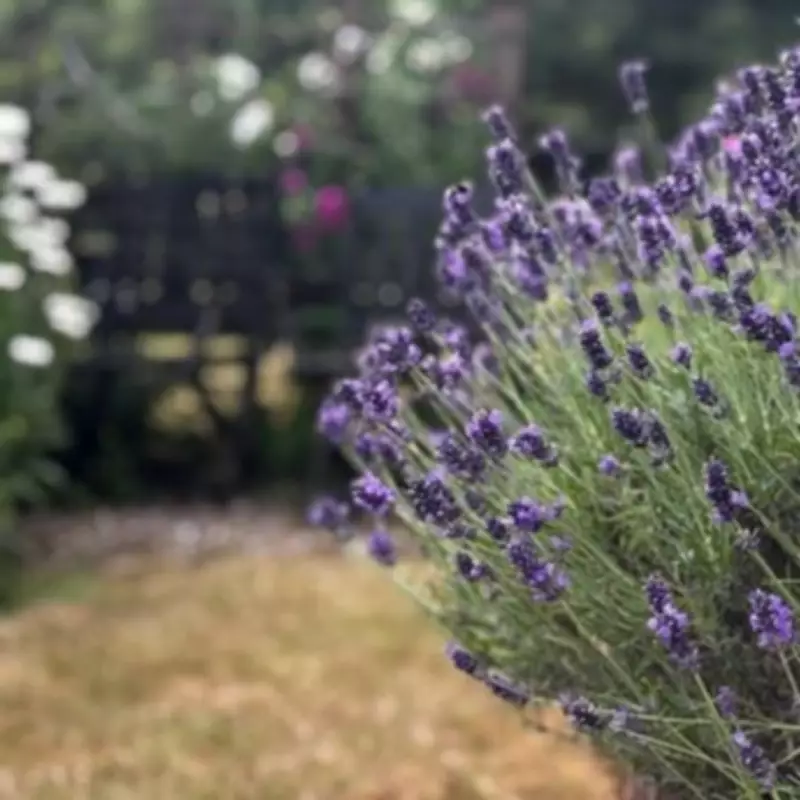
Essential Spring Pruning for Lavender Plants Across British Gardens
As lavender begins to awaken from its winter dormancy in gardens throughout the United Kingdom, horticultural experts are urging gardeners to perform a crucial five-minute task to ensure the plants achieve their full summer potential. Many lavender specimens currently appear far from their peak summer glory, requiring timely attention to maintain their form and vitality.
The Critical Timing for Lavender Pruning
Gardening specialist Michael Griffiths, who shares advice through his popular TikTok account @themichaelgriffiths, emphasizes that mid to late spring represents the perfect window for pruning lavender, particularly for those who missed the optimal late summer trimming period. "If you overlooked pruning your lavender last summer, or if your plants appear untidy or show signs of frost damage, this is the ideal moment to prune as new growth emerges," Griffiths explained.
Despite its popularity, lavender remains the most underpruned plant across British gardens, with many enthusiasts hesitant about cutting into the brown woody sections of the plant. This apprehension often leads to plants becoming leggy and less productive over time.

The Correct Pruning Technique Explained
Griffiths has revealed the proper method for spring lavender pruning, stressing one fundamental rule: gardeners can prune as vigorously as they desire, provided they avoid cutting into old wood and ensure some new growth remains below the cutting point. The distinction between old and new growth is remarkably clear during this season—old wood appears brown with almost white foliage, while new growth displays vibrant green coloring.
The expert advises pruning just above the old wood while preserving a portion of the new growth. For those who accidentally cut into the old wood, Griffiths warns that those sections "may not regrow" and "you could lose the plant entirely." His recommendation when uncertain is simple: always cut above the new growth to ensure the plant's survival and future development.
Considerations and Consequences of Pruning
It's important to recognize that aggressive pruning may result in fewer blooms and a delayed flowering period. British springs are notably brief and chilly, meaning a lavender plant severely pruned in April has limited recovery time before its flowering cycle begins. Gardeners should balance their pruning enthusiasm with the understanding that moderate trimming typically yields the best results.
Once summer arrives in the United Kingdom, additional maintenance proves beneficial. Deadheading lavender by removing faded flower stems after the initial bloom period in late June encourages a more robust second flowering in late summer. While not strictly necessary—as the seed heads can provide visual interest if left intact—this practice significantly enhances the floral display for many lavender varieties come August.
This straightforward gardening task, requiring just minutes of attention during the crucial spring window, can transform lavender plants from weary, woody specimens into vibrant, healthy bushes that provide aromatic beauty throughout the summer months. With proper technique and timing, British gardeners can ensure their lavender reaches its full ornamental potential.