The New World screwworm, a deadly parasite capable of killing cattle by consuming their living flesh, has been confirmed dangerously close to the Texas border, prompting urgent calls for action from agricultural officials.
Imminent Threat to Livestock
In a recent development, the cattle-killing New World screwworm has been identified in a young calf in Nuevo León, Mexico, located merely 60 miles from the United States border. Over the past four months, this parasitic menace has advanced approximately 60 miles northward, significantly heightening the risk of infestation in Texas livestock.
Nature of the Parasite
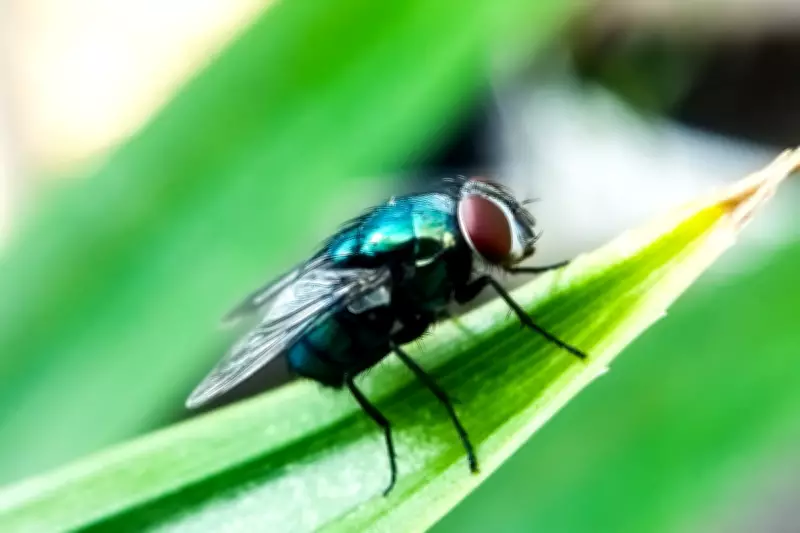
The New World screwworm fly, often referred to simply as the screwworm, is a species of blowfly that deposits its eggs within wounds on warm-blooded animals. Upon hatching, the larvae exclusively feed on living tissue, unlike other maggots that consume dead matter. This feeding behavior not only causes severe damage and increases infection risks but also creates fresh wounds that attract additional flies, exacerbating the infestation.

If left untreated, these parasites can lead to the death of affected animals, posing a grave threat to cattle populations and the agricultural economy.
Official Response and Strategy
Texas Agriculture Commissioner Sid Miller has issued a stark warning, describing the confirmed case as a "flashing red warning sign" that demands immediate attention. He emphasized the necessity of proactive measures to safeguard U.S. livestock from this encroaching danger.
"The threat of the New World screwworm is creeping dangerously close to our border," Miller stated on Monday. "We must ramp up surveillance, tighten coordination at the border, and deploy every available resource to stop this dangerous pest."
Sterile Insect Technique
To combat the screwworm, officials are reviving a proven strategy from the 1950s that successfully reduced the parasite population for decades. This method involves releasing sterile male flies into the wild to mate with females, resulting in unfertilized eggs. Since screwworms typically lay eggs only once in their lifetime, this approach can drastically curtail the birth of new flies without harming livestock.
However, continuous monitoring is essential to ensure the effectiveness of this technique, as stressed by agricultural authorities.
Infrastructure and Collaboration
In a significant move to bolster defenses, the U.S. Department of Agriculture and the U.S. Army Corps of Engineers have commenced construction on a new $750 million facility in Edinburg, Texas. Scheduled for completion by November 2027, this facility aims to produce 100 million sterile flies weekly, enhancing the capacity to manage the screwworm threat.
Stephen Diebel, president of the Texas and Southwestern Cattle Raisers Association, praised the collaborative effort, noting that partnerships from federal to state levels are crucial for addressing this common purpose effectively.
Economic and Livelihood Concerns
Commissioner Miller underscored the vital role of Texas ranchers, who "feed this country and fuel the Texas economy." He asserted that they deserve vigilance, urgency, and decisive action to protect their livelihoods from the screwworm's advance.
"We’ve beaten the New World screwworm before, and we will beat it again, but only if we treat this threat with the seriousness it demands right now," Miller concluded, highlighting the imperative for immediate and coordinated efforts to mitigate this agricultural crisis.