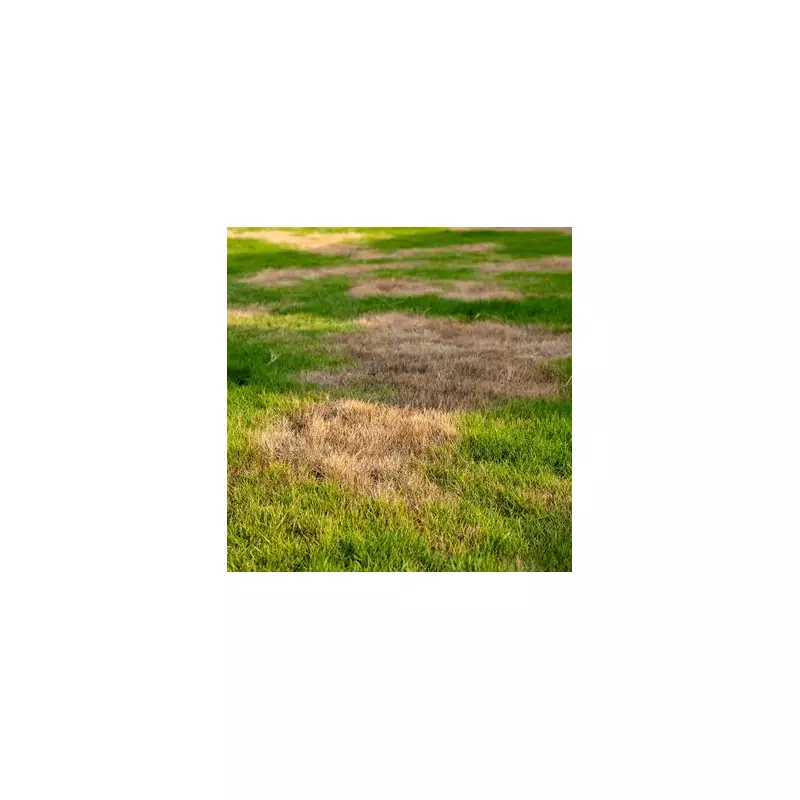
A leading gardening expert has issued a stark warning to British gardeners about a surging pest problem that could be secretly ruining lawns. The culprit, leatherjackets, is described as reaching 'epidemic' levels, particularly in newer properties, and is responsible for creating unsightly bald patches.
What Are Leatherjackets and Why Are They a Problem?
While winter is typically a quiet period for lawn maintenance, the damage caused by these pests often becomes visible now. Leatherjackets are the soil-dwelling larvae of crane flies, commonly known as daddy longlegs. Britain is home to around 350 different species, though not all are widespread.
These grubs are identifiable by their grey-brown, legless, tubular bodies, which can grow up to 30mm long. According to the Royal Horticultural Society (RHS), while some species are harmless, others feed aggressively on the roots and stems of living plants, including grass. This activity kills the turf from below, leading to yellowing and then bare, brown patches on your lawn.

Gardening specialist Ish highlighted the issue in a recent TikTok video, noting the problem is especially prevalent on lawns of newly-built homes. To check for an infestation, he recommends using a fork or trowel to lift a section of damaged turf; the leatherjackets will be visible in the top layer of soil.
The Effective Solution: Using Nematodes
Taking swift action is crucial to prevent the problem from worsening come spring. The recommended treatment is the application of nematodes, a biological and completely safe control method.
Nematodes are microscopic, parasitic worms that actively hunt for leatherjackets in the soil. To use them, you mix the nematodes with tepid water in a watering can and apply the solution directly to the lawn. Ish advises applying the treatment in the late afternoon for maximum effectiveness.
The RHS confirms that this method is safe for people, pets, and wildlife. For it to work, the soil must be moist and well-drained, with temperatures consistently above 12°C (54°F). It is best to focus the treatment on the affected areas and the turf immediately surrounding them to stop the larvae from migrating.
Ensuring Long-Term Control
The nematodes take approximately seven days to begin working. However, for complete control, Ish suggests repeating the treatment over a three to four-week period. This ensures any newly hatched larvae are also eliminated, bringing the infestation fully under control before the main growing season begins.
By tackling this hidden winter pest now, gardeners can protect their lawns and ensure a lush, healthy green space is ready to thrive when spring arrives.