As spring encourages more time spent in outdoor spaces, homeowners are becoming increasingly aware of the threat posed by rats nesting and causing damage in gardens and around properties. However, there are practical steps you can implement to prevent these unwelcome visitors from taking up residence.
The Risks of Rat Infestations
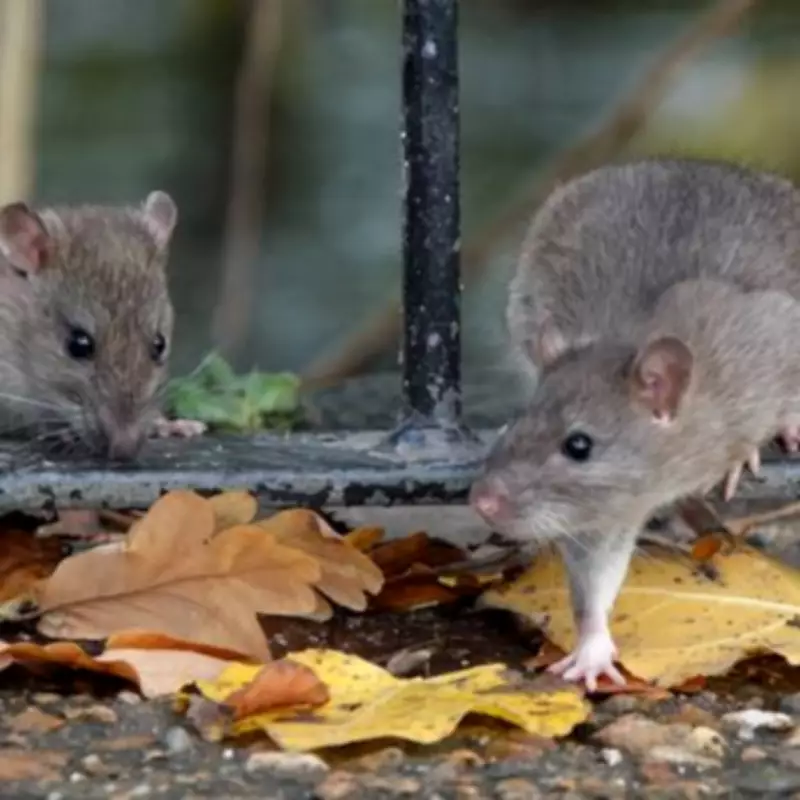
Rats are widely regarded as vermin due to their ability to spread dangerous diseases, including leptospirosis and Weil's disease. Their adaptability allows them to thrive in close proximity to human habitats, largely because they feed on a wide variety of foods commonly found in gardens.
These rodents will scavenge from bins, consume fruit, root vegetables, and other available sources, meaning that the exterior of your home is not always a safe haven. Once rats identify a location with abundant food supplies, they often establish nests in areas such as decking, sheds, greenhouses, and even compost bins.

The Nocturnal Nature of Rats
Rats are predominantly nocturnal creatures, typically venturing out only after dark. This behaviour makes them particularly difficult to detect and locate precisely, underscoring the importance of proactive prevention measures.
One Critical Mistake to Avoid Immediately
There is one fundamental method to stop rats from accessing your garden in the first place, and it is remarkably simple to put into practice. By feeding birds and other wildlife in your garden, you could be inadvertently drawing rats in through fallen food from bird feeders.
Removing these feeders from your garden or allotment should immediately reduce rat activity. It is recommended that you store bird food and other animal feed in secure containers, or consider ceasing feeding entirely and opting to provide natural seeds and berries instead.
Additional Strategies for Rat Prevention
Rats are constantly seeking shelter and security to nest undisturbed, so maintaining a well-kept garden makes this considerably more difficult for them. Keeping grass trimmed, clearing storage areas, and removing overgrown patches will all ensure rats have no suitable place to settle.
However, by doing this, you are also reducing the chances of welcoming other desirable wildlife, such as hedgehogs. Clearing away leaves, wood, and other materials creates a less hospitable environment for various species, so it truly depends on your preferred outcome.
Utilising Rat Behaviour to Your Advantage
Regularly rearranging items in your garden is another effective method of deterring rats, as they are neophobic. This means they have an intense fear of unfamiliar things, and consequently, new objects or changes to the garden layout will unsettle them.
Anything that disrupts their established territory is deeply off-putting for rats, meaning the more obstacles you place in their way, the more likely they are to abandon your garden altogether.
Blocking Access Points
With this in mind, a straightforward way to stop them settling in is simply blocking access points. In particular, sealing off any decking you have is crucial, as its sheltered position provides an ideal spot for them to take up residence.
Alternatively, if you are truly committed to rodent control, you might even consider removing your decking entirely and replacing it with a patio area, so everything remains exposed and open.
Sealing off access to your outbuildings, such as sheds or garages, is equally essential if you want to ensure rats are not sneaking in and claiming the space as their own. This means securing all potential entry points by plugging any holes, gaps in floors, and poorly fitting doors.
Managing Compost Bins Effectively
If you own a compost bin, this should also be firmly on your radar as an area to protect from rats, as they will feast on whatever food they can find. With this in mind, refrain from placing any meat, dairy, or cooked food scraps into your bin, and pay particular attention to keeping it sufficiently moist, as rats are put off by this.
Make sure you regularly turn the heap, and should you discover it is already too late, with rats having found their way into your bin, avoid using this compost on any crops you intend to eat. From a health and safety perspective, treat the compost as though it has been contaminated.