UK Food Security Debate: Calls to Boost Domestic Farming and Sustainable Diets
In response to George Monbiot's analysis of the fragility of the global food system, highlighted by the Iran war, Richard Harvey and Joy Webb have penned letters to the Guardian, offering insights on how Britain can improve its food security. Their contributions underscore the urgency of addressing declining domestic production and promoting responsible consumer habits.
Declining Self-Sufficiency and Land Use Challenges
Richard Harvey from Oakham, Rutland, agrees with Monbiot's assessment of the serious risks posed by potential breakdowns in the UK food supply chain. However, he emphasizes two critical points. First, Harvey notes that food self-sufficiency in the UK has plummeted from 78% in 1984 to 62% in 2024. This decline is largely attributed to the loss of farmland to non-agricultural uses, including buildings, roads, railways, conservation schemes, solar farms, and recreational areas. He argues that planning for scenarios where imported food may become scarce is essential.
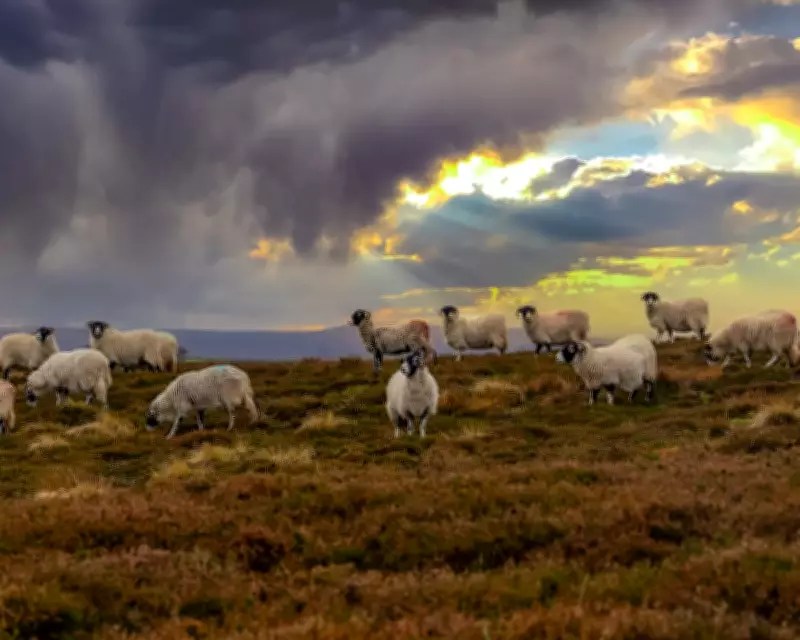
Second, Harvey challenges the notion that plant-based diets inherently use less land and resources than meat production. He explains that beef cattle and sheep are raised extensively in the UK on improved and semi-natural grasslands, as well as mountain heath and bog, which constitute 38% of the UK's land area. This land receives minimal fertiliser and no chemicals, with animals fed primarily on grazed and conserved grass. Harvey contends that very little of this terrain could be repurposed for other crops, making it a vital food production resource with limited commercial alternatives.

Individual Actions and Sustainable Choices
Joy Webb from Penistone, South Yorkshire, shares Monbiot's concerns but offers a more hopeful perspective, focusing on individual empowerment. She advises consumers to use their "loaf" when shopping and cooking by ensuring that all food purchases meet at least one of these criteria: local, organic, animal-friendly, or fairtrade. Webb encourages growing food in small gardens, using seasonal products, and supporting local ventures to enhance food resilience.
She highlights that organic farming avoids synthetic fertilisers, benefiting both health and the environment, and advocates for diets with little or no meat. Additionally, fairtrade products support small producers already impacted by global conflicts. Webb urges people to cook meals from scratch rather than relying on ready-made options, promoting a more sustainable and self-sufficient lifestyle.
Broader Implications for UK Policy and Society
These letters reflect a growing discourse on food security in Britain, touching on issues of land management, agricultural sustainability, and consumer responsibility. The debate underscores the need for balanced approaches that consider both environmental impacts and economic realities. As global tensions, such as the Iran war, threaten supply chains, the calls for increased domestic production and mindful consumption become ever more pertinent.
Ultimately, Harvey and Webb's contributions highlight that improving food security requires a multifaceted strategy, combining policy support for farming with grassroots efforts to foster sustainable habits among the public.