UK Government Proposes Easing Planning Rules for Intensive Livestock Farms
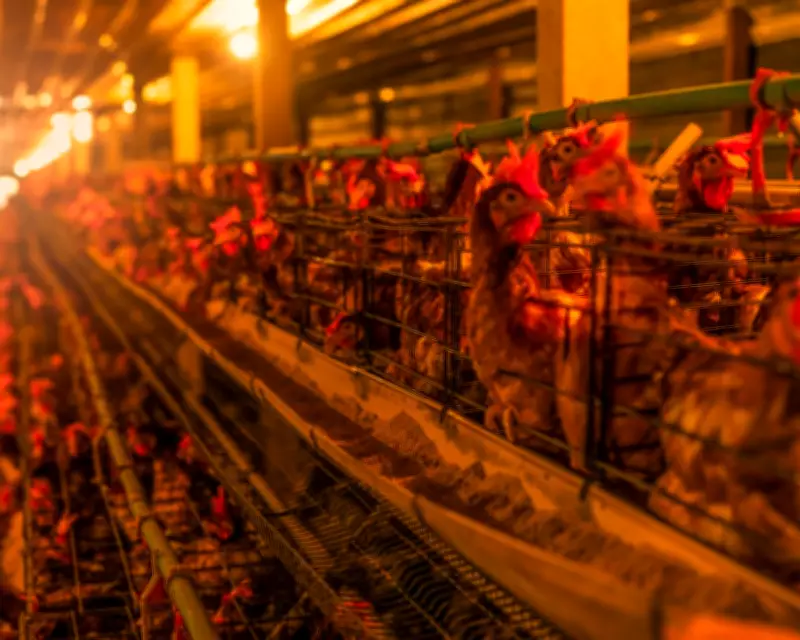
Ministers are advancing plans to relax planning regulations to make it easier to construct intensive livestock farms, a move driven by industry lobbying but met with significant opposition over environmental and community impacts. Documents obtained under the Freedom of Information Act detail a years-long campaign by poultry producers to influence national policy, highlighting tensions between agricultural expansion and ecological safeguards.
Industry Lobbying and Government Response
The British Poultry Council (BPC), representing major chicken producers, has been actively lobbying the government for at least two years, citing the need for more space to meet voluntary welfare commitments. In submissions to the farming minister Angela Eagle, the BPC emphasized that access to additional growing areas is the sector's top priority, crucial for long-term food security. Eagle responded by announcing proposals to reform the planning system, stating that planning should enable ambition rather than stifle it, with briefing notes directly linking these changes to industry demands.
Internal discussions reveal that the Department for Environment, Food and Rural Affairs (Defra) and the Ministry of Housing, Communities and Local Government have collaborated to address planning barriers for poultry sheds and other food production infrastructure. The draft National Planning Policy Framework (NPPF) includes measures such as raising the threshold for refusing applications on environmental grounds, reducing local authority autonomy to impose stricter rules, and giving greater weight to domestic food production and livestock accommodation improvements.

Environmental and Community Concerns
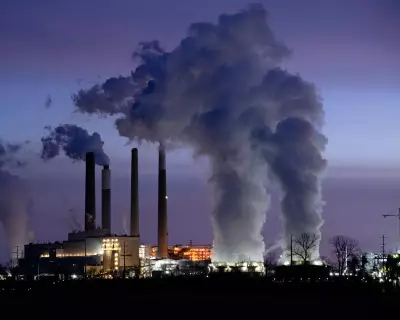
Critics argue that the proposed changes could exacerbate existing environmental issues, with agriculture already identified as the leading cause of water pollution in the UK. The Environment Agency estimates that farming contributes to 70% of nitrate pollution and 25-30% of phosphorus pollution, with runoff from intensive poultry units being a significant factor. Local opposition groups, such as Communities Against Factory Farming, warn that the new planning regime risks embedding industrial livestock operations in rural and green belt areas without adequate scrutiny, potentially harming rivers, air quality, and community well-being.
Recent cases, like the rejection of Cranswick's plan for a massive chicken farm in Norfolk due to environmental risks, illustrate the contentious nature of these developments. Professor Paul Behrens from the University of Oxford challenges the food security argument, noting that intensive poultry farming relies on imported feed and vitamins, increasing vulnerability to disease outbreaks like avian flu, thus undermining its sustainability claims.
Industry Justifications and Future Implications
Richard Griffiths, CEO of the British Poultry Council, asserts that planning reforms are necessary to accommodate welfare improvements, such as reducing stocking densities from 38kg to 30kg per square metre, rather than expanding production. He emphasizes the need to balance welfare with environmental impact and food security, warning that failure to support domestic production could lead to increased imports. The BPC has also advocated for classifying food production as critical national infrastructure to prioritize it in planning decisions.
However, the voluntary nature of welfare commitments raises concerns, as planning conditions may not ensure long-term adherence to lower stocking densities. Last month, several restaurant chains withdrew from the Better Chicken Commitment over its stance on fast-growing birds, highlighting ongoing debates within the industry. The government has denied that the NPPF proposals are linked to lobbying, stating they aim to support all sectors while addressing priorities like food security and environmental protection, but the disclosed documents suggest a strong industry influence on policy revisions.