For the first time in almost a week, Victoria's emergency services have lifted all emergency warnings, signalling a significant easing of the immediate bushfire threat. However, authorities caution that a dozen major fires continue to burn across the state, with the damage toll climbing sharply.
Scale of the Destruction
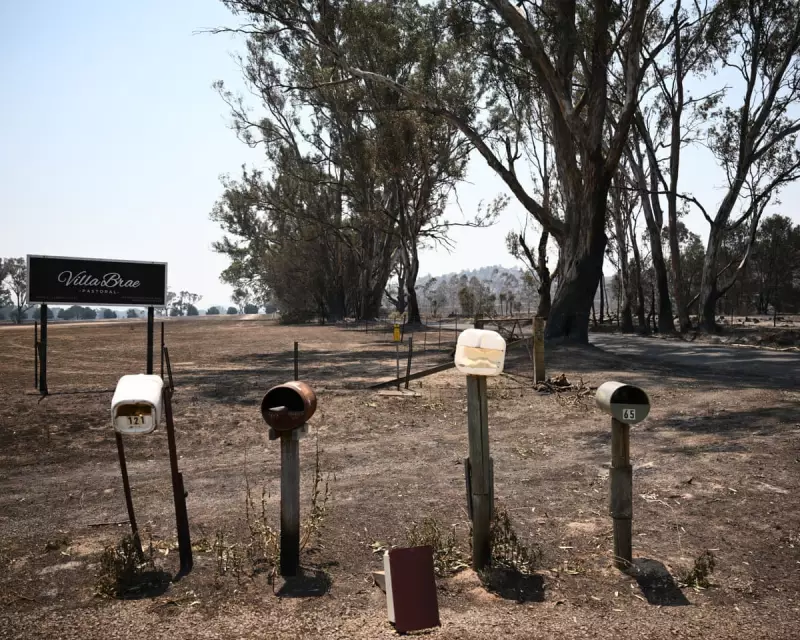
The State Control Centre confirmed on Tuesday that the number of structures damaged or destroyed has risen to more than 480, a significant increase from the 350 reported just a day earlier. These devastating blazes have scorched an estimated 404,000 hectares of land. The most destructive fire, the Longwood blaze in central Victoria, is responsible for at least 343 of these lost structures in areas including Euroa and Yarck, though the exact number of homes remains unclear.
The human cost of the fires was also confirmed, with the death of cattle farmer Maxwell Hobson. Hobson, who ran Aintree Farm Herefords in Terip Terip with his wife Julie, was tragically killed. Prime Minister Anthony Albanese extended his condolences, stating the community would be grieving and urging continued vigilance.

Widespread Impact on Communities and Agriculture
The damage extends far beyond the Longwood fire zone. The towns of Ravenswood and Harcourt have seen 50 structures lost and critical infrastructure, including the Bendigo rail line, damaged. Streatham has lost more than 45 structures, while the Grass Flat blaze destroyed 30 structures in Natimuk. Smaller communities like Yarroweyah and Walwa on the New South Wales border have also suffered significant losses of property and farmland.
The agricultural impact is severe. The Victorian Farmers Federation estimates over 15,000 livestock have perished, a number expected to grow. Surviving animals face starvation as fodder burns or require euthanasia due to injuries. The Walwa fire alone consumed 584 hectares of farmland and 28km of fencing.
Ongoing Risk and Recovery Efforts
Despite the reprieve in warnings, 12 major bushfires remain active and are expected to burn for days or weeks. Fire danger ratings are still high in several regions, including the Mallee and Wimmera. Country Fire Authority chief officer Jason Heffernan warned that weather data points to a return of warmer, riskier conditions in late January.
More than 70 aircraft, including the national large air tanker and air cranes, are supporting firefighting efforts. The focus for authorities is now shifting to reopening roads and aiding farmers in salvaging their livelihoods. The SCC has warned that the damage figures will likely continue to rise as assessment teams reach more isolated areas.