In a heartfelt tribute to the power of nature writing, Professor Terry Gifford has praised columnist Paul Evans as a "post-pastoral shaman" whose work offers profound emotional and spiritual healing. The academic's letter, responding to Evans's recent Country Diary entry, highlights how the writer's unique approach transcends traditional nature observation to provide deep reassurance in times of vulnerability.
A Multifaceted Journey Through Nature
Gifford notes that Evans begins his columns with poetic language before weaving together diverse elements including scientific observation, linguistic references from Finnish and Anglo-Saxon, conservation insights, and biblical allusions. This rich tapestry culminates in explorations of themes "beyond death," creating a holistic narrative that resonates on multiple levels. The professor emphasises how this blend moves readers towards an awareness of "life-in-death" that he finds particularly therapeutic.
The Healing Power of Nature Writing
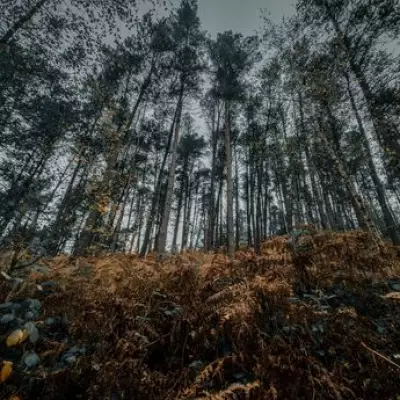
The letter specifically references Evans's January 22nd column about a kelo tree, which inspired Gifford to reconsider conventional notions of healing through nature. Rather than seeking a traditional "nature cure," the academic suggests that simply reading Evans's work can provide significant emotional benefits. He describes the columnist, once called "The Shropshire miniaturist," as guiding readers through complex ecological and philosophical landscapes with shamanic wisdom.

Gifford's response reveals how Evans's writing has prompted personal reflection and action. "It makes me want to go out and find a 'dead' tree in order to 'respect the standing dead' with a deepened understanding," he writes, illustrating how the column has shifted his perspective on natural cycles and mortality. This reaction underscores the transformative potential of thoughtful environmental writing that connects personal experience with broader ecological themes.
Broader Implications for Environmental Engagement
The professor's praise comes amid growing recognition of nature writing's role in fostering environmental awareness and emotional wellbeing. By characterising Evans as a "post-pastoral shaman," Gifford positions his work within contemporary literary traditions that challenge simplistic romantic views of nature while maintaining its restorative potential. This perspective highlights how modern nature writing can bridge scientific understanding, cultural heritage, and personal healing in increasingly fragmented times.
Gifford's letter from Wookey, Somerset, adds a geographical dimension to his appreciation, connecting local engagement with universal themes. His call to "respect the standing dead" suggests practical applications of Evans's insights, encouraging readers to reconsider their relationships with seemingly lifeless elements of the natural world. This response demonstrates how quality environmental journalism can inspire both contemplation and action, reinforcing the enduring relevance of nature writing in public discourse.