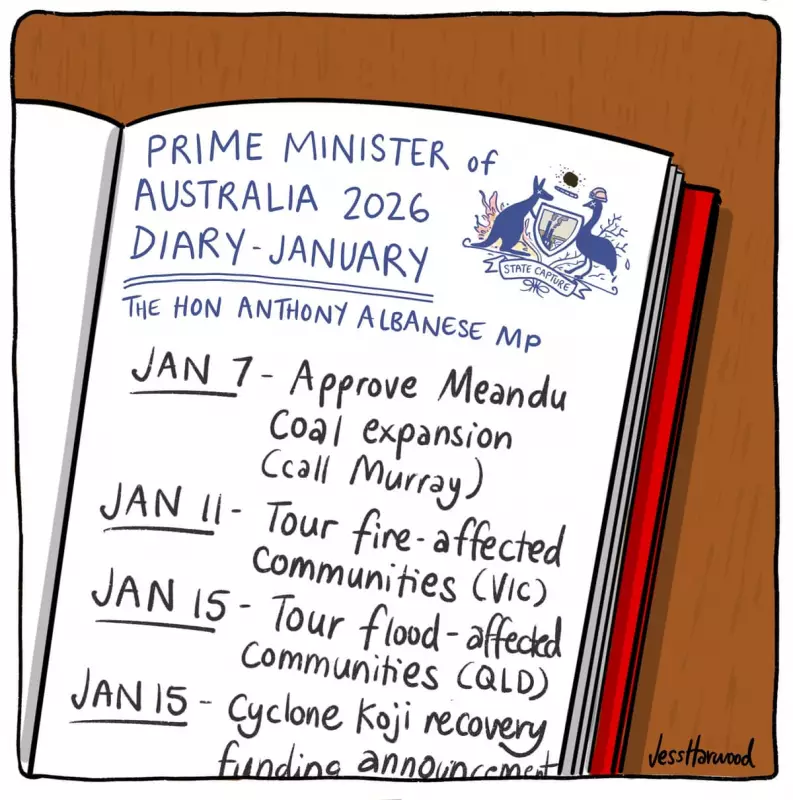
Prime Minister Anthony Albanese has navigated a remarkably active period on the environmental front in January 2026, spearheading a series of significant announcements and policy shifts. This concentrated burst of activity underscores the government's commitment to placing climate and conservation issues at the heart of its agenda.
A Flurry of Policy Announcements
The month has seen the Albanese government move decisively on multiple fronts. Key initiatives have been unveiled, targeting both national conservation efforts and the broader transition to a cleaner economy. The Prime Minister has been personally fronting these announcements, signalling their importance to his administration's legacy.
While the exact details of each policy are complex, the overarching theme is one of accelerated action. The government appears to be leveraging the political capital and parliamentary position it holds in early 2026 to push through measures that have been in development. This strategic timing suggests a desire to embed these changes firmly within the national framework.

Focus on Implementation and Outcomes
Beyond the initial announcements, the emphasis from the Prime Minister's office has been on tangible implementation and measurable results. The flurry of activity is not merely for show but is designed to create a clear roadmap for departments and agencies to follow. The period has shifted focus from consultation to delivery, a critical phase for any major policy shift.
Observers note that this busy month represents a consolidation of earlier promises. The government is now in the phase of demonstrating how its ambitious environmental targets will be met in practice. This involves coordinating across state jurisdictions, engaging with industry stakeholders, and securing the necessary funding and legislative support.
Political and Environmental Repercussions
The political ramifications of this active month are significant. By taking ownership of the environmental portfolio in such a visible way, Prime Minister Albanese is clearly defining a core pillar of his government's identity. This move is calculated to draw a sharp contrast with political opponents and solidify support among voters for whom climate action is a primary concern.
On the ground, the expected consequences of these policies range from increased investment in renewable energy infrastructure to enhanced protections for critical natural habitats. The intent is to create a dual benefit: driving economic modernisation while safeguarding Australia's unique biodiversity. The success of this ambitious agenda will depend on sustained effort beyond this initial burst of activity.
In conclusion, January 2026 has proven to be a defining period for the Albanese government's environmental stance. The Prime Minister's packed schedule of launches and statements marks a concerted push to translate vision into action. The coming months will reveal the durability and effectiveness of this month's busy political groundwork.