New scientific research has uncovered a dramatic and alarming shift in the breeding patterns of Antarctic penguins, driven by rapidly warming temperatures. The study warns that this change is creating a dangerous competition for food that could push some iconic species towards extinction by the end of this century.
Record-Speed Shift in Penguin Life Cycles
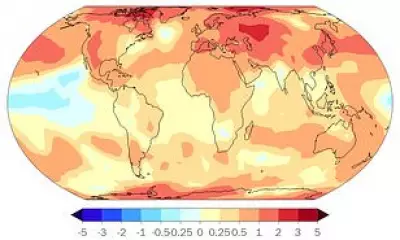
According to the study published in the Journal of Animal Ecology, three species of brush-tailed penguins have advanced their breeding season by approximately two weeks in just a decade. This shift, observed between 2012 and 2022, coincides with a temperature rise of 3 degrees Celsius (5.4°F) in their breeding grounds.
"Penguins are changing the time at which they’re breeding at a record speed, faster than any other vertebrate," stated lead author Dr Ignacio Juarez Martinez, a biologist at the University of Oxford. He emphasised that successful breeding must align with peak food availability to ensure chicks have enough to grow.

Co-author Dr Fiona Suttle, also from Oxford, provided stark context. Scientists documented a similar two-week shift in the life cycle of European great tits, but that change took 75 years to occur, compared to the mere 10 years observed in these Antarctic penguins.
Warming Creates Winners and Losers
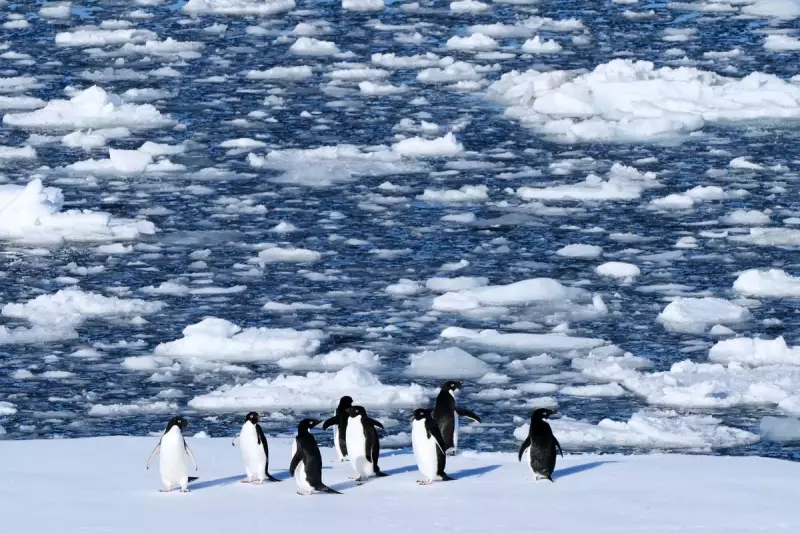
The research, which used remote cameras to monitor dozens of colonies from 2011 to 2021, focused on three species: the Adelie, the chinstrap, and the gentoo penguin. Dr Suttle explained that climate change is creating clear winners and losers among them.
The Adelie and chinstrap are dietary specialists, relying almost exclusively on krill. The gentoo, however, has a more varied diet. Previously, their breeding seasons were staggered, avoiding direct competition. Now, gentoos are shifting their breeding earlier faster than the others, causing significant overlap.
"Gentoos, which don’t migrate as far, are more aggressive in finding food and establishing nesting areas," explained Martinez and Suttle. Dr Suttle reported returning to colony sites in October and November, where Adelies once nested, only to find the areas taken over by gentoos.
Extinction Threat Looms for Specialists
The increased competition comes at a critical time and compounds other threats. The warming of the western Antarctic—the second-fastest heating region on Earth—means less sea ice. This leads to earlier plankton blooms, shifting the entire food chain's timing.
Furthermore, the changes have attracted more commercial fishing to the region earlier in the season, further depleting krill stocks vital for the specialist feeders.
"Chinstraps are declining globally. Models show they might get extinct before the end of the century at this rate," warned Dr Martinez. "Adelies are doing very poorly in the Antarctic Peninsula and it’s very likely that they go extinct from there before the century’s end."
Public Passion Powers Penguin Science
The vast study was made possible in part by public enthusiasm. Through the Penguin Watch website, volunteers annotated over 9 million images captured by 77 cameras over ten years.
"A lot of that does come down to the fact that people just love penguins so much," said Dr Suttle, noting their charming, tuxedo-like appearance. She added a particular fondness for the Adelie's "cheekiness" and its distinctive, cartoon-like eye.
Michelle LaRue, a professor of Antarctic marine science at the University of Canterbury in New Zealand (who was not involved in the study), called the breeding shift "an interesting signal of change." She stressed the importance of continued observation to understand the full impact on penguin populations.