Australia Braces for Unprecedented Heatwave and Extreme Fire Conditions
Australia is currently facing a severe and prolonged heatwave that threatens to shatter historical temperature records across multiple states. The Bureau of Meteorology has issued warnings for intense heat conditions expected to persist for several days, bringing with it catastrophic fire dangers that have emergency services on high alert.
Prolonged Extreme Heat Forecast Across South-East
Starting from Saturday, meteorologists have forecast a dome of intense heat pushing into south-east Australia, affecting South Australia, Victoria, New South Wales and southern Queensland. Some inland regions could experience more than five consecutive days with temperatures soaring above 40°C, creating challenging conditions for residents and emergency services alike.
Senior meteorologist Jonathan How emphasised that this heat would be "challenging for everyone" and urged people to stay cool while remaining vigilant about official heat and fire warnings. The situation is particularly concerning as fires continue to burn in parts of Victoria following an earlier January heatwave that climate analysts determined was made five times more likely due to global heating.

Catastrophic Fire Danger and Temperature Records Under Threat
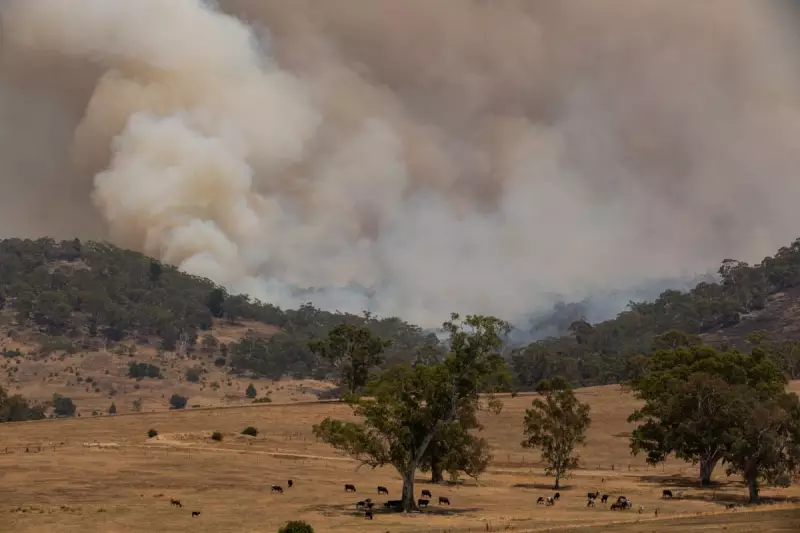
The heatwave brings with it high to extreme fire danger across several southern states, with catastrophic fire danger specifically forecast for South Australia's Yorke Peninsula on Saturday. While winds aren't expected to be as damaging as in previous events, the combination of extreme heat and dry conditions creates perfect conditions for rapid fire spread.
Temperature records are under serious threat across multiple regions:
- Victoria's Mallee region could see temperatures approaching 49°C on Tuesday, challenging the state's all-time record of 48.8°C set in Hopetoun in February 2009
- Mildura is expected to experience escalating temperatures from 43°C on Saturday to 48°C by Tuesday
- New South Wales faces heat spikes on Sunday and midweek, with Bourke forecast to reach 49°C on Wednesday, approaching the state's record of 50.1°C
- South-west Queensland's Thargomindah could hit 48°C on both Wednesday and Thursday
Major Cities and Events Affected
The heatwave is impacting major population centres and significant events across the country. Adelaide is forecast to reach 42°C on Saturday, coinciding with the Tour Down Under's most demanding stage at Willunga Hill. In Melbourne, where the Australian Open tennis tournament is underway, temperatures are expected to hit 40°C on Saturday with a secondary peak of 42°C on Tuesday, potentially affecting both players and spectators.
Meanwhile, Western Australia continues to face heat and fire warnings, with a tropical low developing into category two cyclone Luana as it approaches the Kimberley coast, adding another layer of complexity to the nation's weather challenges.
Climate Context and Long-Term Outlook
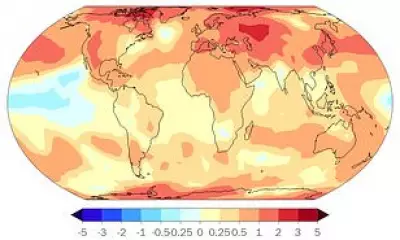
This extreme weather event occurs against the backdrop of Australia experiencing its fourth-warmest year on record in 2025, with national average temperatures rising by 1.23°C. Climate scientists have repeatedly warned that the climate crisis is increasing both the frequency and severity of extreme weather events, including prolonged heatwaves and intense bushfire seasons.
The Bureau of Meteorology's latest long-range forecast indicates that hotter than average days and nights are likely to continue until April for much of the country. Additionally, sea surface temperatures around Australia and globally are expected to remain warmer than average, contributing to the persistence of extreme weather patterns.
As emergency services prepare for the worst and residents take precautions against the extreme heat, this event serves as another stark reminder of Australia's vulnerability to climate-driven weather extremes and the urgent need for comprehensive adaptation strategies.