Chile's Unprecedented Wildfire Emergency: A Devastating Convergence of Factors
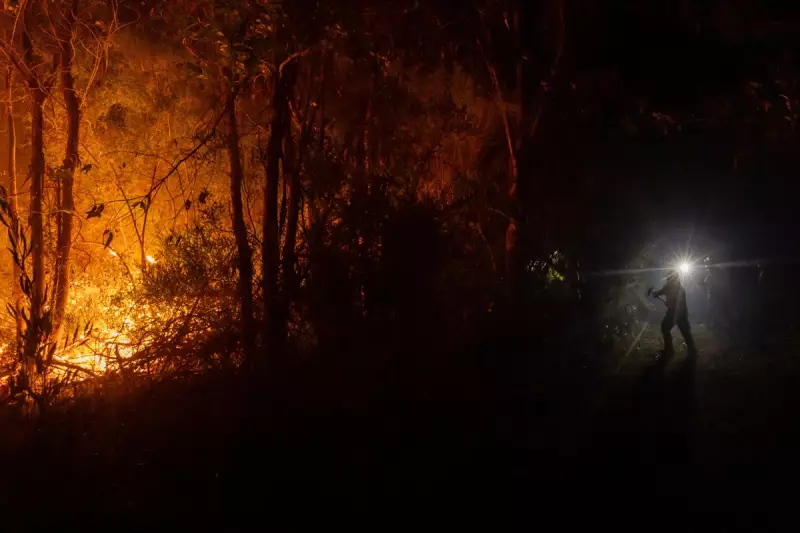
Chile is currently grappling with one of the most severe wildfire emergencies in its recent history, with blazes spreading at alarming speeds and burning with unprecedented intensity across central and southern regions. The situation has escalated into a national catastrophe, claiming lives, destroying communities, and forcing mass evacuations as firefighters battle relentlessly against the flames.
The Scale of Destruction: Beyond Normal Fire Seasons
The current wildfire season in Chile stands out not for an increased number of individual fires, but for the extraordinary amount of land being consumed by fewer ignitions. According to Miguel Castillo, director of the Forest Fire Engineering Laboratory at the University of Chile, the country is "almost tripling the amount of affected area" compared to typical seasons, despite fire numbers remaining within normal or even below-average margins. This pattern of fewer fires causing exponentially greater damage reflects a troubling global trend in extreme wildfire behaviour that presents immense challenges for emergency responders.
The Climate Recipe: Heat, Drought and Wind Combine
Multiple climatic factors have converged to create ideal conditions for rapid fire spread. Chile is emerging from more than a decade of severe drought that has left vegetation dangerously dry, while high summer temperatures and strong, erratic winds have further amplified the risk. Fire ecologist Mark Cochrane explains that "the hotter and drier things are, the more of the fuel becomes available to burn," with wind serving to oxygenate fires and transfer heat more efficiently across landscapes. This combination creates fires that combust fuel more quickly and with greater intensity than previously experienced.

Human-Altered Landscapes: Plantations and Fire Behaviour
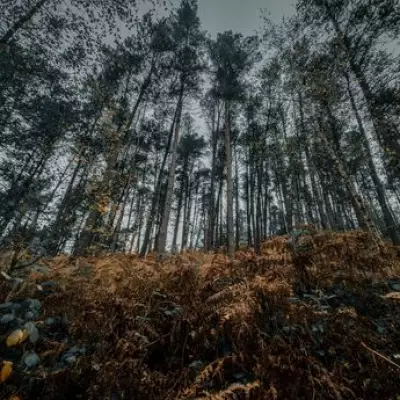
A significant factor in the current crisis involves Chile's extensive industrial pine and eucalyptus plantations, which dominate large areas of central and southern regions. These monoculture landscapes play a crucial role in how fires behave once ignited, with experts noting that plantations facilitate rapid fire spread through high fuel loads, continuous areas of similar-aged trees, and abundant dead vegetation. When not actively managed, these plantations can create vertical "ladders" that allow flames to climb into treetops, generating high-intensity crown fires that are exceptionally difficult to control.
Furthermore, pine and eucalyptus plantations are particularly flammable and tend to accumulate more fuel over time, with fires often sending burning embers far ahead of the main blaze. These wind-blown embers can ignite new fires behind containment lines, making suppression efforts extremely challenging, especially in Chile's steep terrain where strong winds are common.
The Human Element: Ignitions and Environmental Impact
Nearly all wildfires in Chile originate from human activity, whether intentional or through negligence, with experts noting that human-caused ignitions can extend the fire season beyond natural limits. The environmental impacts extend far beyond burned trees, with smoke degrading air quality and posing serious health risks to vulnerable populations, often affecting areas distant from the actual flames. Post-fire consequences include water-repellent soils that increase runoff, floods, and landslides, while sediment contamination can affect rivers and raise drinking water treatment costs.
Researchers warn that intense burns can permanently alter ecosystems, with invasive species like pine regenerating rapidly to replace native forests and potentially increasing future fire risks through ecological transformation.

Looking Forward: Prevention and Adaptation Strategies
While firefighting remains essential in the immediate crisis, experts emphasize that prevention and adaptation strategies will prove crucial for long-term resilience. Reducing ignitions, managing fuels more effectively, addressing climate change impacts, and redesigning communities with defensible space around homes represent concrete actions that could mitigate future fire problems. As climate projections suggest these extreme conditions will intensify, developing comprehensive approaches to wildfire management becomes increasingly urgent for Chile and other regions facing similar challenges.