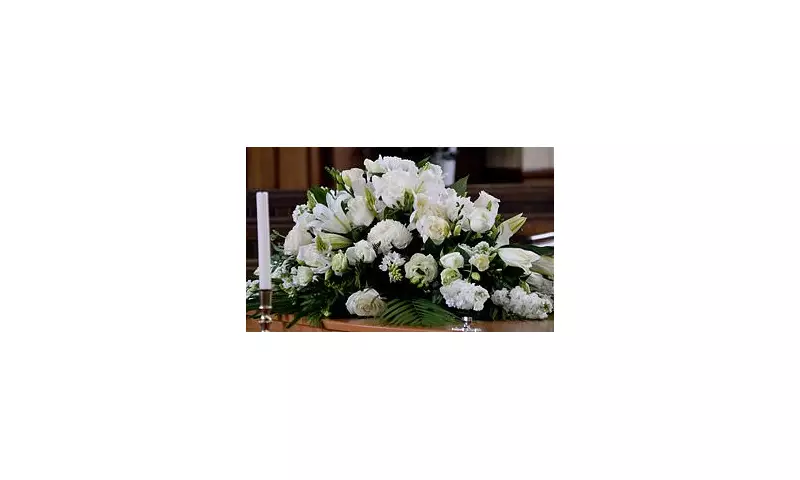
In a move that echoes the environmental fervour of a green-minded cleric, the Church of England is set to issue a divine decree for its parishes: 'Thou shalt not use foreign blooms in floral displays.' The church's ruling body, the General Synod, is poised to urge all parishes, chaplaincies, and cathedrals to abandon traditional floral arrangements and instead 'glorify God sustainably' amid growing concerns over its carbon footprint.
A Vote for Greener Worship
Next month, the General Synod will vote on whether to eliminate the use of floral foam – a material that keeps stems in place but carries significant environmental costs. This initiative aims to make church practices more environmentally friendly, reflecting a broader shift towards sustainability in religious observances.
Embracing Local and Seasonal Alternatives
Parish churches are expected to swap imported flowers for 'local, seasonal and fully biodegradable or compostable flowers and foliage.' This change not only reduces carbon emissions from transportation but also supports local ecosystems and reduces waste.

Priests will be encouraged to 'repurpose floral arrangements' from Sunday services for midweek gatherings or by donating them to care homes and hospitals. The General Synod motion calls on congregations to 'grow your own' and utilise 'branches, berries, and dried flowers' in place of 'fresh blooms,' while parishioners will be urged to donate flowers from their gardens.
The Environmental Cost of Traditional Floristry
In a paper ahead of the meeting in London next month, the Right Reverend Martin Gorick, Bishop of Dudley, highlighted the hidden impacts of traditional floristry. He stated, 'Floral arrangements bring beauty, symbolism, and a sense of reverence to sacred spaces. Yet, behind their elegance lies an often overlooked reality – traditional floristry can carry significant environmental costs.'
He elaborated that 'imported blooms, single-use plastics, chemical preservatives, and non-compostable floral foam all contribute to waste and carbon emissions.' Notably, he pointed out that a single block of floral foam 'contains the same amount of plastic as ten carrier bags,' underscoring the urgency of finding alternatives.
Innovative and Sustainable Substitutes
To replace floral foam, the Church suggests a range of eco-friendly alternatives, including scrunched-up chicken wire, twigs, pebbles, sand, moss, or glass marbles. These materials are not only biodegradable or reusable but also align with the church's commitment to reducing its environmental impact.
This initiative represents a significant step in the Church of England's efforts to integrate sustainability into its worship practices, encouraging a greener approach that honours both faith and the planet.