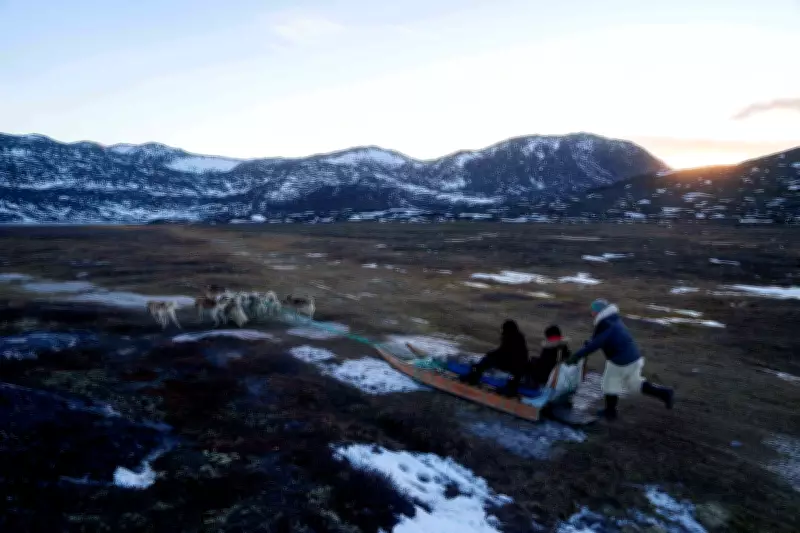
In northern Greenland, a thousand-year-old Inuit tradition of dog sledding is facing severe threats due to the accelerating impacts of climate change. The melting of ice and snow, driven by rising temperatures, is endangering this cultural practice that has been integral to the region's heritage for millennia.
Champion Adapts to Unprecedented Warming
Jørgen Kristensen, a five-time Greenlandic dog sled champion, has witnessed dramatic changes firsthand. He reports that Ilulissat, a key area in Greenland, now experiences above-freezing temperatures in January, a stark departure from historical norms. This shift has forced Kristensen to adapt his practices, such as collecting snow manually for his dogs to maintain their training and health.
Glacial Retreat and Sea Ice Loss
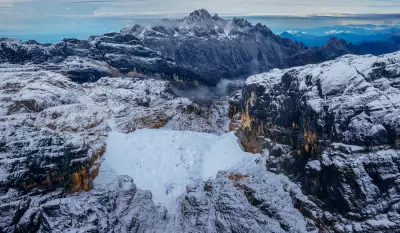
The rising temperatures are causing permafrost to melt and the Sermeq Kujalleq glacier to retreat rapidly. This glacier's melt significantly contributes to global sea level rise, posing broader environmental risks. Additionally, the disappearance of sea ice, which traditionally served as 'big bridges' for hunting and connecting Inuit communities, is making traditional activities more dangerous and isolating.

Arctic Warming and Political Interests
The Arctic is warming three to four times faster than the global average, with pollution exacerbating ice melt. Many Greenlanders speculate that this rapid change, which may reveal critical mineral deposits, influenced former U.S. President Donald Trump's interest in acquiring Greenland. While Trump's intentions have drawn attention, the primary threat remains the cultural and environmental upheaval caused by climate change.
As Greenland's dog sled traditions hang in the balance, the community faces a profound challenge to preserve its heritage amidst escalating global warming effects.