The Church of England's General Synod is poised to hold a crucial vote next month on a motion that would urge all its places of worship to implement a comprehensive ban on floral foam and other non-biodegradable products. This significant initiative aims to dramatically enhance environmental sustainability across the nation's Anglican churches, aligning worship practices with modern ecological principles.
A Push for Sustainable Floristry in Sacred Spaces
The proposed motion specifically targets the widespread use of floral foam, a common material in church flower arrangements that contains harmful microplastics and is neither recyclable nor biodegradable. This forms a central part of a broader, concerted effort to transform church operations into models of environmental stewardship.
Embracing Nature-Friendly Alternatives
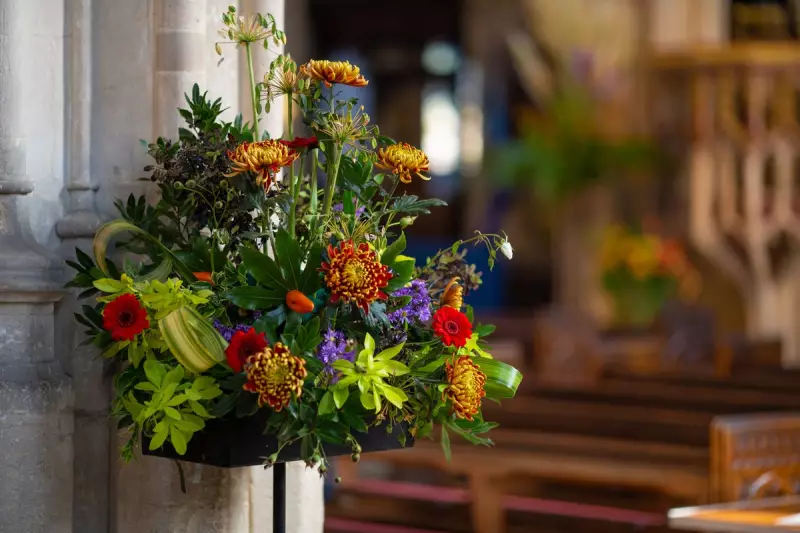
Instead of relying on unsustainable products, churches across England would be actively encouraged to adopt a suite of eco-friendly practices. These include cultivating and utilising blooms from their own gardens for displays, establishing robust composting systems for organic waste, and creatively repurposing Sunday service flowers for midweek gatherings or donating them to local care homes, hospices, and hospitals.

Parishioners themselves could be invited to contribute to this green transition by donating cut flowers from their personal gardens or pot plants from their homes. This approach is seen not only as a way to reduce floral costs but also as a powerful means to strengthen community bonds and foster a shared sense of environmental responsibility within congregations.
Bishop's Call to 'Work with Nature'
The Bishop of Dudley, the Right Reverend Martin Gorick, who tabled the motion, stated that a vote in favour by Synod members "will encourage all Church of England parishes, chaplaincies and cathedrals to join this growing ecumenical movement glorifying God through sustainable church flowers".
In a preparatory paper for the February Synod meeting in London, Bishop Gorick elaborated on the spiritual and environmental imperative. He wrote: “From adorning altars to celebrating weddings and marking seasonal festivals, floral arrangements bring beauty, symbolism, and a sense of reverence to sacred spaces. Yet, behind their elegance lies an often-overlooked reality: traditional floristry can carry significant environmental costs. Imported blooms, single-use plastics, chemical preservatives, and non-compostable floral foam all contribute to waste and carbon emissions.”
He urged Synod members to support a method of glorifying God that utilises "the gifts of creation in a way that works with nature, not against it".
The Motion's Core Principles
The formal motion calls upon the General Synod to vote to fully embrace the principles of the Sustainable Church Flowers movement. This commitment would be demonstrated through:
- The active promotion of local, seasonal, and fully biodegradable or compostable flowers and foliage.
- Encouraging the exclusive use of locally-sourced and in-season blooms to reduce transportation emissions.
- An immediate cessation in the use of floral foam "and all similar non-biodegradable and non-reusable products and techniques".
This vote represents a tangible step for the Church of England in integrating faith with contemporary environmental ethics, setting a potential precedent for other religious institutions to follow.