Amazon Hosts Critical Climate Summit as Global Consensus Shifts
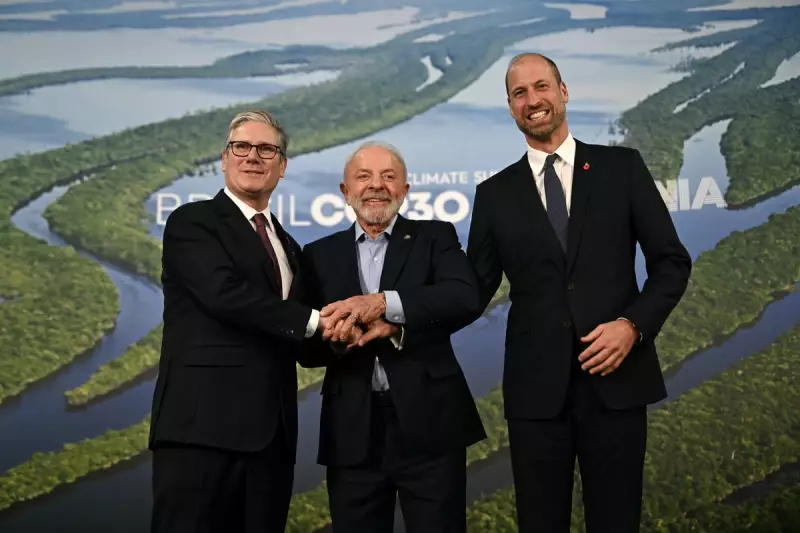
As your flight descends towards Belém, the host city for the Cop30 climate summit, the sheer scale of the Amazon rainforest becomes breathtakingly apparent. For nearly an hour, an unbroken canopy of vibrant green stretches to the horizon, punctuated only by the winding, chocolate-brown rivers below. This city of 1.3 million people emerges suddenly from the jungle, a symbolic 'gateway' chosen by Brazil's President Luiz Inácio Lula da Silva for this pivotal 'Cop in the Amazon.'
The location is deeply significant. Not only is it in the heart of the Earth's 'lungs,' but it was also in Brazil, at the 1992 Earth Summit in Rio de Janeiro, that the United Nations Framework Convention on Climate Change (UNFCCC) was born. Despite 33 years of global efforts, emissions have nearly doubled, and the post-Covid consensus on climate action is visibly fragmenting.
A Conference Under Construction and Under Pressure
Upon arrival at the Cop30 conference centre, which was hosting the world leaders' summit ahead of the main negotiations, there was an initial sense of a scramble to be ready. The vast, tented structure was still a construction site, with the scent of sawdust heavy in the air and the sound of drills echoing through the halls. Gloomy, half-lit corridors and malfunctioning bathroom taps hinted at the logistical challenges faced by the Brazilian hosts in this regional city.
Reports had circulated that a lack of hotel rooms was preventing delegates from poorer nations from attending. However, once the speeches began, the sense of disarray was replaced by one of profound purpose. In a powerful display of global solidarity, representatives from 154 countries, including major emitters like India and China, gathered to affirm their commitment to tackling the climate crisis, collectively choosing to ignore the loud cries of a climate 'con job' from an absent Donald Trump.
World Leaders Deliver Stern Warnings and Bold Commitments
One by one, leaders took to the podium, united in their concern despite differing political persuasions. Brazilian President Lula set a grave tone in his keynote address, declaring, 'Cop30 will be the Cop of truth.' He urged the world to take science seriously and maintain the 1.5°C global warming limit as a 'red line for humanity.'
UN Secretary-General Antonio Guterres echoed this urgency, warning that even a temporary overshoot of this limit would have 'dramatic consequences' and calling for a 'paradigm shift.' European Commission President Ursula von der Leyen struck a more bullish note, highlighting the EU's goal to cut emissions by 90% by 2040 and its provision of over €34 billion in climate aid in 2024.
The resolve crossed ideological lines. Italy's deputy prime minister, Antonio Tajani, who shares a similar political background to Trump, insisted 'our commitment is concrete.' Indonesia, rumoured to be considering leaving the Paris Agreement, reaffirmed its dedication and highlighted a 75% reduction in deforestation since 2019.
For nations on the frontline, the rhetoric was even more desperate. Lesotho's deputy prime minister, Nthomeng Majara, described how climate impacts 'reshape our lives,' while Antigua and Barbuda's Prime Minister Gaston Browne stated starkly, 'We have no way to run, no way to hide.'
UK's Stance: Commitment Praised, Funding Decision Criticised
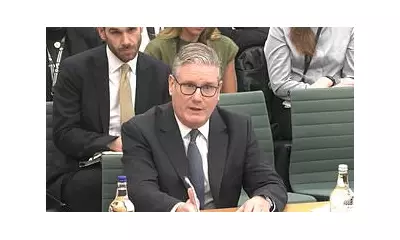
UK Prime Minister Keir Starmer adopted a characteristically measured tone, acknowledging that the 'consensus is gone' on climate change in UK politics but promising that the 'UK is doubling down on the fight.' This commitment aligns with British public sentiment; a new poll from ActionAid found over 70% of Britons fear the climate crisis will significantly impact children's futures, and 62% worry the government is not doing enough.
However, upbeat language was met with disappointment in action. While experts praised Starmer's climate pledges, there was significant criticism that the UK declined to contribute to President Lula's flagship Tropical Forest Forever Facility (TFFF). This fund is designed to provide annual payments to tropical nations for forest conservation.
Cross-bench peer Zac Goldsmith lamented the decision, calling it 'tragic' and accusing the government of having 'no interest in the real natural environment.' Brazilian representatives were reportedly deeply disappointed. In a saving grace, Norway pledged a substantial $3 billion to the TFFF, demonstrating that after three decades, the UN climate process can still deliver meaningful action, offering a glimmer of hope against the backdrop of scepticism.