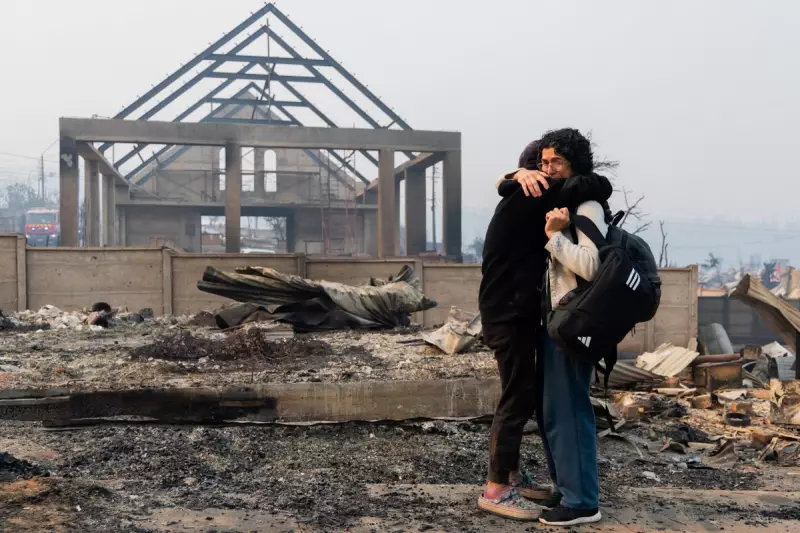
A devastating series of wildfires has torn through central and southern Chile, leaving a trail of destruction, at least 19 people dead, and approximately 1,500 homeless. The blazes, which ignited on Sunday, have been fuelled by a severe summer heatwave and are considered among the deadliest in the country's recent history.
State of Catastrophe Declared Amid Raging Blazes
In response to the escalating crisis, Chilean President Gabriel Boric has declared a state of catastrophe in the central Biobio and neighbouring Nuble regions. This emergency measure is designed to streamline coordination with the military and accelerate the deployment of resources to the hardest-hit areas. The declaration underscores the severity of a situation that officials warn is far from over.
Heatwave Fuels Unprecedented Fire Spread
The fires erupted on Sunday, 19 January 2026, and have since consumed thousands of acres of land. A punishing summer heatwave with unusually high temperatures has created tinderbox conditions, allowing the flames to spread rapidly. By Monday, five major wildfires remained actively burning, with emergency services battling to contain them. Authorities have issued stark warnings that adverse weather conditions could lead to reignition and further spread.

A Tragic Echo of Recent History
This tragic event is a grim reminder of Chile's vulnerability to such disasters. The current outbreak is viewed as one of the most lethal in recent years, following even more massive fires in 2024 that claimed at least 130 lives. Aerial footage from the affected regions has revealed the vast, charred landscapes left in the wake of the flames, highlighting the scale of the challenge facing recovery efforts.
The focus for Chilean authorities remains on containing the active fires, protecting communities, and providing urgent support to the hundreds of families who have lost their homes and loved ones.