Chile's Lirquén Begins Monumental Rebuilding After Deadly Wildfires
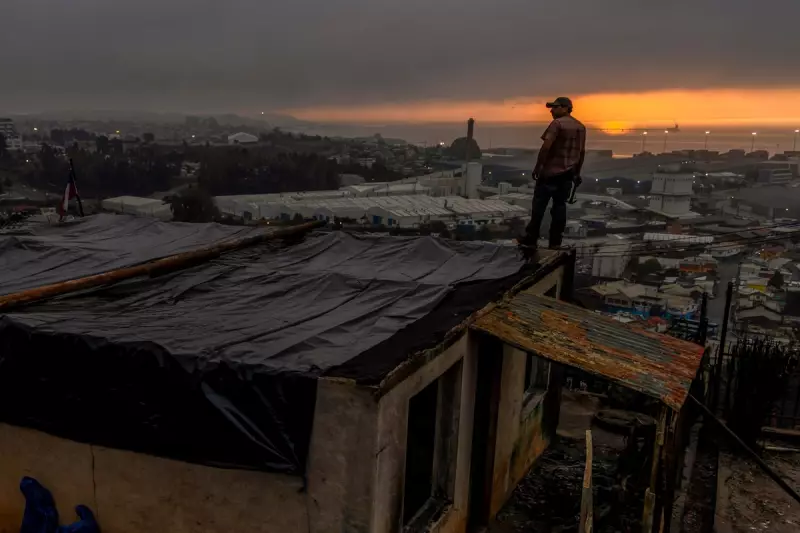
The thick, acrid smoke that continues to hang over the small fishing town of Lirquén serves as a stark and constant reminder of the devastation that has recently unfolded. Chile is grappling with one of the worst wildfire tragedies in its recent history, with blazes across central and southern regions consuming over 450 square kilometres (170 square miles) of land. The human cost is profound, with at least 20 confirmed fatalities, approximately 300 injuries, tens of thousands evacuated, and an incalculable trail of destruction left in the fire's wake.
Ground Zero: The Inferno in Lirquén
For the community of Lirquén, the impact has been particularly catastrophic. Acting as ground zero for the inferno, the town saw an astonishing 80% of its land engulfed by flames. It is here that the fires hit with their greatest ferocity, accounting for 17 of the 20 recorded deaths so far. Residents like Pamela Crisostomo, who presides over a local neighbourhood association, describe escaping with only the clothes on their backs, watching a lifetime of work vanish in mere seconds. "This was hell," she told The Associated Press, encapsulating the trauma shared by many.
Now, with the larger blames under control but smaller fires still smouldering on the dry, blackened hills, the town of roughly 20,000 inhabitants faces the daunting task of rebuilding. "The most difficult part starts now... how are we going to rebuild our homes?" Crisostomo wondered aloud, voicing the central question for countless displaced families.

A Nation Mobilises: Solidarity in the Streets
In the face of this tragedy, a powerful wave of solidarity has emerged to support the recovery effort. The streets of Lirquén are now packed with trucks delivering aid, tents serving as temporary shelters, and mobile medical clinics. Hundreds of volunteers from across Chile and international organisations have descended upon the town to assist.
Their work is varied and vital:
- Cooking and distributing thousands of hot meals daily.
- Assisting with the dangerous work of debris removal under sweltering conditions.
- Providing basic healthcare and psychological support to the injured and traumatised.
Organisations like the global humanitarian group ADRA and the U.S.-based World Central Kitchen are at the forefront. "Today our menu is rice with fish croquettes. Here we prepare everything hot and then it will be distributed," said ADRA volunteer Paulina Bermúdez. World Central Kitchen's response director, Juan Camilo Jiménez, noted they are already delivering over 6,000 meals daily and collaborating with local businesses to stimulate the crippled economy, praising the "incredible energy and resilience" of the Chilean people.
Challenges and Criticisms Amidst the Recovery
Despite this grassroots mobilisation, significant challenges and criticisms persist. Many locals have denounced what they perceive as a slow and inadequate governmental response. Crisostomo pointed out that municipal aid to her district had been minimal, limited to just six mattresses and six milling machines. Meanwhile, the scale of the disaster continues to demand more.
Nurse Mauricio Morales, volunteering in a mobile clinic, reported treating nearly 30 people in a single day for severe cuts, eye injuries, and other health issues related to the cleanup. Other teams have established mobile veterinary units to care for pets and animals injured in the blazes. As conditions slowly improve, police have also begun grim search operations in Lirquén, having already discovered "bone fragments" in the rubble, though it remains unclear if they are human remains.
A Wider Crisis: Fires Continue to Rage
The disaster is far from contained to Lirquén. Across central and southern Chile, the crisis continues to evolve. Approximately twenty large fires remain active, threatening dozens of other small towns. In Florida, located about 50 kilometres east of Lirquén, the deadly Trinitarias fire forced new evacuations, creating long lines of traffic as police restricted access to the most affected areas, where infrastructure like traffic lights and mobile networks had failed.

Firefighters warn the situation could persist for several days, hindered by a dangerous combination of strong winds, severe drought, and high temperatures that risk reigniting contained blazes. The regional toll is staggering: since Sunday, more than 750 homes have been completely destroyed, and around 500 people remain in shelters. Student María Paz, who escaped with her family as their vehicle burned, summarised the loss felt by many: "We lost everything."
As Lirquén and its neighbouring communities take their first tentative steps towards recovery, they do so leaning on national solidarity and their own formidable resilience, while facing a reconstruction effort of monumental scale and complexity.