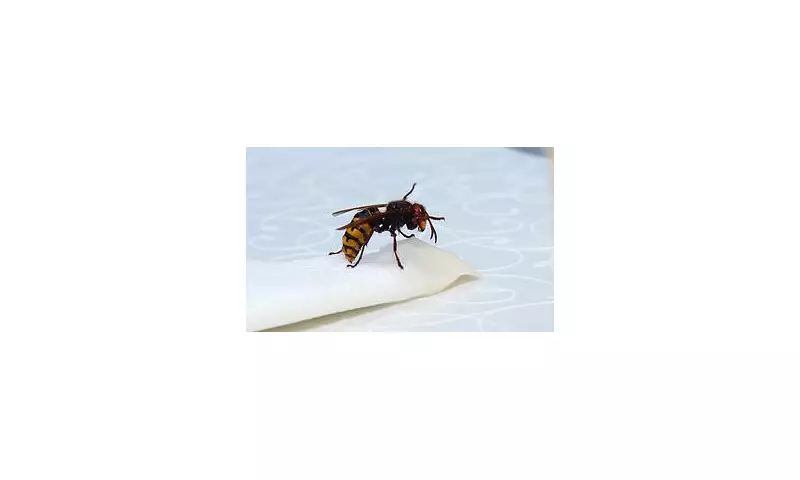
Autumn's Unwanted Guests: The Unprecedented Wasp Surge
Autumn in Britain typically brings thoughts of crisp golden leaves and hibernating wildlife, but this year there's a persistent buzzing interruption. Unusually mild temperatures across the UK have created perfect conditions for wasps, delaying their traditional seasonal disappearance and creating what experts are calling an extraordinary surge in numbers.
Pest Control Services Overwhelmed
Craig Morris, a pest and wildlife management specialist operating in Hampshire, has seen his autumnal wasp workload double compared to just three years ago. He currently handles five or six wasp call-outs weekly, dealing with nests that would normally be empty by this time of year. "This year has been a very busy year for wasps because the weather has been so mild," Morris told The Mail on Sunday. "This summer was my busiest period in 17 years."
Weather Patterns Driving the Wasp Boom
The phenomenon is directly linked to Britain's record-breaking weather patterns. Following the warmest and sunniest recorded spring, this summer was also the hottest on record according to the Met Office. These conditions created a "wasp boom" with both the size and number of colonies increasing significantly compared to previous years.
"These warmer winters mean the queens are surviving in larger numbers than usual," Morris explained. "And because we are not having the frosts we used to have in late autumn, more wasps are surviving. I expect I'll be dealing with nests right into December."
The contrast with last year is striking - a very wet spring in 2022 destroyed many nests, while the favourable conditions this year allowed wasps to establish colonies early and thrive throughout the summer months.
Ecological Impact and Future Projections
While the increased wasp presence causes annoyance for people trying to enjoy autumn activities, these insects play a crucial role in Britain's ecosystem. Wasps act as natural pest control by preying on insects like caterpillars and aphids that damage crops, and they also serve as pollinators.
The current situation has longer-term implications. Queens, which are often mistaken for hornets due to their size, typically fly away from nests to hibernate in September. The surge in queens surviving this winter is expected to result in even more nests and higher wasp numbers next year, potentially creating a cycle of increasing populations if mild weather patterns continue.
Pest control experts across the country anticipate call-outs to deal with nests will continue into December, a remarkable extension of what is normally a summer-specific problem, directly challenging our traditional expectations of autumn wildlife behaviour.