Albanese Government Approves Queensland Coal Mine Expansion
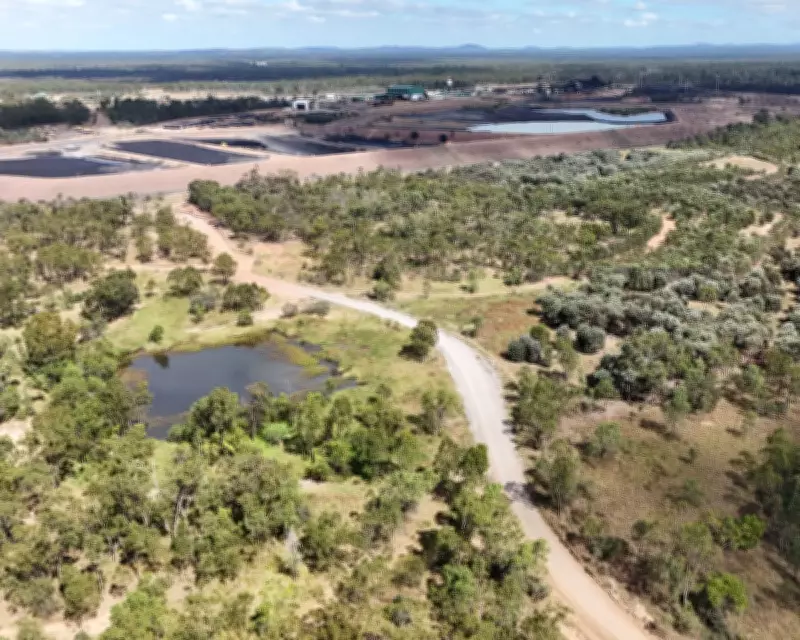
The Albanese government has given the green light to a significant expansion of a coal mine in Queensland, a decision that has sparked immediate controversy and concern among environmental scientists. The approval, announced recently, will allow the mine to increase its operations, leading to the clearance of vital natural habitat and contributing to the ongoing climate crisis, according to experts in the field.
Environmental Impact and Scientific Warnings
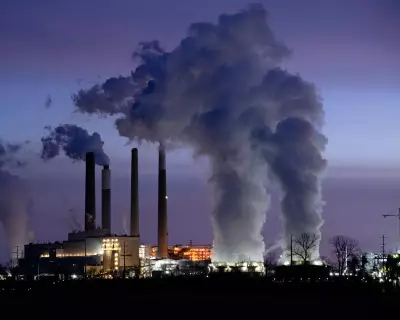
Scientists have raised alarms about the environmental consequences of this expansion. The project is set to clear extensive areas of habitat, threatening local wildlife and ecosystems. Moreover, the increased coal extraction and subsequent burning are expected to release substantial amounts of greenhouse gases, exacerbating global warming and climate change. Researchers emphasize that this move contradicts international efforts to reduce carbon emissions and transition to renewable energy sources.
Government Justification and Public Reaction
The government has defended its decision, citing economic benefits such as job creation and energy security. However, environmental groups and local communities have expressed strong opposition, arguing that the long-term costs to the environment and public health outweigh any short-term gains. Protests and calls for a review of the approval are gaining momentum, with activists urging a shift towards sustainable energy policies.

Broader Implications for Climate Policy
This approval highlights ongoing tensions between economic development and environmental protection in Australia. It raises questions about the government's commitment to its climate targets and the Paris Agreement. As the world grapples with the climate crisis, decisions like this could have far-reaching impacts on Australia's reputation and its ability to meet global environmental standards.
In summary, the Queensland coal mine expansion approved by the Albanese government represents a contentious step that scientists warn will harm habitats and fuel the climate crisis, sparking debate over the nation's energy future.