I consider myself among the most environmentally conscious individuals in my circle. My commitment to protecting our planet began during my biology studies, where the overwhelming evidence for human-induced climate change became impossible to ignore. For years, I have wholeheartedly embraced a green lifestyle, driving an electric vehicle, practising zealous recycling, and adopting water-saving habits like turning off taps while brushing teeth.
The Sisyphean Struggle of Sustainable Living
Yet, as Kermit the Frog famously lamented, it isn't easy being green. Managing household recycling often feels like a relentless, uphill battle. Just when we think we've conquered the mountain of cardboard packaging and sorted Tetra Paks, another wave arrives, filling rooms and demanding weekend trips to supermarket recycling bins or queues at the local tip.
A Costly Lesson in Solar Panel Installation
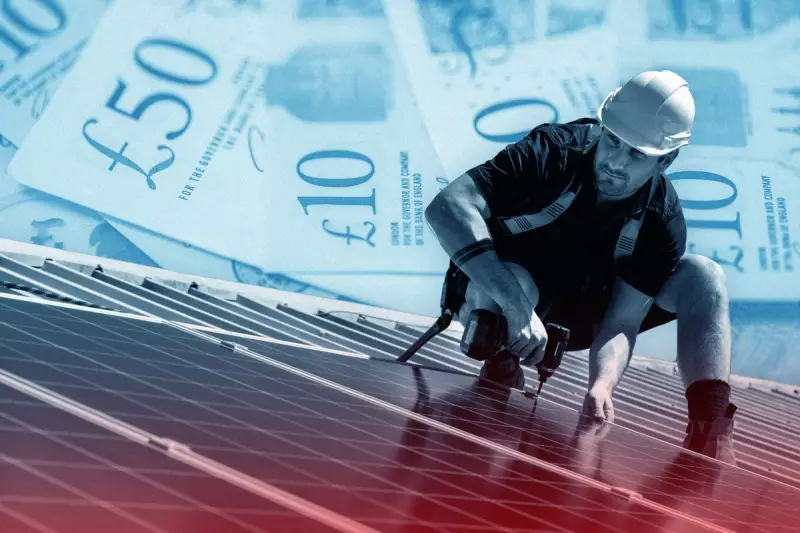
However, these minor irritations pale in comparison to the ordeal we faced after installing solar panels on our roof. Motivated by pure idealism, we understood the long-term financial return would take years, though we welcomed the noticeable reduction in our energy bills, particularly during sun-drenched summer months.

We participated in a London Mayor-backed group-purchase scheme designed to make solar panels more affordable for consumers. This decision soon became a source of deep regret. The contracted company, which later entered liquidation, proved utterly incapable of managing its workload. Their customer service echoed the notorious inefficiency of Soviet-era retail, with unanswered calls and ignored emails becoming the norm.
On the rare occasions we reached someone, we were met with vague promises and excuses for delays, despite having paid thousands for the service. A typical 3-4kW solar panel system in the UK costs between £5,000 and £8,000, making this failure particularly galling.
When workmen finally arrived, they performed adequately. Amid the ongoing cost of living crisis, I remain glad we have the panels, but with a crucial caveat: prospective buyers should invest in protective netting. Pigeons find solar panels irresistible, offering year-round shelter for these prolific breeders. Without netting, a power washer becomes an essential purchase.
The Impending Electric Vehicle 'Poll Tax'
My electric vehicle, which I adore for its smooth, space-cruiser-like drive, now faces a new threat. Chancellor Rachel Reeves' proposed per-mile tax, set to launch in September, feels like a punitive measure targeting EV owners. While I understand the government's need to replace dwindling fuel duty revenues, the planned 3p-per-mile charge will disproportionately burden high-mileage drivers.
The administration of this tax appears destined to become a bureaucratic nightmare. The system requires drivers to estimate their annual mileage and pay in advance, with overestimations leading to refunds and underestimations resulting in additional charges. This flawed approach lacks the common sense desperately needed in policymaking.
This policy seems crafted by individuals detached from everyday realities, for whom dealing with state bureaucracy is a delegated task. Our political leaders often inhabit income brackets where such administrative burdens are handled by others—a luxury not afforded to the average taxpayer.
Undermining the Automotive Industry
Simultaneously, the government is imposing ruinous fines on car manufacturers failing to meet EV sales targets, while proposing a tax that will inevitably make electric vehicles less appealing to consumers. After destabilising the industry with poor post-Brexit policies, this new levy risks pushing manufacturers to withdraw from the UK market altogether.
Most people genuinely want to do the right thing for the planet, accepting the necessity of creating a liveable world for future generations. However, authorities must facilitate this transition, not hinder it with ill-conceived taxes and bureaucratic obstacles.
While figures like Ed Miliband passionately advocate for net zero, their approach often resembles a teenage crush—intense but lacking in practical realism. Pious statements, hectoring lectures, and taxes that feel designed by villains from Gremlins movies will not achieve public buy-in.

If a committed environmentalist like myself is growing thoroughly disillusioned, it signals a profound problem in our national approach to sustainability. The path to a greener future requires policies that support, rather than punish, those trying to make a difference.