
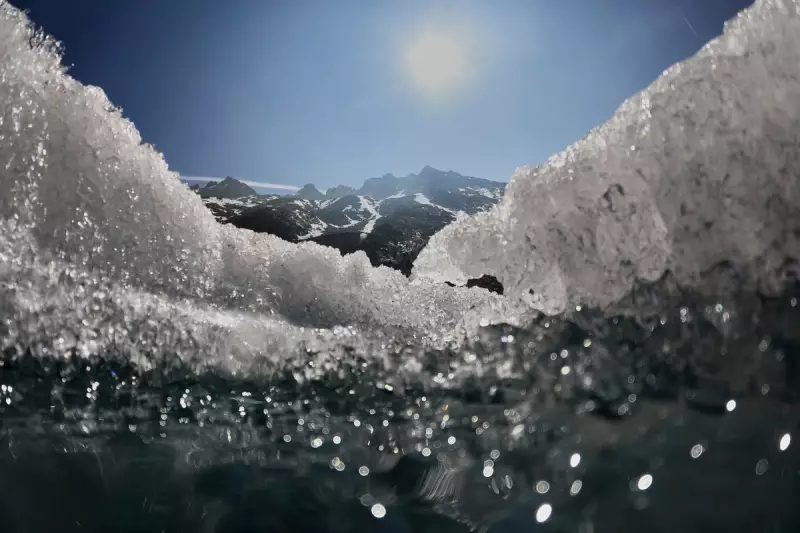
In a devastating environmental revelation, Switzerland's majestic glaciers have suffered catastrophic losses, shrinking by 10% of their total volume over just two painful years according to the Swiss Academy of Sciences.
Unprecedented Melting Rate
The alarming data reveals that 2022 proved particularly destructive, marking the worst year for glacier melt since comprehensive records began. The following year, 2023, brought little relief despite slightly less dramatic losses, continuing the worrying trend that has climate scientists deeply concerned.
Small Glaciers Vanishing Completely
Perhaps most disturbingly, researchers confirmed that many smaller glaciers have effectively disappeared from the Swiss landscape. The Basòdino glacier, straddling the border between Ticino and Valais cantons, saw its volume reduced by a staggering two-thirds, losing approximately 300 metres in length.
Winter Snowfall Offers False Hope
While some regions experienced above-average winter snowfall, providing temporary protection to higher altitude glaciers, this proved insufficient to counteract the relentless melting during summer months. The combination of scarce winter snow and intense summer heat created what scientists describe as "perfect conditions for extreme melt."
Long-Term Consequences
The Swiss Commission for Cryosphere Observation delivered this sobering assessment, highlighting how these dramatic changes are transforming Switzerland's iconic Alpine landscape. The rapid glacier retreat represents not just an environmental crisis but threatens water security, tourism, and local ecosystems that depend on glacial systems.
A Warning for Europe
As Europe continues to experience increasingly extreme weather patterns, Switzerland's glacier crisis serves as a stark reminder of the urgent need for comprehensive climate action before more of these natural wonders vanish forever.