In a development that has resonated across the Atlantic, former US President Donald Trump's recent remarks about a winter storm have sparked renewed debate in the United Kingdom regarding the climate crisis and environmental policymaking. The comments, made during a public address, have drawn attention to the ongoing discourse surrounding climate change scepticism and its implications for global and domestic environmental strategies.
Trump's Controversial Statements on Winter Weather
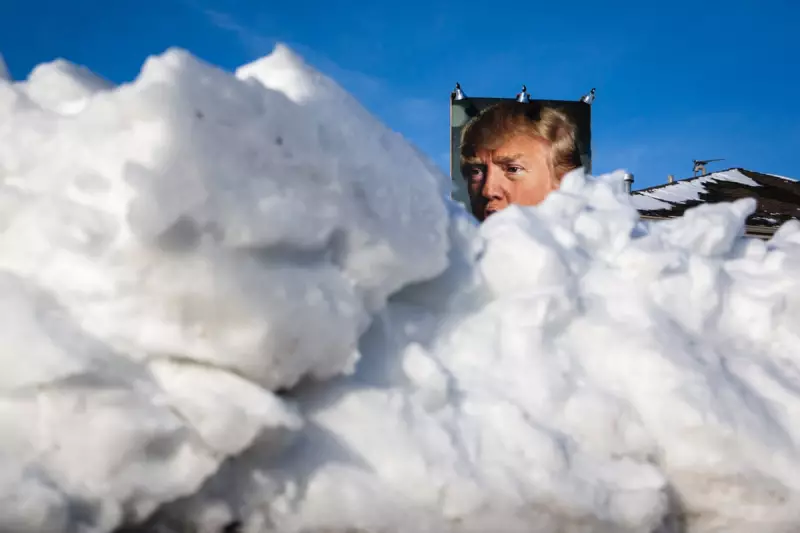
Donald Trump, known for his outspoken views on climate issues, reportedly used a recent winter storm event to question the validity of climate change science. He suggested that the occurrence of cold weather contradicts claims of global warming, a stance that has been widely criticised by climate scientists and environmental experts. This assertion has not only stirred controversy in the United States but has also prompted reactions from UK policymakers and environmental advocates who are closely monitoring international climate dialogues.
UK Reactions and Political Implications
In the UK, Trump's comments have been met with concern by many in the political and scientific communities. Figures from various political parties have emphasised the importance of evidence-based climate policy, highlighting the UK's commitments under international agreements such as the Paris Accord. The debate has underscored the challenges of addressing climate change in a polarised political landscape, where scepticism can influence public opinion and policy decisions.

Environmental groups in Britain have seized upon this moment to call for stronger action on climate change, arguing that misleading statements from high-profile figures can hinder progress. They point to the UK's own experiences with extreme weather events, including storms and floods, as evidence of the urgent need for robust climate mitigation and adaptation measures.
Scientific Consensus and Public Perception
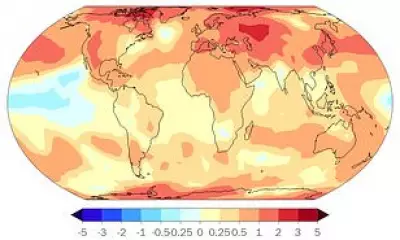
Climate scientists have been quick to counter Trump's claims, explaining that individual weather events, such as winter storms, do not negate the long-term trend of global warming. They stress that climate change involves complex patterns, including increased frequency and intensity of extreme weather, which can manifest as both heatwaves and severe cold snaps. In the UK, public awareness campaigns and educational initiatives aim to bridge the gap between scientific understanding and public perception, but events like this highlight the ongoing struggle to communicate climate science effectively.
Broader Context of Climate Policy in the UK
The incident comes at a time when the UK is navigating its own climate policy challenges, including debates over net-zero targets, renewable energy investments, and environmental regulations. Trump's remarks serve as a reminder of the global interconnectedness of climate issues and the impact of international rhetoric on domestic policy discussions. As the UK continues to pursue its environmental goals, the influence of external voices, whether supportive or sceptical, remains a significant factor in shaping public and political discourse.
Looking ahead, experts suggest that this episode may reinforce the need for clear, consistent messaging on climate change from leaders worldwide. In the UK, it could galvanise efforts to strengthen climate education and policy frameworks, ensuring that the nation remains resilient in the face of environmental challenges. The debate sparked by Trump's comments is likely to continue, influencing conversations in Westminster and beyond as the UK strives to balance economic, social, and environmental priorities in an era of climate uncertainty.