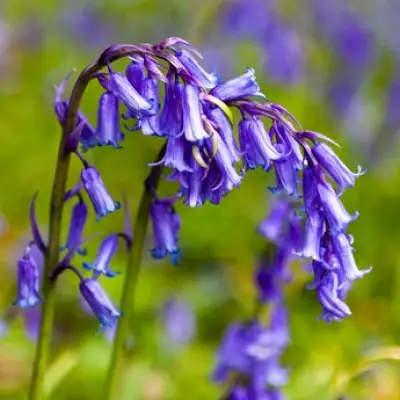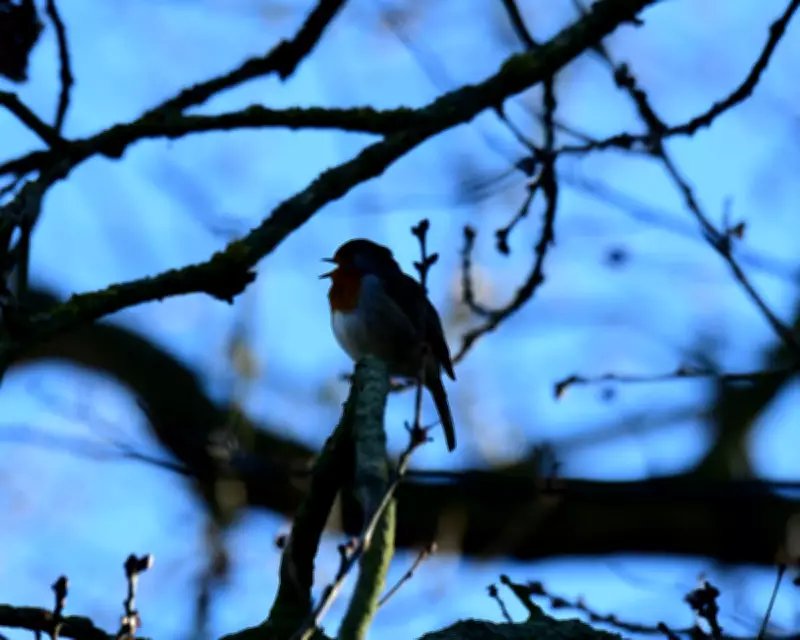
In the quiet dawn of Hogshaw, Derbyshire, a robin's song pierces the early morning air, a symbol of the rich natural tapestry that has reclaimed an old Buxton tip. This site, once scarred by past misuse, has transformed into a self-willed woodland dominated by willows and birch, bursting with flowers in summer and hosting an impressive list of 870 species, primarily insects. The diversity here is no accident; these pioneer trees are among the most invertebrate-friendly in the British Isles, creating a haven for wildlife.
The Symphony of Spring
Where insect abundance thrives, birdsong follows, as the music is fueled by invertebrate protein. Recently, a dawn-chorus walk organized in the area recorded 20 early spring vocalists, including song and mistle thrushes, dunnocks, wrens, bullfinches, and greenfinches. Many of these breeding birds are red- or amber-listed by the British Trust for Ornithology, highlighting their conservation importance.
However, the term "dawn chorus" might be slightly misleading, as noted by one participant, a badger monitor who observes that songs begin as early as 3.40am and peak around 4.30am, long before daylight. The concept of a "chorus" itself requires deeper exploration: birds sing to proclaim territories and attract mates, leading to competitive voices, yet there's a collective harmonizing at play.

A Natural Orchestra
In Bernie Krause's book, The Great Animal Orchestra, he explores how soundscapes reflect a shared harmony among organisms. Each bird occupies only part of the sonic frequency range, and over millennia, natural communities have learned to coexist on these airwaves. Hogshaw embodies this harmony in more ways than one, serving as a testament to nature's resilience and interconnectedness.
Council's Contradictory Notes
Despite this ecological harmony, the local High Peak borough council has introduced dissonant notes. While commendably declaring a nature emergency in Britain, the council has simultaneously refused to protect Hogshaw, instead placing it in a "land bank" for potential development. The site, largely council-owned, boasts unparalleled natural richness for the area, raising critical questions about the sincerity of emergency declarations without accompanying creative and remedial actions.
This situation underscores a broader tension between development pressures and conservation needs, as communities grapple with balancing progress with environmental stewardship. The fate of Hogshaw remains uncertain, but its story serves as a poignant reminder of the delicate balance required to preserve our natural heritage.