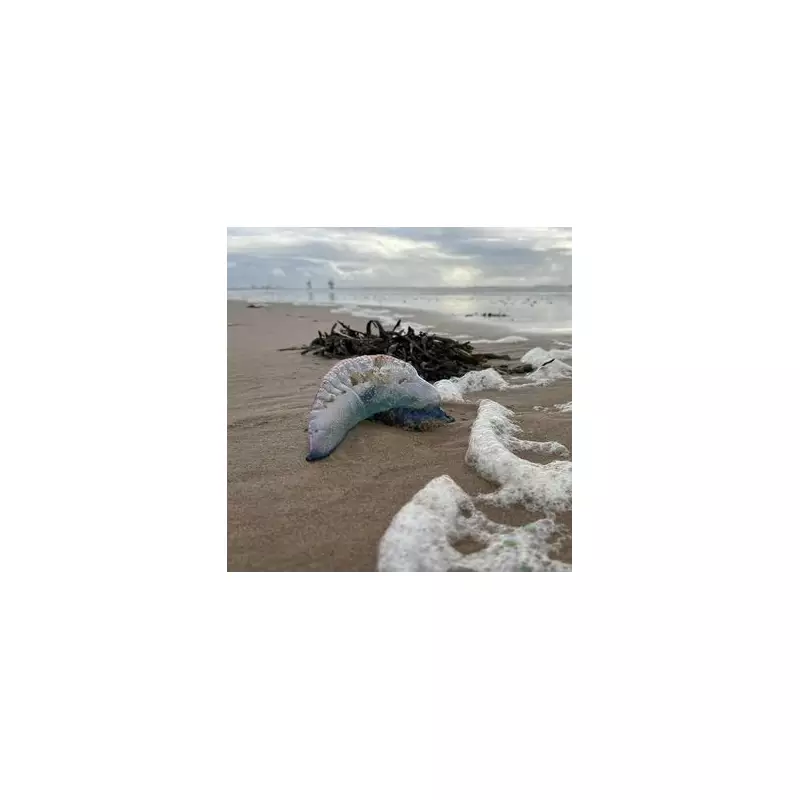
Beachgoers across the UK have been put on high alert after potentially lethal compass jellyfish were spotted at a popular coastal destination. The alarming discovery has triggered urgent safety warnings as the summer holiday season gets into full swing.
What Makes These Jellyfish So Dangerous?
The compass jellyfish, easily identified by its distinctive reddish-brown V-shaped markings resembling a compass, packs a powerful sting that can cause severe pain and, in rare cases, prove fatal to vulnerable individuals. Marine experts confirm these creatures are currently appearing in British coastal waters.
"Their sting can be extremely painful and potentially dangerous, particularly to children, elderly people, or those with underlying health conditions," warned a marine biology specialist. "Unlike some harmless species, compass jellyfish should be treated with extreme caution."

Immediate Safety Measures for Swimmers
- Avoid any contact with the jellyfish, whether in water or washed up on shore
- Wear protective swimwear if jellyfish sightings have been reported
- Keep a safe distance from tentacles, which can sting even when detached
- Monitor children closely and educate them about the dangers
What to Do If Stung
If contact occurs, medical professionals recommend rinsing the affected area with seawater (not fresh water) and carefully removing any tentacle fragments. Contrary to popular belief, urinating on the sting is not recommended and may worsen the situation. Seek medical attention immediately for severe reactions.
The Marine Conservation Society has reported increasing jellyfish sightings around UK coasts this season, attributing the phenomenon to changing sea temperatures and currents. Beach authorities are monitoring the situation closely and posting warnings where necessary.
As families flock to coastal areas during the summer holidays, this discovery serves as a crucial reminder that even familiar beaches can present unexpected hazards. Vigilance and awareness remain the best defence against these beautiful but potentially dangerous marine visitors.