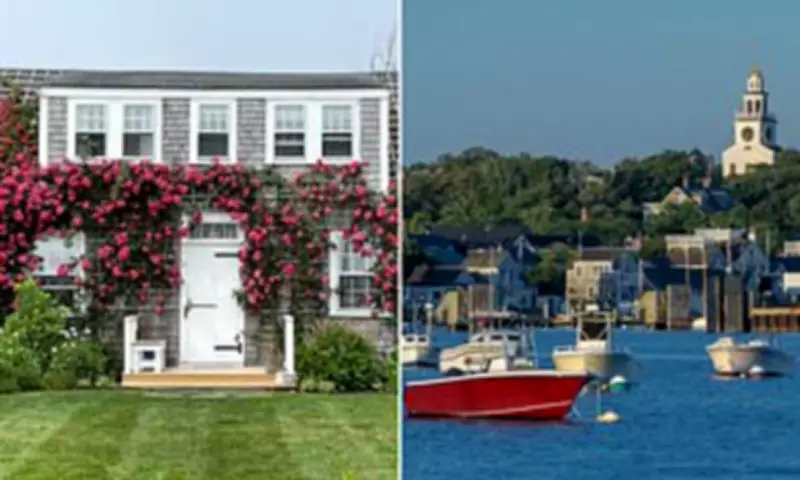
Nantucket Moves to Outlaw Artificial Turf Amid Health and Environmental Concerns
An exclusive Massachusetts island community is preparing to implement a comprehensive prohibition on one of America's most rapidly expanding landscaping trends, with local authorities highlighting significant apprehensions regarding toxic chemical exposure and ecological harm. Nantucket's Board of Health is anticipated to reach a definitive verdict this week on whether to enact a complete ban on synthetic grass across the entire island. This decisive action would affect not only public sports facilities but also the increasingly widespread adoption of artificial turf in private residential gardens and backyard spaces.
Multi-Million Dollar Stadium Project Sparks Wider Safety Debate
The regulatory push coincides with the local school district's pursuit of approximately $25 million in funding to renovate Vito Capizzo Stadium. This substantial proposal includes a dedicated allocation of $2 million specifically for installing an artificial turf field projected to have a functional lifespan of 10 to 12 years. This high-profile initiative has amplified broader community safety discussions. Presently, officials have been compelled to restrict usage frequency on the existing natural grass field to preserve its playable condition throughout the sporting season.
The proposed ban has ignited intense and polarized debate within this affluent coastal enclave, where average property values hover around $3 million and several residences have commanded prices as high as $15 million in the current year alone. Artificial turf, once primarily utilized in professional sports arenas, has experienced a dramatic surge in popularity among homeowners seeking low-maintenance, perpetually green lawns that require minimal upkeep.

PFAS 'Forever Chemicals' at the Heart of the Controversy
Central to the escalating controversy are per- and polyfluoroalkyl substances (PFAS), a class of synthetic chemicals associated with increased cancer risks and immune system disorders. These compounds are notoriously persistent, earning the moniker 'forever chemicals' due to their ability to accumulate in both human biological systems and natural environments. Alarming traces of these substances have already been identified in Nantucket's drinking water supplies, heightening resident anxieties that widespread synthetic turf installation could exacerbate existing contamination levels.
Critics emphasize that plastic grass may harbor concealed health dangers. The material can shed microplastics that may infiltrate groundwater systems or be inadvertently ingested by children during recreational activities. Furthermore, artificial turf exhibits a pronounced capacity to retain extreme heat during summer months, reaching temperatures substantially higher than natural grass and potentially creating burn hazards and heat-related illnesses for users.
Landscape design expert Adam Robinson conveyed to Martha Stewart Living that synthetic turf often appears 'flat and a little unnatural,' lacking the 'texture, variation, or life of real grass.' This aesthetic critique complements deeper environmental and health reservations.
Community Activism and Scientific Scrutiny Intensify
Ayesha Khan, a concerned Nantucket parent, co-founded the Nantucket PFAS Action Group following her firefighter husband's cancer diagnosis, which was linked to occupational exposure to these hazardous chemicals. 'The direction that the scientific evidence is moving just leads me to believe that it's not as safe as we're being told,' Khan informed the Boston Globe.
Despite these concerns, proponents maintain that artificial turf's benefits outweigh potential risks. For many coastal homeowners, synthetic grass represents a practical solution to avoid constant watering, frequent mowing, and muddy conditions, particularly in regions where sustaining natural lawns proves challenging. 'There's inherent risk in everything,' remarked Nantucket resident Graham Veysey to the Boston Globe. 'I have to place my trust in the premise that they're conducting thorough research.'

Local officials have asserted that any turf products deployed on the island would undergo rigorous testing protocols and would not intentionally contain added PFAS compounds, with established systems designed to prevent groundwater pollution. However, skeptical community members remain unconvinced. A technical report submitted to authorities detected trace PFAS levels in samples of the proposed turf system, a finding that critics argue fundamentally undermines safety assurances.
'Each additional installation exacerbates cumulative contamination,' Kyla Bennett of Public Employees for Environmental Responsibility told the Boston Globe. 'How can they legitimately claim these products are PFAS-free?'
Nantucket Joins Growing National Movement
Should the prohibition be enacted, Nantucket would align itself with a small but expanding cohort of municipalities actively resisting synthetic turf proliferation. This local action reflects a broader national reckoning regarding the pervasive presence of toxic chemicals in commonplace consumer products. Several Massachusetts towns have already instituted restrictions, while states including New York and Vermont have initiated legislative measures to limit PFAS concentrations in artificial turf materials.
The impending decision underscores a critical juncture for community health, environmental stewardship, and landscaping practices in one of New England's most prestigious coastal destinations.