AP Investigation Exposes Repeated Toxic Spills from Liberia's Largest Gold Miner
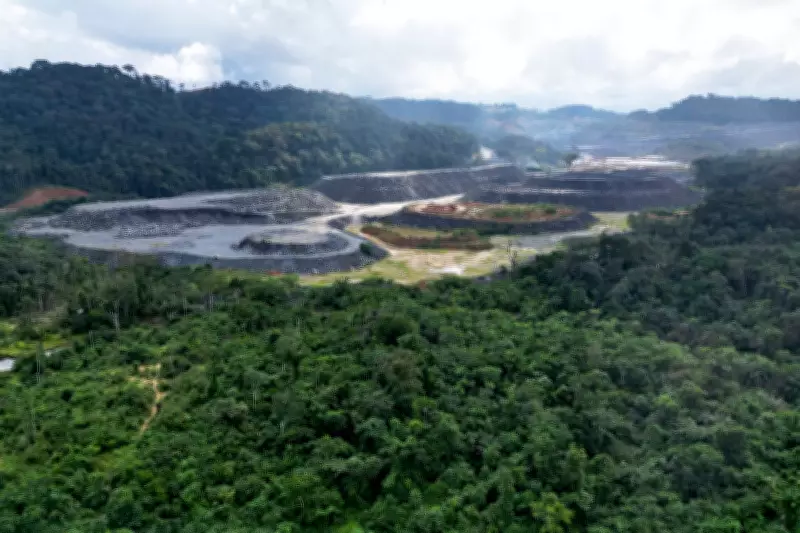
A major joint investigation conducted by The Associated Press and The Gecko Project has uncovered a disturbing pattern of environmental contamination linked to Liberia's premier gold mining operation. The probe reveals that over several recent years, the Bea Mountain Mining Corporation, the nation's largest gold producer, repeatedly allowed hazardous substances including cyanide, arsenic, and copper to leak from its facilities. These spills occurred at concentrations that Liberia's own environmental authorities confirmed exceeded the country's legal limits, raising serious questions about regulatory oversight and corporate accountability in a sector that contributes more than half of the nation's GDP.
Villagers' Frustration and Violent Protests
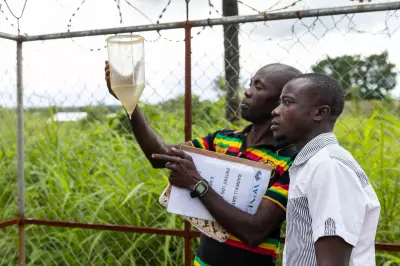
Local communities living near the mining operations have borne the brunt of this environmental negligence. Villagers expressed profound frustration to investigators, reporting the grim sight of dead fish floating in their rivers and a perceived lack of meaningful response to their formal complaints. This discontent was compounded by other grievances attributed to the company's activities, such as homes allegedly cracked by the concussions from mining explosives and raids on farms by elephants displaced by the blasting.
In 2024, this simmering anger erupted into public protests in the villages of Gogoima and Kinjor. Residents assert that the police response was brutally excessive, involving beatings, tear gas, and resulting in three fatalities. The Liberia National Police spokesperson, Cecelia Clarke, has publicly dismissed these allegations of excessive force as "false and misleading."

Billions in Gold, Pennies for Communities
The economic scale of the operation is vast. Between July 2021 and December 2022 alone, Bea Mountain exported over $576 million worth of gold from Liberia, contributing approximately $37.8 million to government revenues. However, the benefits trickling down to the affected local communities are minuscule in comparison. Over the same 18-month period, the company allocated a mere $2 million—just 0.35% of its export revenues—to environmental and social programs for these communities. The Liberian government itself holds only a 5% stake in the mining operations, highlighting a significant imbalance in profit distribution.
A Pattern of Sustained Negligence and Spills
The investigation, which reviewed retrieved reports from Liberia's Environmental Protection Agency (EPA) and conducted interviews with officials and former employees, documents a troubling history of substandard facilities and repeated toxic spills. The first of four EPA-documented incidents occurred in 2016, during the largest mine's inaugural month of full production, with the most recent spill recorded in 2023.
EPA reports further indicate that Bea Mountain failed to promptly alert regulators after a 2022 spill and had previously obstructed government inspectors from accessing its laboratory and test results. Mandy Olsgard, a Canadian toxicologist who reviewed the EPA findings, concluded that these incidents point to corporate responsibility failures that "can only be described as sustained negligence." Compounding this, Bea Mountain withdrew from the international Cyanide Management Code, a global standard that sets pollution limits and mandates independent audits.
Systemic Lack of Accountability and Enforcement
The regulatory response to these violations appears weak. Despite EPA inspectors repeatedly recommending fines following spills, only one penalty was ever issued: a $99,999 fine in 2018 that was later reduced to $25,000. The reasons for this reduction remain unclear. In one 2022 incident that the company failed to report within the mandated 72-hour window, downstream villagers reported scooping up dead fish, initially mistaking them for a "gift from God." Some later fell ill, but no medical tests were conducted to confirm a link to the chemical spill.

In a written statement, the EPA noted that the documented spills predated its current leadership, which took office in 2024. The agency stated it had ordered Bea Mountain to hire an EPA-certified consultant and reinforce its tailings dam—a critical storage site for mining waste—and claimed these measures were implemented, though it did not specify when.
Global Supply Chains and Corporate Responses
The gold mined by Bea Mountain enters global markets via Swiss refiner MKS PAMP, which supplies metals found in the supply chains of major technology firms like Nvidia and Apple. In response to the investigation, MKS PAMP stated it commissioned an independent assessment of Bea Mountain's largest mine in early 2025. The refiner claimed the assessment found no grounds to sever ties but identified health and safety areas for improvement, with a follow-up visit planned for 2026. MKS PAMP declined to share the full findings, citing confidentiality, but warned it would end the relationship if Bea Mountain does not demonstrate improvement.
The company is controlled by Murathan Günal through Avesoro Resources, linked to Turkish billionaire Mehmet Nazif Günal's Mapa Group. Neither Avesoro Resources nor the Mapa Group responded to requests for comment. Meanwhile, Bea Mountain continues to explore new gold reserves elsewhere in Liberia.
Liberia's recently dismissed Minister of Mines, Wilmot Paye, stated he was "appalled by the harm being done to our country" and confirmed the government is reviewing all mining concession agreements. The outspoken minister was dismissed from his post in October 2025.
This story was reported in collaboration with The Gecko Project, a nonprofit newsroom focused on environmental issues, with support from the Pulitzer Center. The Associated Press is solely responsible for all content.