The Rise of Axolotls as Global Icons
Axolotls, with their otherworldly appearance and perpetual smiles, have surged from obscurity to become beloved figures in popular culture. These unique salamanders, native to the canals of Lake Xochimilco in Mexico, possess a charm that has transcended borders, captivating hearts worldwide. Their journey from niche curiosity to mainstream phenomenon highlights a fascinating intersection of biology, commerce, and human emotion.
From Pokémon to Pop Culture: The Axolotl's Meteoric Ascent
The axolotl's path to fame began subtly, with early appearances in media like Pokémon, where the character Mudkip was inspired by its features. Over the years, their popularity exploded, featuring in blockbuster films such as How to Train Your Dragon and video games like Minecraft and Fortnite. This exposure catapulted them into the spotlight, making them a must-have character for Generation Alpha. Brands like Squishmallows, Lego, and Posture Pals have eagerly incorporated axolotls into their product lines, capitalising on their soft, squishy shapes and expressive faces that tap into a deep-seated desire for comfort and joy.
Nicole Rowe, who runs an axolotl rehoming centre from her home in the West Midlands, England, encapsulates this affection. "Every time I look at one, I can't help but smile back," she shares. "They have this incredible ability to lift your spirits, just by being themselves." Rowe's spare room, dubbed the "Lotl Room," houses 30 rescued adult axolotls and a collection of cuddly toys, reflecting the widespread adoration for these creatures.

The Science Behind the Smile: Regeneration and Longevity
Beyond their cute exterior, axolotls possess remarkable biological traits that fascinate scientists and the public alike. Aida Rodrigo Albors, a researcher at the University of Edinburgh's Centre for Regenerative Medicine, explains their extraordinary regenerative abilities. "If they lose a limb or even part of their brain, they can regrow it completely within weeks to months," she says. This capability, coupled with their neotenic nature—retaining juvenile features like gills throughout their adult lives—makes them a subject of intense study for potential applications in human medicine, particularly in the burgeoning field of longevity research.
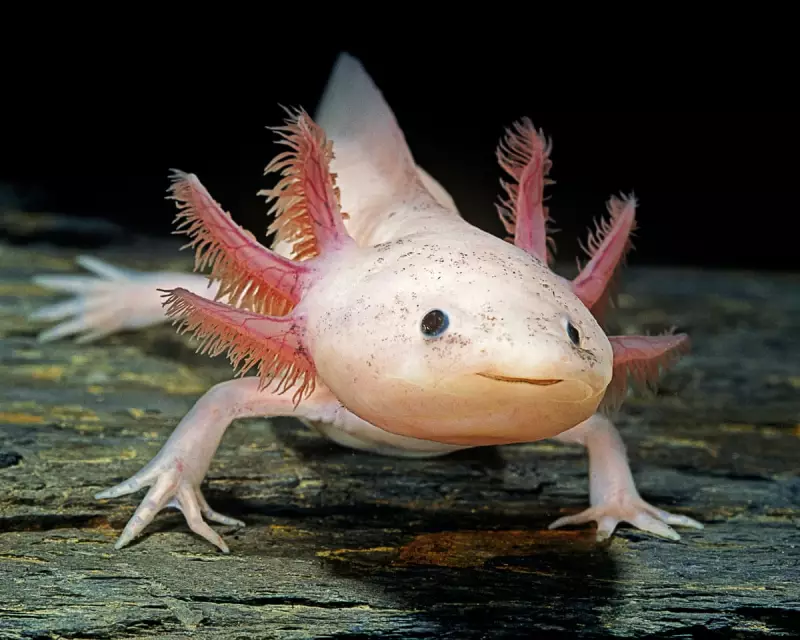
Their alien-like appearance, with feathery external gills and wide-set eyes, adds to their mystical allure. Prof Luis Zambrano, an ecologist in Mexico City, notes, "They look like they're not from this world," a sentiment echoed by many enthusiasts who find their unique aesthetics endlessly captivating.
The Dark Reality: Conservation Crisis in the Wild
Despite their global popularity, wild axolotls face a dire situation. Classified as critically endangered, their numbers in Lake Xochimilco have plummeted dramatically. In 1998, there were 6,000 axolotls per square kilometre; by 2014, this had dropped to just 36. Factors such as drainage, urban development, and invasive predatory fish like carp and tilapia have decimated their habitat. Zambrano, who has studied axolotls for 25 years, expresses deep concern. "In the wild, they are brown or grey, and they rarely smile," he says, highlighting the stark contrast between pet and wild axolotls.
Efforts like the Adoptaxolotl campaign aim to raise funds and awareness, but challenges persist. Zambrano criticises local government actions, arguing that conservation measures have been insufficient. "The popularity in pop culture creates a parallel world where people might not realise the real ones are disappearing," he warns, pointing to the upcoming World Cup in Mexico City, where an axolotl mascot could further commercialise the species without aiding its preservation.

Human Connection and the Path Forward
The axolotl's appeal lies in its relatability—a smile in the face of adversity, a symbol of resilience that resonates in turbulent times. Milena Andrzejczak, who owns pet axolotls in Shoreditch, says, "Caring for them connects me to the wild ones I worry about." This emotional bond underscores a broader hope: that global fascination can translate into meaningful conservation action. As axolotls continue to charm the world, the urgent need to protect their natural habitat remains a critical challenge, blending science, culture, and environmental stewardship in the fight to save these enigmatic "water monsters."