Wildlife enthusiasts looking to support their local avian populations can take several practical steps to make their gardens more inviting and safe for feathered visitors. Providing a reliable source of nourishment through well-placed feeders not only delights birdwatchers but also plays a crucial role in maintaining a healthy ecosystem.
Strategic Feeder Placement for Regular Visits
According to Richard Green, a bird feeding specialist at Kennedy Wild Bird Food, the location of your bird feeder is paramount to its success. Positioning it thoughtfully can significantly influence how often birds return to your garden.
Green emphasises: "Where you place your feeder can make all the difference. Opt for a sheltered spot that is away from potential predators and ensure it is at least one metre from windows to prevent dangerous collisions."

He also advises using sturdy, weather-protected feeders to keep the food dry and secure, which in turn encourages regular avian visits. Safety from common threats like cats and squirrels is another critical consideration.
Creating a Safe Feeding Environment
To protect smaller birds from larger predators, Green recommends placing feeders where birds have easy access to cover, such as nearby shrubs or trees. This gives them the confidence to feed and return safely.
For those troubled by squirrels or larger birds monopolising the food, a simple solution exists. "Caged feeders work especially well," Green notes, "as small birds can slip through the gaps while bigger birds and squirrels are kept out."
Selecting the Right Food for Year-Round Support
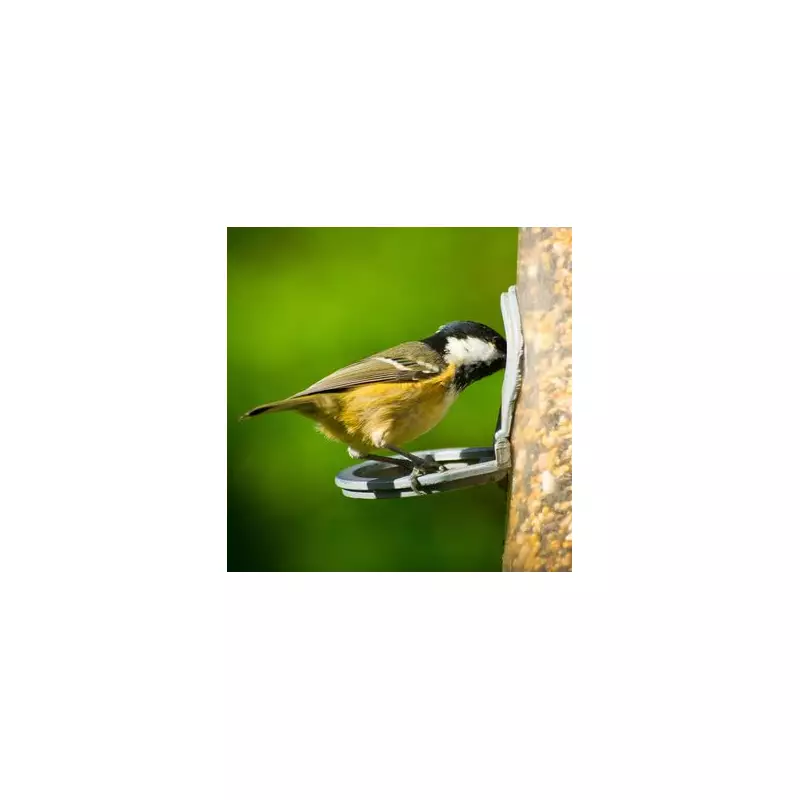
Offering high-quality feed is essential to attract a variety of species, including blue tits, coal tits, and robins. Green warns against using filler-laden mixes that birds often ignore.
He suggests: "Get nutritious seeds like sunflower, nyjer, and safflower, and avoid fillers such as bread or cracked corn. Consider the season too, as suet is good for winter, while nectar is perfect for summer."
Supporting Birds During Nesting Season
The nesting season, which typically runs from March to August, is a critical time for birds like nuthatches and finches. During this period, they seek sheltered spots in trees, shrubs, hedges, and tree hollows, with some species nesting on or near the ground.
To minimise disturbance, Green advises giving birds ample space, keeping pets away, and limiting noisy garden work during spring and summer. Providing extra food, fresh water, and natural materials like moss, leaves, twigs, and feathers can further support nesting efforts.
Installing a nest box offers a safe, secure place for birds to raise their young, enhancing your garden's role as a wildlife haven. By following these expert tips, you can create a thriving environment that supports local biodiversity and ensures regular, joyful visits from your feathered neighbours.