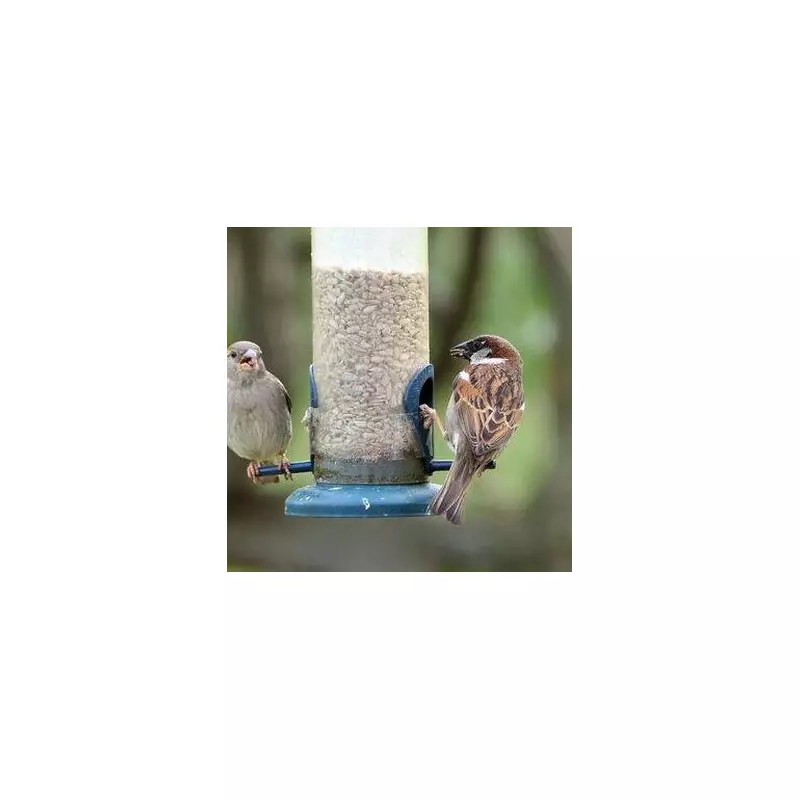
As winter tightens its grip, households across the UK are being issued a critical warning about a hidden danger lurking in their gardens. The very bird feeders intended to support wildlife could be spreading deadly diseases if not properly maintained.
The Hidden Danger in Your Garden
While providing food for birds is a cherished British pastime, especially during the colder months, an expert has revealed that damp bird seed poses a severe health risk. Richard Green, a bird feeding expert from Kennedy Wild Bird Food & Pet Supplies, is urging the public to examine their feeders with renewed vigilance.
The most crucial check is for moisture. Once bird food becomes wet, it can become a breeding ground for harmful pathogens in a shockingly short time.
Why a Daily Check is Essential
"Once damp, within 24 to 48 hours, seed can harbour moulds, bacteria and parasites that spread illness among birds sharing the same feeding space," Richard warned. This rapid contamination means gardeners should ideally inspect their feeders every single day.
He advises looking for clear warning signs that indicate the food has turned dangerous. These include seeds that have clumped together, any change in their normal colour, or the presence of a distinct musty smell.
Most alarmingly, "Any black, green or white fuzz on the food means it should be discarded immediately," he stated. The risk is so high that even condensation building up inside a feeder can create the perfect environment for mould to thrive.
How to Keep Your Garden Birds Safe
If you discover wet seed, it is vital to remove it completely. The expert was clear that attempting to dry it out and reuse it is not safe. "It should always be removed and disposed of, never dried out and reused, as it can carry mould spores and bacteria that remain active even after drying," Richard advised.
He explained that while birds might occasionally eat damp seed found in nature, feeders concentrate the risk, making cleanliness the key to safe garden feeding.
For those buying new equipment, selecting a feeder designed to shelter food from rain is highly recommended. Positioning is also crucial; placing feeders under eaves, on covered patios, or beneath the canopy of tree branches can significantly reduce the chance of food getting wet and protect the health of your local bird population.