Dingo Pack on K'gari Island to be Destroyed Following Tragic Tourist Incident
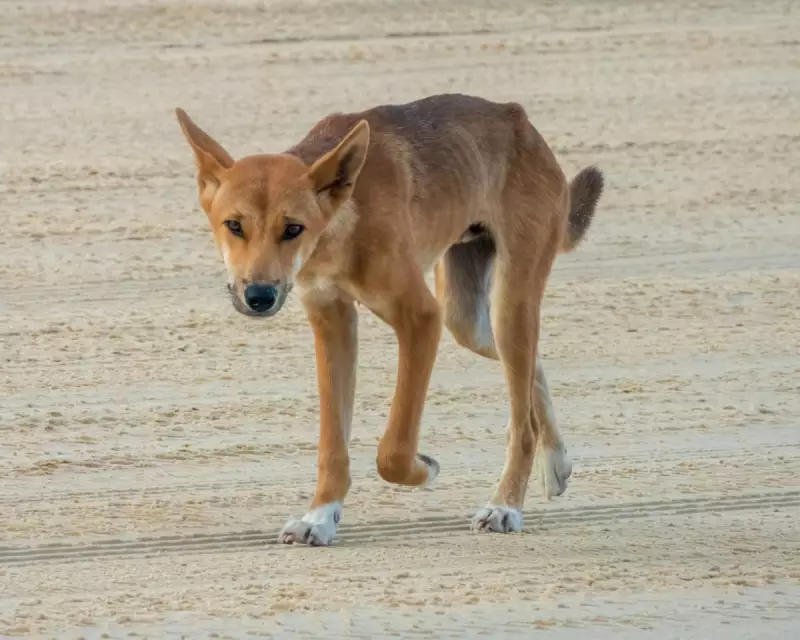
The Queensland government has made the controversial decision to euthanise an entire pack of dingoes on K'gari, formerly known as Fraser Island, following the death of a Canadian tourist. Environment Minister Andrew Powell confirmed on Sunday that ten animals would be humanely destroyed after being linked to the tragic incident involving 19-year-old Piper James.
Public Safety Concerns Prompt Drastic Action
Minister Powell described the decision as "tough but necessary" in the public interest, stating that the dingo pack posed an unacceptable safety risk. Rangers had reportedly observed aggressive behaviour from the animals throughout the week following Monday's incident. An autopsy released on Friday revealed physical evidence consistent with drowning alongside injuries matching dingo bites, though authorities noted that pre-mortem bite marks were unlikely to have caused immediate death.
"This tragedy has deeply affected Queenslanders and touched the hearts of people around the world," Powell stated in an official announcement. The minister emphasised that the animals would be removed and euthanised humanely as part of the government's response to what they deem a critical public safety issue.

Indigenous Traditional Owners Express Outrage Over Lack of Consultation
The decision has sparked significant controversy, particularly among the Indigenous Butchulla people, who consider the dingoes (known as wongari in their culture) sacred. Christine Royan, secretary of the Butchulla Aboriginal Corporation, described the government's action as a "cull" and expressed dismay at the lack of consultation.
"I was dumbfounded," Royan revealed, noting that traditional owners weren't informed about the decision until Sunday, despite six animals already being destroyed on Saturday. "This government has no respect for First Nations people. It's a disgrace."
K'gari is managed through a collaborative arrangement between the Butchulla people and the Queensland government, with the island being a national park held under native title. The dingo population, estimated at around 200 animals, is specifically mentioned in K'gari's world heritage listing, highlighting their cultural and ecological significance.
Historical Context and Conservation Concerns
While dingo attacks have become more frequent in recent years, fatal incidents remain rare. The most famous case occurred in 1980 when baby Azaria Chamberlain was killed by a dingo near Alice Springs, leading to her mother's wrongful prosecution. More recently, in 2001, a K'gari dingo killed nine-year-old Clinton Gage, prompting a controversial cull of approximately thirty animals that was criticised by conservationists and the federal government alike.
Conservation experts have raised serious concerns about the potential impact on the island's dingo population. Bradley Smith, a senior lecturer at Central Queensland University, warned this week that any losses to the population could prove catastrophic to their long-term viability, given estimates suggesting only 100-200 animals remain on the island.
Tourism Pressures and Ecological Balance
The Butchulla people and conservation groups have repeatedly pointed to overtourism as a contributing factor in human-dingo conflicts on K'gari. Last February, the island's world heritage advisory committee warned that the ecology risks being "destroyed" by excessive visitor numbers, though Minister Powell has consistently rejected proposals to cap tourism.
The Queensland government has implemented various protective measures over the years, including fencing and warning signs, with individual animals occasionally being destroyed when deemed necessary. However, this latest decision represents one of the most significant interventions since the 2001 cull, reigniting debates about balancing public safety, cultural heritage, and wildlife conservation on one of Australia's most iconic islands.