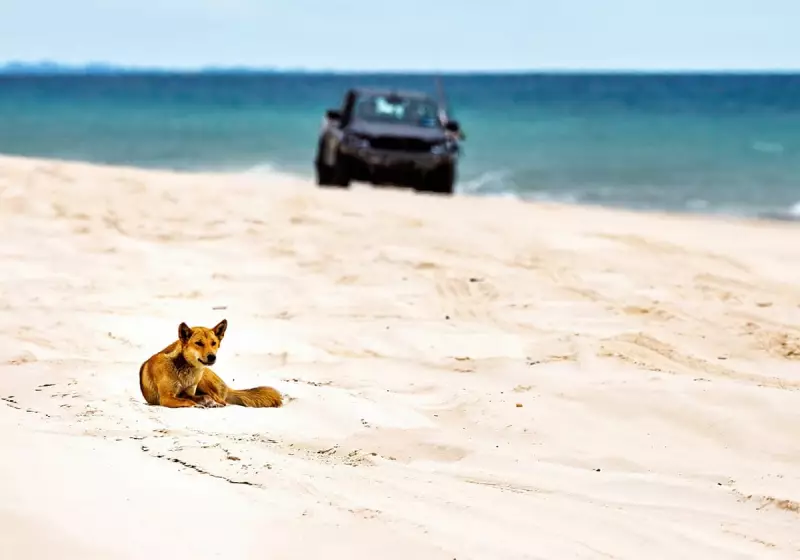
Tourist Tragedy on K'gari Sparks Urgent Debate Over Dingo Coexistence
The tragic death of a young Canadian backpacker on K'gari has ignited a profound debate about whether tourists and the island's unique dingo population can safely coexist. Piper James, a 19-year-old woman, was found deceased on Monday morning near a shipwreck on the windswept white sand beaches of this world-heritage listed island off Queensland's coast.
Coroner's Investigation Underway
The Queensland coroner is currently investigating the precise circumstances surrounding Piper James's death. Her body was discovered surrounded by dingoes, leading to immediate questions about the role these animals may have played. A preliminary autopsy has revealed physical evidence consistent with drowning alongside injuries from dingo bites.
The coroner's spokesperson stated that pre-mortem dingo bite marks were "not likely to have caused immediate death," though extensive post-mortem bite marks were present. Further pathology results are awaited, with a final determination expected to take several weeks. Authorities have confirmed there is no evidence suggesting any other person was involved in the incident.

K'gari's Unique Ecological Status
K'gari, formerly known as Fraser Island, represents an exceptional ecological environment described by UNESCO as featuring "majestic" tall rainforests, perched freshwater lakes, and shifting sand dunes. It is the largest sand island on Earth and home to approximately 150 human residents alongside a genetically distinct population of dingoes.
These animals, called wongari in the language of the Butchulla traditional owners, hold sacred status for First Peoples and are specifically mentioned in the island's world heritage listing. Central Queensland University senior lecturer Bradley Smith estimates between 100 and 200 dingoes roam K'gari's beaches and sand dunes, noting that any reduction in this closed island population would be "catastrophic to their viability."
Tourism Pressures and Human Behavior
The incident has highlighted growing concerns about overtourism on K'gari, with hundreds of thousands of visitors flocking to the 120km-long island annually. The K'gari World Heritage Advisory Committee (KWHAC) warns that excessive tourism is increasingly creating conflict between humans and dingoes.
Committee chair Sue Sargent notes that some tourists deliberately feed dingoes to coax them closer for selfies, a practice that contributes to animals becoming habituated to humans and increases the risk of attacks. She has warned that overtourism threatens to "destroy" the island's delicate ecology.
Political Response and Expert Perspectives
Queensland Premier David Crisafulli has faced questions about whether a dingo cull might be considered following the tragedy, but has declined to speculate before facts are established. "It's a really troubling time, and we're determined to get to the bottom of the cause, and then we'll respond," he stated.
Bradley Smith, who is finalising a second book on dingoes for Australia's national science agency, expresses astonishment that culling discussions are occurring before investigation results are known. "I can't believe that we are having this conversation in 2026," he says, emphasising that this represents "a human problem – not a dingo problem."
Smith suggests that tourism and dingo conservation are compatible on K'gari if visitor behavior changes appropriately. While some have proposed capping tourist numbers, Premier Crisafulli has already ruled out this approach. The tragedy has brought into sharp focus the complex balance between preserving unique wildlife and accommodating the tourism that supports local communities.