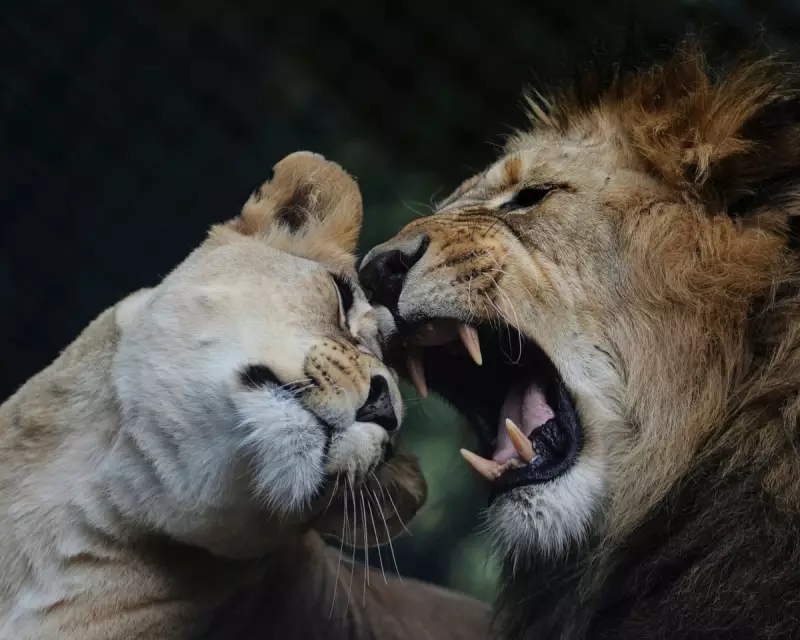
In a sobering decision that has highlighted the complex realities of wildlife conservation, Christchurch's Orana Wildlife Park has been forced to euthanise two male lions after exhaustive efforts to find them a new home failed.
The park management confirmed that despite contacting over 60 zoological facilities across Australasia and internationally, no suitable placement could be found for the magnificent brothers, Zahir and Khari.
The Impossible Choice
Park officials described the decision as "incredibly difficult" but necessary, citing several critical factors that left them with no viable alternatives:

- Limited space within the park's current lion habitat
- The brothers' strong bond making separation impossible
- Age considerations affecting their ability to adapt to new environments
- International restrictions complicating cross-border transfers
Conservation vs. Reality
Orana Wildlife Park, which operates as a charitable trust, emphasised that this was not a decision taken lightly. "This is the absolute last resort for any wildlife facility," a park representative stated, their voice heavy with emotion.
The situation underscores the broader challenges facing wildlife conservation programmes worldwide, where ideal outcomes sometimes clash with practical limitations and animal welfare considerations.
Public Reaction and Education
While the news has understandably upset many animal lovers, conservation experts hope it will spark important conversations about:
- The realities of managing captive wildlife populations
- The importance of supporting conservation efforts
- Understanding that difficult decisions are sometimes unavoidable in animal welfare
"These decisions are made with the animals' best interests at heart, even when they're heartbreaking for everyone involved," the park added in their official statement.
The park continues its vital work in native species conservation and education, reminding visitors that supporting ethical wildlife facilities remains crucial for protecting vulnerable species worldwide.