In an extraordinary discovery that has sent ripples through the scientific community, a retired Australian teacher has unearthed a fossil species dating back an astonishing 480 million years. This remarkable find now stands as the oldest fossil of its kind ever discovered in the Southern Hemisphere.
The Accidental Palaeontologist
Bob Trigg, a 72-year-old former science teacher from Western Australia, made the groundbreaking discovery while exploring a remote cattle station in the Northern Territory. What began as a casual fossil-hunting trip turned into a moment of scientific history when Trigg spotted something unusual in the rocky outcrops.
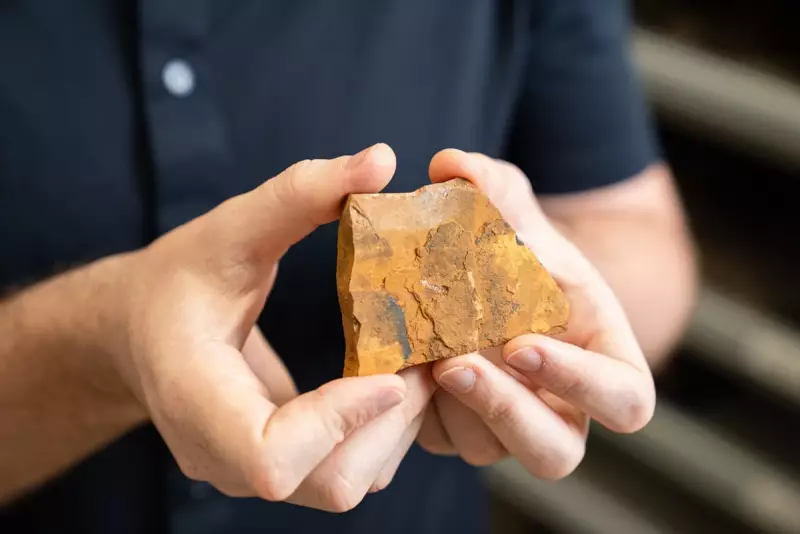
The fossil, identified as a previously unknown species of marine animal called a trilobite, represents a crucial missing piece in our understanding of early life on Earth. Trigg, who has been fossil hunting for over three decades, immediately recognised the significance of his find. "I knew it was special the moment I saw it," the retired educator recalled.
Scientific Significance of the Discovery
Researchers from the University of Adelaide have confirmed that the fossil dates back to the Ordovician period, approximately 480 million years ago. This makes it significantly older than any similar fossil previously found in the Southern Hemisphere. The discovery challenges existing theories about how and when these ancient creatures spread across the prehistoric oceans.
Dr. Sarah Wilkinson, the lead palaeontologist studying the specimen, explained the importance of the find. "This discovery rewrites our understanding of early marine ecosystems in the Southern Hemisphere," she stated. "Before this, we had limited evidence of trilobite diversity in this region during the Early Ordovician period. Bob's find fills a major gap in the fossil record."
The newly discovered species has been formally named Norillagnus triggi in honour of its discoverer. The naming follows scientific tradition of recognising those who make significant contributions to palaeontology.
Implications for Future Research
The discovery has far-reaching implications for our understanding of prehistoric life. The exceptional preservation of the fossil provides researchers with unprecedented details about the creature's anatomy and lifestyle. Scientists can now study features that were previously unknown in Southern Hemisphere specimens from this period.
The fossil's location in what was once a shallow sea environment provides crucial clues about the distribution of marine life during the Ordovician period. This was a time when life in the oceans was diversifying rapidly, leading to the development of complex ecosystems that would eventually give rise to modern marine life.
Researchers believe that the discovery site may contain additional significant fossils. A team of scientists plans to return to the location for further excavations in the coming months. The remote nature of the site and its challenging accessibility have likely contributed to the area remaining unexplored by palaeontologists until now.
Trigg's discovery serves as a powerful reminder that important scientific breakthroughs can come from unexpected sources. The retired teacher's passion for fossil hunting has provided science with a valuable new piece of Earth's ancient history, demonstrating that curiosity and persistence can lead to remarkable achievements regardless of professional background.
The fossil will be permanently housed in a museum collection where it will be available for study by researchers from around the world. Meanwhile, Bob Trigg continues his fossil hunting activities, proving that retirement can be the beginning of new discoveries rather than the end of one's contributions to science.