Thailand's Endangered Dugong Crisis: A Marine Biodiversity Warning
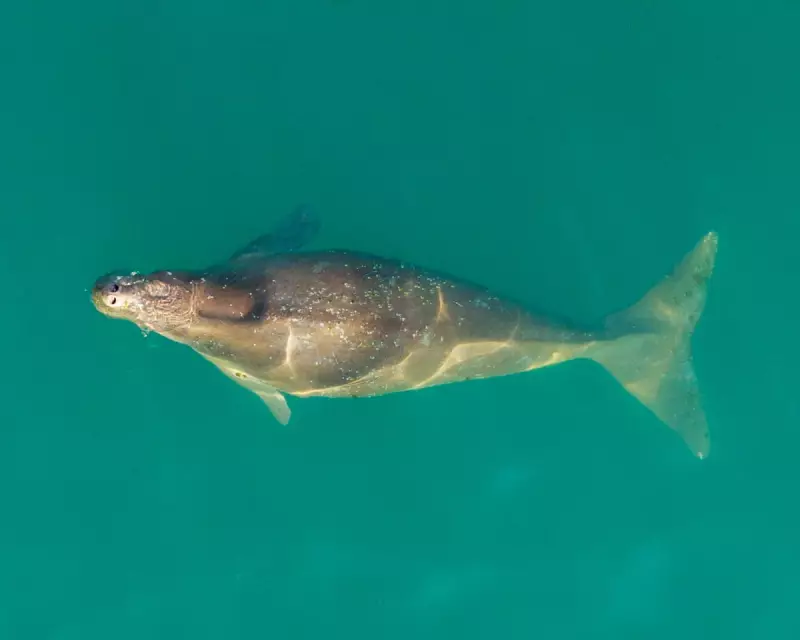
The Andaman Coast of Thailand, home to one of the world's largest dugong populations, is witnessing a dramatic and alarming decline in these gentle marine mammals, often affectionately called sea cows. Recent estimates suggest the population may have fallen by more than half, with increasing numbers of dead or stranded dugongs washing ashore, serving as a stark indicator of a broader marine biodiversity crisis.
A Troubling Decline in Numbers
As of 2022, approximately 273 dugongs were estimated to inhabit Thailand's Andaman Coast. However, experts now report this number has likely plummeted by more than fifty percent. This precipitous drop is evidenced by the growing frequency of dugong carcasses and distressed animals found stranded on beaches, a phenomenon that has captured the attention of conservationists and scientists worldwide.
The Search for Answers in Phuket
The crisis has drawn researchers and documentarians to Phuket, where the presence of dugongs itself is a cause for concern. These animals are typically concentrated around the rich seagrass meadows of Trang province, some 100 kilometres away. Their appearance in Phuket waters signals a desperate search for food, driven by a catastrophic die-off of their primary food source: seagrass.

The mystery of the seagrass die-off remains complex. While initial theories considered parallels with global coral bleaching events linked to high sea temperatures, the Andaman Sea experienced cooler than normal conditions in 2023. By the time unseasonably warm temperatures arrived in mid-2024, the dugong strandings were already widespread. Scientists now believe a combination of factors is to blame, including:
- Reduced light penetration due to silt in the water
- Pollution from various sources
- Dredging activities
- Increased dissolved nutrients in the marine system
- Extreme sea temperature fluctuations
- Elevated daytime tidal exposure
Local Champions and a Lone Survivor
Amidst this ecological turmoil, local advocates are working to raise awareness. Photographer Theerasak Saksritawee, known as Pop, uses drone technology to capture stunning images of the remaining dugongs, sharing their plight with over 26,000 Instagram followers. He aims to build a social movement for their protection, noting that "many people, when they think of conservation, focus on sea turtles and dolphins. Some people can't even tell where a dugong's eyes are."
His efforts highlight the struggle for attention faced by less charismatic marine species, whose declines often occur out of human sight. A poignant example is found in Tang Khen Bay, where only one dugong, nicknamed Miracle for surviving two beach strandings, remains. Once sharing the bay with up to twelve others, Miracle has become territorial, chasing away competitors to claim the sparse seagrass for himself—a behaviour born of scarcity.
Global Context and Local Hope
The crisis in Thailand's waters underscores the urgent need for global marine protection. The recent entry into force of the UN's High Seas Treaty offers a glimmer of hope, aiming to protect marine life in international waters and support the goal of safeguarding 30% of the world's oceans by 2030.
Back in Phuket, the search for cultural recognition continues. Among the souvenir stalls of Phuket's old town, evidence of the dugong's place in local consciousness is scarce, with only a single cartoonish pin found for sale. Building this cultural cachet, as Pop advocates, could be vital for rallying public support and political will to address the complex environmental pressures threatening these endangered sea cows and the marine ecosystems they inhabit.