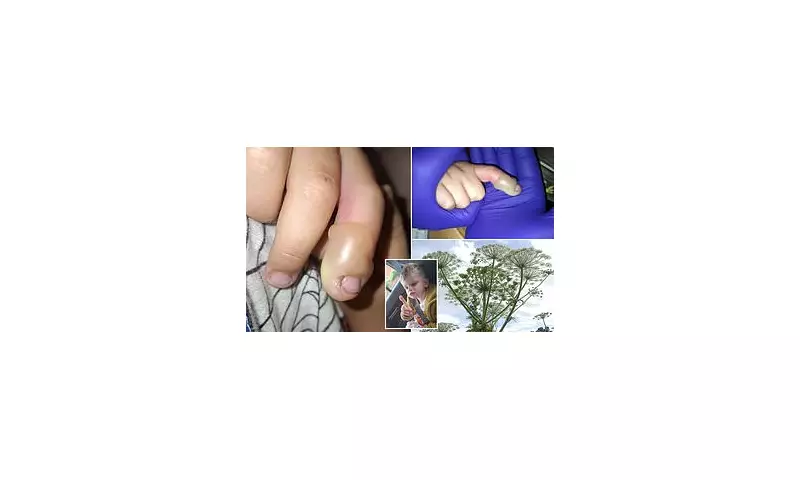
A young child in Newcastle has been hospitalised with severe burns after coming into contact with giant hogweed, one of Britain's most dangerous plants. The toddler, whose identity has not been disclosed, suffered painful blisters after brushing against the toxic weed during a family outing.
What is Giant Hogweed?
Giant hogweed (Heracleum mantegazzianum) is an invasive species that can grow up to 5 metres tall. Its sap contains toxic chemicals called furanocoumarins, which cause severe skin burns when exposed to sunlight. The plant, originally from Central Asia, has spread across the UK along riverbanks and wasteland.
Why is it So Dangerous?
The sap prevents skin from protecting itself against UV radiation, leading to:

- Third-degree burns within 48 hours of contact
- Painful blisters that may recur for years
- Potential blindness if sap enters the eyes
- Long-term sensitivity to sunlight
UK Hotspots for Giant Hogweed
While the Newcastle case highlights the danger, environmental agencies report sightings across Britain, particularly in:
- Riverbanks and canal paths
- Roadside verges
- Parks and recreational areas
- Derelict building sites
What to Do if Exposed
If contact occurs:
- Immediately wash the area with soap and cold water
- Avoid sunlight for at least 48 hours
- Seek medical attention if blisters appear
- Report sightings to local authorities
Experts warn that climate change may be contributing to the plant's spread, with warmer temperatures allowing it to thrive in new areas. Parents are advised to teach children to recognise and avoid the distinctive plant, which has white flower clusters and purple-spotted stems.