A groundbreaking report has uncovered a disturbing connection between wildlife crime and serious offences against humans, revealing that four in five people convicted of animal abuse crimes are linked to broader criminal activities.
The Alarming Statistics
The National Wildlife and Crime Unit conducted detailed analysis comparing the records of 128 people convicted of wildlife crimes in 2024 against the Police National Computer database. The findings present a stark picture of interconnected criminality that extends far beyond animal cruelty.
Nearly all offenders were male (96%), of white north European ethnicity (93%), and British (92%). Perhaps more concerning is that approximately a quarter of these offenders were also linked to domestic violence and violence against women and girls.
Kevin Lacks-Kelly, chair of the NWCU, emphasised the significance of these findings: "Our job is not just about tackling wildlife crime. It's about making our streets safer and taking every opportunity to stop abusers. Harm to animals perpetuates to humans."
Patterns of Criminal Behaviour
The analysis revealed that wildlife crime offenders were most commonly associated with violent offences (59%) and theft or criminal damage (58%). These figures rise dramatically among specific offender groups.
Among poaching and hare coursing offenders, connections to violent crimes jumped to 72%, while those committing badger crime offences showed 67% links to violence. The research indicates that only 18% of wildlife crime offenders had no connection to other crimes.
The report, compiled by Wildlife and Countryside Link, warns that these figures "are likely to be an underestimate" due to low conviction rates for many animal crimes.
Case Studies Highlight the Connection
The report cites several disturbing examples that illustrate the link between wildlife crime and other serious offences.
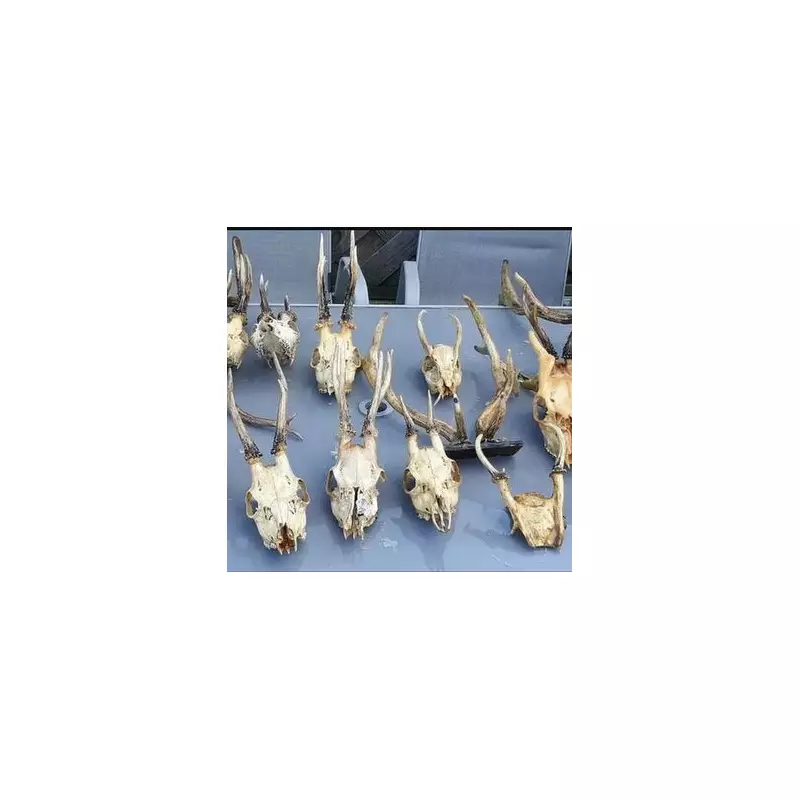
Daniel Taylor, 33, from Worksop, Nottinghamshire, received a two-year, eight-month sentence for causing "barbaric suffering" to wildlife by setting his dogs on foxes, badgers, deer and pigeons. Police discovered a collection of deer skulls and fox tails he kept as trophies during a raid on his property in February 2023. Taylor had previous convictions, including participation in a £9,000 smash-and-grab raid at a Cash Generator shop in 2012.
In another case, John Riley, 36, from Llanberis, Gwynedd, pleaded guilty to interfering with a badger sett and received a £242 fine in 2024. However, in 2017, he was jailed for three years after a single punch broke his victim's skull outside a pub, with the judge warning he could have killed the man.
Call for Government Action
The Wildlife and Countryside Link report highlights that while reported wildlife incidents decreased slightly from 5,125 to 4,819 last year, convictions actually increased from 486 to 722. However, experts believe this represents only the tip of the iceberg in terms of actual wildlife crime levels.
The report identifies a crucial gap in crime recording, urging the government to add wildlife crimes to the notifiable offences register with the Home Office. This change would require police forces to systematically record such incidents.
Support for this measure appears strong within the police force, with 81% of officers surveyed by the Naturewatch Foundation believing crimes against wildlife should be notifiable.
Jim Clark, Wildlife Crime Campaign Manager at Naturewatch Foundation, stated: "We stand with the Wildlife and Countryside Link's latest report calling for stronger action on wildlife crime. Too many offenders go unpunished - and the link to wider violent crime is deeply concerning."
Sonul Badiani-Hamment, Country Director at Four Paws UK, added: "For too long wildlife crime has been overlooked and under enforced. By taking it seriously, making it notifiable and properly resourcing its enforcement, the government can protect Britain's wildlife from further harm whilst tackling wider criminality."
The research also highlights how tackling wildlife crime represents a critical step toward the government's commitment to reversing biodiversity loss by 2030, while simultaneously addressing failures in the criminal justice system's handling of these interconnected offences.