Global Wildlife Photography Highlights: A Week of Remarkable Encounters
This week's collection of wildlife photographs from across the globe showcases both the resilience and the delicate beauty of the natural world. From urban adaptations to remote wilderness encounters, these images capture moments that highlight the intricate relationships between species and their environments.
A Rescued Owl and Urban Waterfowl
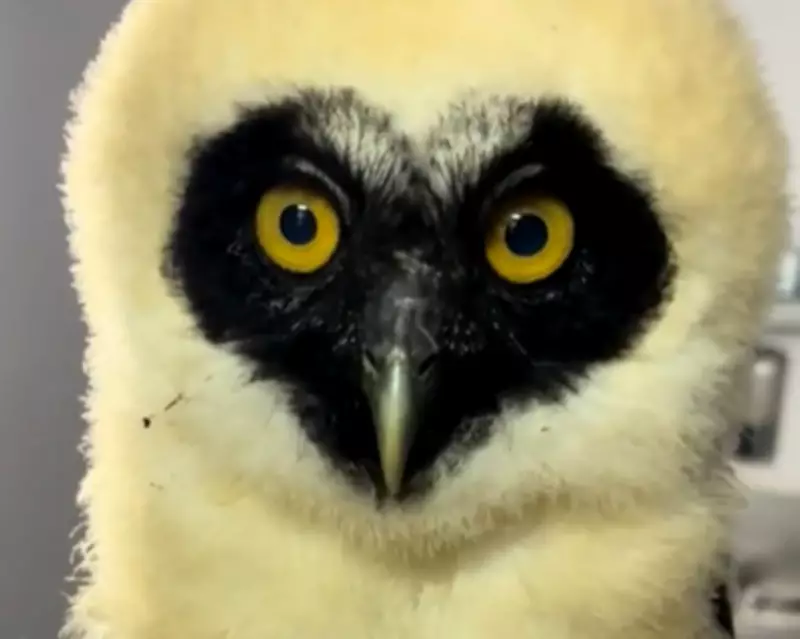
In Costa Rica, a juvenile spectacled owl nicknamed Gandalf was rescued by local firefighters and brought to International Animal Rescue's centre. Found near a river, possibly frightened by dogs, the owl was fortunately uninjured. Officials are optimistic about his imminent release back into the wild. Meanwhile, in London, a pair of Egyptian geese have taken the bold step of raising their three goslings on Clapham Common's Long Pond, perilously close to a busy main road. Both parents remain vigilant, honking warnings as joggers and commuters pass, yet appearing remarkably unconcerned by the nearby traffic.
Predators, Prey, and Climate Adaptations
A striking image from Kenya features Giza, a seven-year-old black female leopard at the Laikipia wildlife conservancy, described by the photographer as "the most beautiful cat I've ever seen." In a dramatic display of territorial defence in Arizona, a red-winged blackbird was photographed chasing a bald eagle away from its domain—a rare event observed by the photographer over a decade of eagle watching. As Australia endures a severe heatwave, a satin bowerbird was captured cooling down at a birdbath in Kandos, New South Wales, offering a poignant reminder of how wildlife adapts to extreme weather conditions.

Fukushima's Unlikely Wildlife Haven
Nearly a decade after the nuclear accident in Fukushima, Japan, research from the University of Georgia reveals that wildlife populations are flourishing in areas abandoned by humans. The study documented over twenty species, including wild boar and their babies—affectionately called humbugs—Japanese hare, macaques, and raccoon dogs. This resurgence has sparked calls for the region to be designated as a permanent nature reserve, highlighting nature's capacity to reclaim spaces left undisturbed by human activity.
Global Snapshots: From Florida to Mongolia
In Florida, a green iguana displays vibrant orange hues during breeding season at Wakodahatchee wetlands, while nearby, snorkelling tourists observe manatees seeking refuge in the warmer waters of Three Sisters Springs. On the borders of China's Gobi desert, Mongolian wild donkeys—a protected species—forage on the Mazong mountain grassland. Research also sheds light on spider monkeys' social intelligence, revealing they share information about prime fruit tree locations rather than foraging randomly, facilitated by their constantly changing social subgroups.
Conservation Efforts and Human-Wildlife Interactions
In south-eastern Thailand, wildlife officials have administered contraceptives to elephants for the first time to manage their growing population and reduce human-elephant conflicts. In Turkey, an endangered wild goat battles through snow in Tunceli, forced to lower elevations by harsh winter conditions. Meanwhile, in a UK garden in Oxfordshire, a snail exemplifies nature's dual roles—both a plant pest and a beneficial decomposer within the local ecosystem.
From the majestic to the minute, these photographs underscore the ongoing stories of survival, adaptation, and coexistence that define our planet's wildlife, reminding us of the importance of conservation and respectful observation.