Historic Birth Through Deceased Donor Womb Transplant
The United Kingdom has witnessed a groundbreaking medical achievement with the birth of the first baby from a womb transplant involving a deceased donor. This pioneering procedure offers renewed hope to countless couples struggling with infertility and represents a significant advancement in reproductive medicine.
Baby Hugo's Historic Arrival
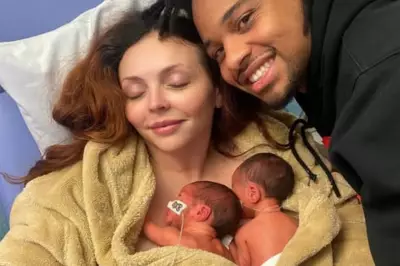
Hugo Richard Norman Powell entered the world weighing 6lb 13oz (3.1kg) in December at Queen Charlotte's and Chelsea Hospital, which operates under the Imperial College Healthcare NHS Trust. This remarkable birth marks the inaugural successful case in the UK utilizing a womb from a deceased donor, with only two previous instances documented across Europe.
This milestone follows the UK's initial womb transplant in 2023, which involved a living donor. In that earlier case, baby Amy was born to parents Grace and Angus Davidson after Mrs. Davidson received a womb donation from her older sister. Both Mrs. Davidson and Hugo's mother, Grace, share a diagnosis of Mayer-Rokitansky-Kuster-Hauser (MRKH) syndrome.

Understanding MRKH Syndrome
MRKH is a rare congenital condition affecting approximately one in every 5,000 women, characterized by an underdeveloped or entirely absent womb. Crucially, women with MRKH typically possess intact, functional ovaries that continue producing eggs and female hormones. This biological reality makes conception through specialized fertility treatments a viable possibility for affected individuals.
Dual Donor Programmes Transforming Lives
Womb Transplant UK currently operates two distinct programmes: one utilizing living donors and another employing organs from deceased women. The living donor initiative has primarily focused on relatives willing to donate their wombs, though future expansion may include friends or altruistic donors, mirroring practices already established in the United States.
Deceased Donor Protocol
The deceased donor programme operates under specific research protocols and requires explicit, separate consent from families. Unlike other organ donations, wombs are not covered by standard organ donor registration or presumed consent systems. Families who have agreed to donate other organs may subsequently be approached about the womb transplant research initiative and asked specifically about womb donation.
Potential deceased donors must be women aged 18 to 51 who have been confirmed dead through brain stem death testing. This collaborative research programme brings together expertise from Imperial College Healthcare NHS Trust, Oxford University Hospitals NHS Foundation Trust, NHS Blood and Transplant, Womb Transplant UK, and The Lister Hospital.
Living Donor Safeguards
For living donors, the process involves extensive counselling to eliminate coercion and ensure comprehensive understanding of donation risks. Each proposed donation undergoes rigorous evaluation by the Human Tissue Authority (HTA), with procedures only proceeding following formal HTA approval.
Financial and Operational Framework
Each womb transplant carries an approximate cost of £30,000, fully funded by the charity Womb Transplant UK. This funding covers NHS theatre time and patient ward stays, with operations scheduled during periods when NHS operating theatres would otherwise be unused, thereby avoiding impact on standard NHS waiting lists.
Remarkably, surgeons and medical staff involved in these transplants have donated their time without payment. Once patients achieve pregnancy through self-funded IVF treatments, the NHS assumes responsibility for pregnancy management and delivery costs, consistent with standard maternity care protocols.
Future Prospects and Global Context
To date, UK surgeons have performed five womb transplants: two involving living donors and three utilizing deceased donors. These procedures have resulted in two successful births: one from a live donor and Hugo's birth from a deceased donor. Medical experts estimate that future capacity could reach 20 to 30 womb transplants annually within the UK.

Addressing Medical Need
These transplants offer hope to women born without functioning wombs and those who have lost their reproductive organs to cancer or other medical conditions. Current estimates suggest approximately 15,000 women of childbearing age in the UK lack functional wombs. Eligibility for the programme requires UK residency and an age range of 24 to 40 years, extended to 42 if embryos were frozen before age 38.
International Landscape
Globally, more than 100 womb transplants have been performed, predominantly involving living donors, with over 70 healthy babies born worldwide. Procedures have occurred across numerous countries including Saudi Arabia, Turkey, Sweden, the United States, China, Czech Republic, Brazil, Germany, Serbia, and India. The first successful birth from a deceased donor transplant was announced in Brazil in 2016, though ten previous attempts using deceased donors had resulted in failure or miscarriage.
Success Rates and Operational Scale
American data indicates that more than half of women receiving womb transplants subsequently achieve successful pregnancies. Between 2016 and 2021, 33 American women received womb transplants, with 19 (58%) delivering a total of 21 babies by 2022. Among recipients, 74% maintained functioning wombs one year post-transplant, with 83% of this group giving birth to live children.
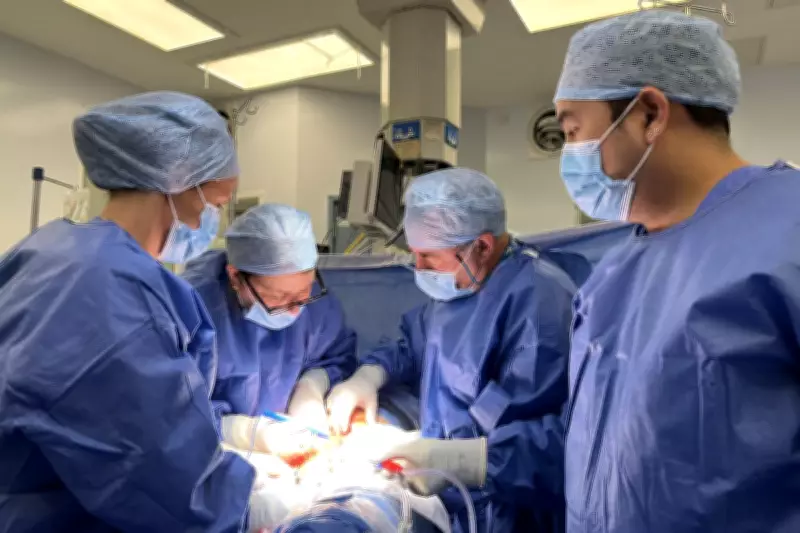
While UK-specific data remains limited, all transplants performed thus far have resulted in fully functional wombs. Each procedure involves more than 30 medical staff members dedicated to patient care. Womb Transplant UK currently holds approval for five living donor transplants and ten deceased donor transplants under its research programme.
This medical breakthrough represents not merely a technical achievement but a profound expansion of reproductive possibilities for thousands of women across the United Kingdom, offering new pathways to parenthood through innovative surgical and medical collaboration.