Chase Johnson, a 36-year-old attorney from Cary, North Carolina, credits her dog with saving her life after his unusual anxious behaviour led to a critical breast cancer diagnosis. Her Labrador and retriever mix, Cato, began acting strangely in early 2021, following her around the house, whimpering, and displaying uncharacteristic anxiety that initially puzzled his owner.
Canine Detection of Hidden Danger
Johnson noticed Cato's behaviour change but couldn't determine the cause until a pivotal moment several weeks later. "Cato is a pretty calm dog; he never gets anxious and is always pretty chill," Johnson explained. "A couple of weeks before I found the lump, he followed me around the house, would pace the room, whimpering and became really anxious."
The breakthrough came when Cato became particularly agitated and poked Johnson's left breast with his nose. "He did it a second time, which hurt; that is when I started searching and found the lump," she recalled. "If he had not done that, I would not have found it."

Previous Experience with Canine Cancer Detection
This wasn't the first time Cato had demonstrated cancer detection abilities. Previously, the dog had alerted Johnson's husband, Ben Byrn, 48, to his colon cancer through similar anxious behaviour and constant following. This past experience made the couple particularly attentive when Cato began showing the same signs around Johnson.
"Cato had always been my little shadow; we are very much bonded together," Johnson said. "When he started feeling anxious again, we knew he was warning one of us, and my husband just had a clear scan, so we knew it was me."
Medical Journey and Diagnosis
After discovering a "rubbery lump" in her breast, Johnson faced initial medical skepticism. Her primary care provider told her she was "too young for cancer" and suggested waiting until May 2021 for an appointment, dismissing her concerns by stating "cancer doesn't hurt."
Not satisfied with this response, Johnson contacted a physician associate at Duke University Hospital, who also expressed doubts about cancer due to her age. However, after Johnson explained Cato's history of detecting her husband's cancer, the medical professional agreed to order diagnostic tests.
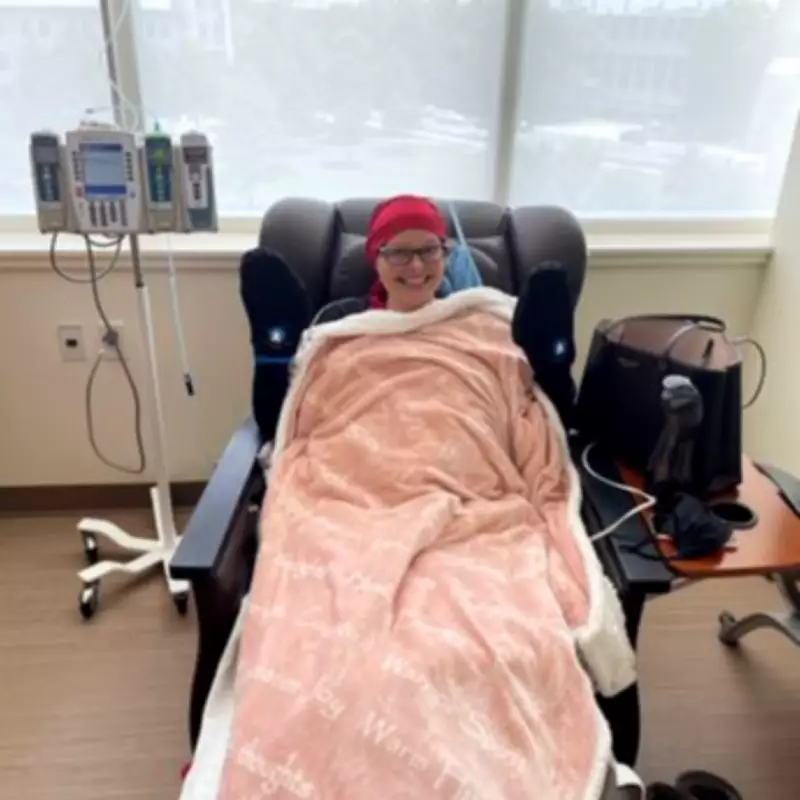
Following a mammogram, ultrasound, and biopsy, Johnson received a diagnosis of triple-negative breast cancer on February 16, 2021. This aggressive form of breast cancer requires prompt treatment, and Johnson immediately underwent chemotherapy, radiotherapy, a lumpectomy, and lymph node removal.
Critical Timing and Successful Outcome
Johnson's oncologist later told her that waiting until May for her initial appointment would have dramatically changed her prognosis. "After my diagnosis, I met with my oncologist, she said if I had waited till May, that we would be having a very different conversation, and I may not have survived," Johnson revealed.
The treatment proved successful, and Johnson currently shows no sign of disease. She attributes her survival to Cato's detection and her persistence in seeking medical attention despite initial dismissals from healthcare professionals.
Participating in Groundbreaking Research
Johnson is now participating in a Cleveland Clinic clinical trial for a preventive breast cancer vaccine. She joined 35 patients in the Phase I study, conducted in partnership with Anixa Biosciences, Inc. Early findings showed the investigational vaccine produced an immune response in 74 percent of participants and was safe and well-tolerated.
Dr. G. Thomas Budd, principal investigator of the study, commented on the significance of this research: "It's a hopeful time for all of us concerned about this serious disease. For triple-negative breast cancer, until just a few years ago, chemotherapy was our only systemic option beyond surgery and radiation. Recently, immunotherapy has shown benefit when combined with chemotherapy, which makes exploring a vaccine strategy even more significant."
Johnson reflects on her experience with profound gratitude for her canine companion: "If I didn't have Cato, and if I didn't have that past experience with my husband, I might not be here. You have to be your own advocate, I was told by experts that I was too young and cancer didn't hurt - then I received this diagnosis."