UK Medical Milestone: First Baby Born Following Womb Transplant from Deceased Donor
A baby boy has become the first child in the United Kingdom to be born to a mother who received a womb transplant from a deceased donor. This landmark medical achievement represents a significant breakthrough in reproductive medicine and offers new hope for women with uterine factor infertility.
The Birth of Baby Hugo Powell
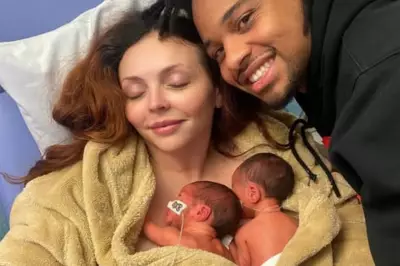
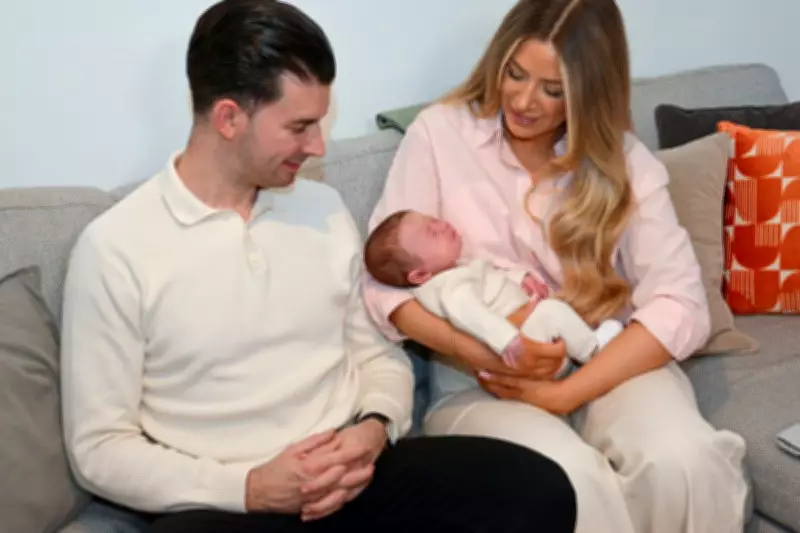
Hugo Powell was born in December weighing 6lb 13oz (3.1kg) to parents Grace Bell and Steve Powell following a pioneering transplant procedure. The groundbreaking surgery took place at Queen Charlotte's and Chelsea Hospital, which forms part of the Imperial College Healthcare NHS Trust. The birth represents the culmination of years of medical research and development in the field of uterine transplantation.
Ms Bell, an IT programme manager, was born with Mayer-Rokitansky-Kuster-Hauser (MRKH) syndrome, a rare congenital condition that results in underdevelopment of the uterus. She received her diagnosis at age 16 and had long believed that biological motherhood would be impossible for her.

"I never, ever thought that this would be possible," said Ms Bell. "I'm the happiest I've ever been in my life. Since I was 16, I never thought this was going to be possible. So it really is a miracle. It just felt quite unreal at the time, because this has been a long journey for us both."
The new mother described waking up to see her son's face as feeling like she needed to wake from a dream. Hugo was delivered via caesarean section, a standard procedure for births following womb transplants to minimize risks to both mother and child.
The Donor's Legacy and Consent Process
Ms Bell expressed profound gratitude toward her anonymous donor and the donor's family, stating that she thinks of them daily. "There are no words to say thank you enough to my donor and her family," she said. "I hope they know that my child will always know of their incredible gift, and the miracle that brought him into this world."
The donor's parents released a statement acknowledging their grief while finding solace in their daughter's final act of generosity. "Losing our daughter has shattered our world in ways we can barely put into words," they said. "Yet even in this unimaginable pain, we've found a small measure of solace in knowing that her final act, her choice, was one of pure generosity."
Womb transplants from deceased donors require specific consent that differs from standard organ donation procedures. Unlike other organ donations, uterus donation is not covered by normal consent for donation, joining the organ donor register, or deemed consent systems that presume donation unless individuals opt out. Instead, families must be approached specifically about womb donation after their loved one's death.
Becky Clarke, regional head of nursing for the Midlands and South Central organ donation teams at NHS Blood and Transplant, explained the consent process. "Our specialist nurses for organ donation are highly trained, experienced nurses who will speak to families at the time their loved one has sadly died, and approach them around organ donation," she said. "Once we've ascertained that, then we would seek further consent from the families, and approach them if they want to consider, as an extra consent, to womb donation."
Clarke noted that the vast majority of families approached about womb donation immediately agree, viewing it as a wonderful opportunity to create new life from tragedy.
The Medical Procedure and Future Implications
Isabel Quiroga, consultant surgeon and clinical lead for organ retrieval at the Oxford Transplant Centre, performed the seven-hour womb transplant on Ms Bell in 2024. The Oxford Transplant Centre operates as part of Oxford University Hospitals. Several months following the successful transplant, Ms Bell underwent fertility treatment at the Lister Fertility Clinic in London to achieve pregnancy.

The same anonymous donor whose uterus was transplanted to Ms Bell saved additional lives through the donation of five more organs that were transplanted into four other recipients. This demonstrates how a single donor can impact multiple lives through comprehensive organ donation.
Womb Transplant UK has now performed and funded five womb transplants in the United Kingdom to date. This includes two procedures involving live donors and three involving deceased donors. Two babies have been born from these transplants, while three transplant recipients have not yet had children but are undergoing private IVF treatment.
"They have functioning transplants," said Ms Quiroga regarding the patients awaiting children. "So far, we haven't had any technical failures – and they are at different stages with IVF and embryo transfer."
In 2023, another MRKH patient named Grace Davidson received the UK's first womb transplant from her older sister, Amy, in a living donation procedure. She gave birth to her daughter Amy Isabel Davidson in February of last year, demonstrating that both living and deceased donor transplants can lead to successful pregnancies.
Long-Term Considerations and Medical Advancements
While Ms Bell and Mr Powell may consider having a second child, medical protocols require that the transplanted womb be removed eventually. Alternatively, the mother would need to continue taking immunosuppressant drugs for the remainder of her life, which carries significant health risks including increased susceptibility to infections and potential organ damage.
This medical breakthrough follows years of research and development in reproductive medicine. The successful birth demonstrates that womb transplantation from deceased donors represents a viable option for women with uterine factor infertility who cannot receive transplants from living donors.
The achievement marks a significant step forward in reproductive medicine in the United Kingdom and offers new possibilities for women affected by conditions like MRKH syndrome. As medical technology advances and awareness grows, more families may benefit from these pioneering procedures that transform tragedy into new life.