First UK Baby Born from Deceased Donor Womb Transplant Marks Medical Milestone
In a groundbreaking medical achievement, the first child in Britain has been born to a mother who received a womb transplant from a deceased organ donor. This historic event shines a light on the profound impact of organ donation during a time when the UK faces its worst-ever organ donation crisis, with over 8,000 people awaiting life-saving transplants.
A Lifelong Dream Fulfilled Through Generosity
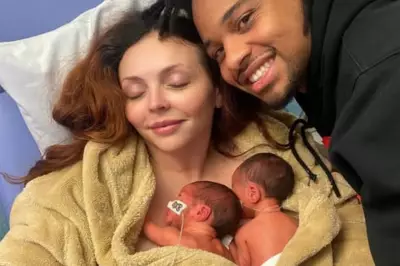
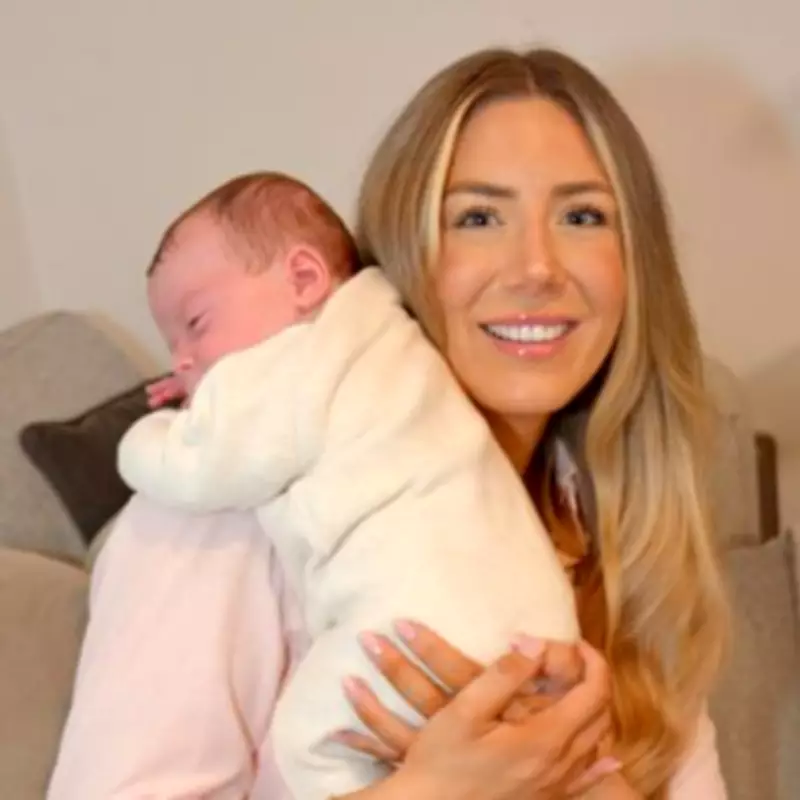
Grace Bell, an IT worker diagnosed at age 16 with Mayer-Rokitansky-Kuster-Hauser (MRKH) syndrome—a rare condition resulting in an underdeveloped or missing womb—had long harbored a heartfelt wish. "Every birthday when I blew out my candles, I'd wish for a baby," she shared, her voice breaking with emotion. "This tragic donor made my dreams come true." Grace and her partner, finance worker Steve Powell, were "in disbelief" upon discovering her pregnancy, describing the donation as "life-giving" rather than life-saving.
Hugo Powell was born in December at Queen Charlotte's and Chelsea Hospital in London, weighing 6lb 13oz (3.1kg). His birth represents the first in the UK using a womb from a deceased donor, with only two previous cases reported in Europe. Grace recalled the moment she learned of her condition as a teenager: "I remember going into the hospital toilets and uncontrollably crying." After meeting Steve, she disclosed her diagnosis immediately, and the couple initially pursued surrogacy before joining the womb transplant program.

Emotional Birth and Tribute to Medical Team
The delivery by Caesarean section was an emotional affair, with Grace holding Steve's hand as Hugo was placed in her arms. "Since I was 16, I never thought this was going to be possible," she admitted. Steve echoed her sentiments, calling the experience "nothing short of a miracle." In a touching tribute, the couple gave Hugo the middle name Richard, after Professor Richard Smith, clinical lead of Womb Transplant UK and consultant gynaecological surgeon at Imperial College Healthcare NHS Trust.
Professor Smith, present at the birth, was moved to tears. "I've delivered over 1,000 babies in my life. Never has a baby been named after me," he said. "That did make me cry… it's been quite emotional." Bryony Jones, a consultant obstetrician at Imperial College Healthcare NHS Trust who delivered Hugo, noted the special nature of the birth, emphasizing that such procedures are part of ongoing research due to limited global knowledge.
Organ Donation Crisis and Broader Implications
This joyful event occurs against a backdrop of a severe organ donation crisis in the UK. The NHS transplant waiting list has reached a record high of 8,235 patients, with nearly 5,000 people dying while awaiting transplants over the past decade. Despite the introduction of an "opt-out" system under the Organ Donation (Deemed Consent) Act—known as Max and Keira's Law—bereaved families can still veto donations, leading to a decline in donor support rates from 68% pre-pandemic to 59%.
Womb transplants require specific family consent, similar to novel transplants like hands and faces, as they are not covered by standard procedures. Grace's donor also provided five other organs to four people, saving multiple lives. The donor's parents, speaking anonymously, expressed pride in their daughter's legacy: "Through organ donation, she has given other families the precious gift of time, hope, healing and now life."
Future of Womb Transplants and Accessibility
Womb transplants remain a pioneering field, with two-thirds involving living donors. Womb Transplant UK has performed five transplants in the UK—two from living donors and three from deceased donors—resulting in two births so far. Professor Smith highlighted financial constraints, noting that while about 5,000 women in the UK are born without a womb, an estimated 15,000 women of reproductive age could benefit from the procedure, including those who lost their womb due to cancer or hemorrhage.

Currently, women can only access womb donation through charity funding, as it is not routinely offered on the NHS. NHS Blood and Transplant urges people to register their organ donation wishes, though this does not automatically include womb donation. This story underscores the critical need for increased donor awareness and support to help more families realize their dreams of parenthood.