Historic Birth: UK's First Baby from Deceased Donor Womb Transplant
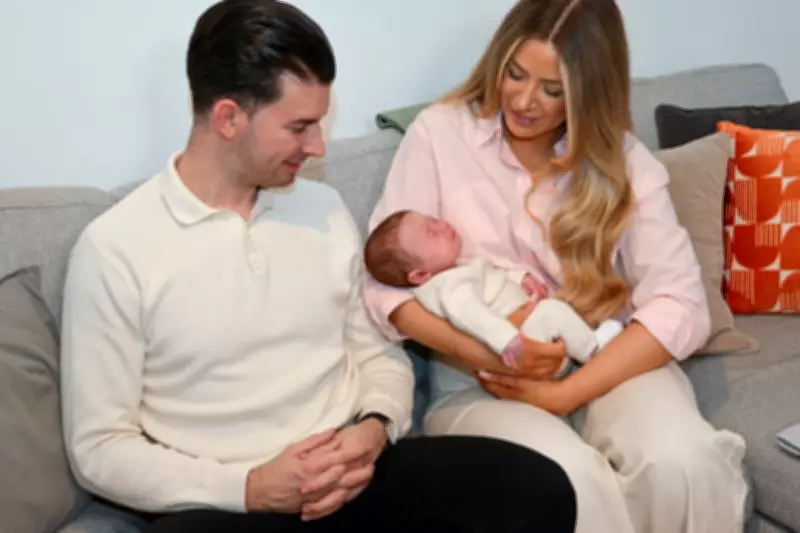
Doctors involved in a pioneering womb transplant programme have described overwhelming moments of joy as baby Hugo Powell entered the world, marking the United Kingdom's first successful birth following a uterus transplant from a deceased donor. The landmark delivery occurred in December at Queen Charlotte's and Chelsea Hospital in London, with Hugo weighing a healthy 6lb 13oz (3.1kg).
A Groundbreaking Achievement in Reproductive Medicine
Bryony Jones, consultant obstetrician at Imperial College Healthcare NHS Trust who delivered both babies born in the UK after womb transplants, expressed profound excitement about this particular birth. "I have the best job – delivering any baby is really exciting," she told the Press Association. "But this baby was particularly special, especially as we had seen the patient right from the start. We had the whole of the team with us on that day, so it is very exciting, and we're all delighted."
Ms Jones explained that medical teams are transparent with patients about the limited global experience in caring for women who have undergone uterine transplants. However, she emphasized that extensive expertise from managing other organ transplant recipients provides transferable skills for handling these complex pregnancies.

The Technical Challenges and Breakthrough Significance
Isabel Quiroga, consultant surgeon and clinical lead for organ retrieval at the Oxford Transplant Centre, has performed both womb transplants conducted in the UK. She highlighted the particular significance of this achievement, noting there's a precious window of approximately 12 hours when a uterus from a deceased donor remains viable for transplantation.
"This is a ground-breaking operation in the sense that we know, technically, there's more failures internationally – early failures – after the transplant from the deceased than from the living," Ms Quiroga explained. "Equally, there's not many babies to date that have been born after a deceased donor transplant. The fact that we have the third in Europe, the first in the UK, is very, very important."
She emphasized how this breakthrough opens possibilities for women without living donors to experience motherhood, while also expanding donation opportunities beyond lifesaving organs to include life-creating possibilities.
Expanding Access and Addressing Funding Challenges
Professor Richard Smith, clinical lead at Womb Transplant UK and consultant gynaecological surgeon at Imperial College Healthcare NHS Trust, revealed the charity requires additional funding to continue its pioneering programme. To date, surgeons have performed five womb transplants in the UK – two involving living donors and three using deceased donors, all funded by the charity.
"Both the living and deceased programmes have got capacity for expansion," Prof Smith explained. "We're constrained mainly by cash. I think it's really important to say that most of the women who've come through our system so far have been born with no womb, but there's a huge number of women out there who've lost their womb because of cancer or haemorrhage."
He estimates approximately 5,000 women in the UK were born without a uterus, with potentially 15,000 women of reproductive age who might benefit from this procedure. Professor Smith is currently in discussions with NHS leaders about potential future funding for women who have no alternative means of having their own biological children.
Comprehensive Care and Future Implications
Women receiving womb transplants undergo extensive monitoring throughout their pregnancies, including additional appointments, extra scans to track fetal development within the transplanted uterus, and regular blood tests. Each patient receives care from more than thirty expert medical staff members throughout the process.
Ms Quiroga expressed continued awe for donor families, stating: "These families want to help others. They want to give life and to give health to other patients. I'm incredibly grateful." This medical milestone not only represents a personal triumph for Hugo's family but also signals a significant advancement in reproductive medicine with far-reaching implications for thousands of women across the United Kingdom.