Woman's Heart Stops for 14 Seconds, Survives Stroke at 26, Now Pioneers Research
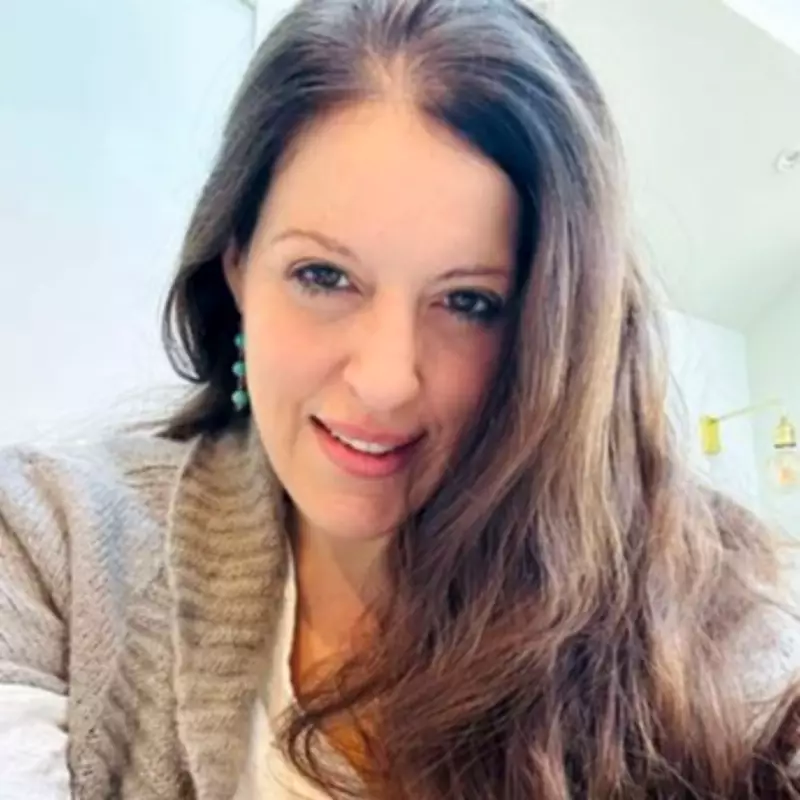
A 45-year-old cardiac specialist from London, born with two congenital heart defects that cause her heart to stop for up to 14 seconds at a time and led to a stroke at age 26, has undergone nine major medical interventions over three decades. Angeliki Asimaki's journey includes open-heart surgery after doctors discovered a "gaping hole" in her heart, a revelation she initially thought was a joke.
Early Symptoms and Diagnosis
Angeliki first experienced symptoms at age 15, beginning with dizziness and light-headedness that progressed within months to fainting up to six times daily. With no family history of heart disease, extensive tests ruled out issues with her brain, blood sugar, or thyroid before doctors identified an intermittent complete AV block. This condition meant no electrical signals flowed between her heart's upper and lower chambers, requiring an immediate pacemaker implantation.
"When I was first diagnosed I thought that my life was over. I was so scared and angry," Angeliki told PA Real Life. "I was fainting so frequently during the day that I had reached the point that I couldn't leave my bedroom and go to the bathroom without having to ask a parent to accompany me, just in case I fell in the corridor."

Decades of Medical Interventions
Within six months of symptom onset, Angeliki had her first pacemaker fitted. "When you are a teenager and you are told that the only way to stay alive is if you have a machine helping your heart beat, you feel like your wings are being cut off," she recalled. Pacemaker technology in the 1990s imposed strict limitations, preventing her from using microwaves or being near mobile phones due to magnetic field risks.
Her medical journey continued with multiple pacemaker battery replacements—five in total—including a recent MRI-compatible model fitted two years ago at St George's Hospital in London. At age 21, she faced a pulmonary embolism and pneumonia requiring prolonged hospitalization and blood-thinning medication.
The most dramatic event occurred at 26 when, during a flight from Boston to Athens, she noticed an inability to focus her right eye while reading. Within 24 hours, the entire right side of her body weakened. Rushed to hospital, doctors diagnosed a haemorrhagic stroke caused by a ruptured brain blood vessel, treated with high-dose steroids.
Shocking Discovery and Open-Heart Surgery
At age 29, during a seven-hour surgery to replace pacemaker leads, Angeliki received shocking news. "When I woke up from that surgery, the surgeon looked worse than me," she said. "He came to tell me that the leads were in a horrible condition, but then he said: 'Angeliki, you have a hole in your heart!'"
Initially thinking it was a joke while emerging from anesthesia, she learned about a previously undetected congenital defect. After six months of recovery, she underwent open-heart surgery to physically stitch the hole closed, praising her surgeon's "incredible work."
Reflecting on her nine total interventions—five pacemaker procedures, three ablations for heart rhythm problems, and one open-heart surgery—Angeliki expressed frustration. "Looking back, I think it would have been better if I had gotten both diagnoses at the same time," she said. "I felt angry with the doctors that were looking after me in Greece. I felt like they could have picked up on this a little earlier and saved me a lot of grief."
Transforming Personal Struggle into Professional Mission
Angeliki's health challenges became the foundation for her career as a leading sudden cardiac death expert. "It is definitely the reason that I am very empathetic when I meet patients," she explained. "I truly understand where they're coming from, their fears and anxieties, and when they are nervous about the future."
After studying in London and completing a PhD in cardiomyopathies at Middlesex Hospital, she interned at Harvard University, spending 11 years in the United States as a faculty member. Since returning to London in 2017, she has developed groundbreaking research funded by the British Heart Foundation at City St George's, University of London.

Her work focuses on a non-invasive cheek swab method for diagnosing and monitoring arrhythmogenic cardiomyopathy (ACM), a condition with high risk of sudden cardiac death. This approach replaces dangerous heart biopsies by analyzing protein localizations. "I'm not going to rest until I expand it to other diseases," Angeliki said, though details remain unpublished.
Personal Life and Message of Hope
Despite her health struggles, Angeliki has built a fulfilling personal life, welcoming two healthy children—Michail in 2018 and Helena in 2021—through high-risk pregnancies closely monitored by multidisciplinary teams. "Looking back all these years, I could never have imagined how my life would turn out," she reflected.
"So the major reason that I'm sharing my story is to give people hope. Let's face it, I'm never going to be cured. I'm always going to be managed. But I want people to see that there are ways that you can turn out all right."
Currently, Angeliki is walking 28 miles in February to raise funds for the British Heart Foundation, continuing her commitment to advancing cardiac research and supporting others facing similar challenges.