New Oral Weight Loss Pill Shows Superior Results in Major Clinical Trial
A groundbreaking new study has revealed that an experimental oral medication called orforglipron could help patients achieve greater weight loss and better blood sugar control than current oral weight loss drugs. This development represents a significant advancement in the treatment landscape for type 2 diabetes and obesity management.
Convenient Tablet Form Challenges Injection Dominance
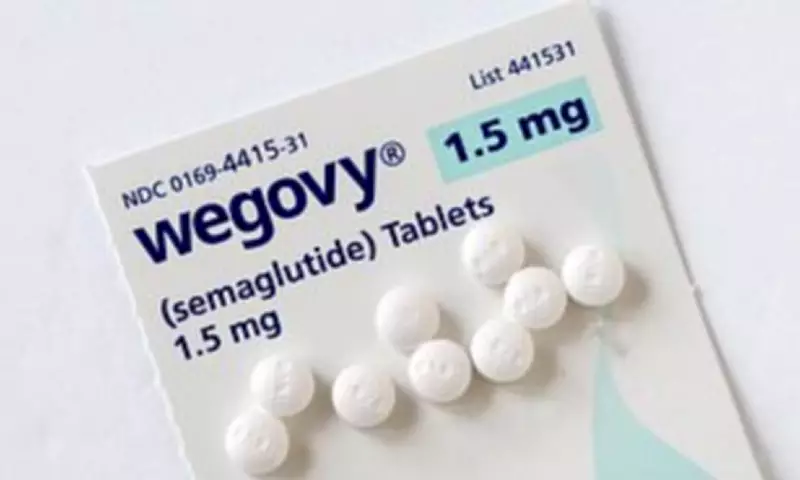
Orforglipron is a GLP-1 agonist that targets the same appetite receptors as popular injection-based treatments like Mounjaro, Wegovy and Ozempic, but comes in convenient tablet form. Unlike the newly launched Wegovy pill in the United States, which requires administration on an empty stomach, orforglipron can be taken without such restrictions, potentially making it much more user-friendly for patients.
The medication was specifically developed to treat type 2 diabetes and underwent rigorous comparison against existing treatment Rybelsus as part of a U.S. Food and Drug Administration review process. Both Rybelsus and the Wegovy pill are manufactured by Novo Nordisk and contain the same active ingredient (oral semaglutide), but with different approved uses - Rybelsus for diabetes treatment and Wegovy for weight management.

International Trial Demonstrates Superior Performance
In a comprehensive trial involving over 1,500 patients from Argentina, China, Japan, Mexico and the United States, researchers made remarkable discoveries. Patients who took orforglipron daily for one year experienced more substantial reductions in blood sugar levels and lost more weight than those receiving semaglutide treatment.
While the weight loss achieved with orforglipron wasn't as dramatic as that seen with injection-based Mounjaro, medical experts believe the tablet format will prove more accessible and acceptable to patients who are reluctant to use injections. The convenience factor could significantly improve treatment adherence and outcomes.
Detailed Study Methodology and Results
The research, published in the prestigious medical journal The Lancet, involved 1,698 participants randomly assigned to different treatment groups. Some received orforglipron at doses of 12mg or 36mg, while others received oral semaglutide at 7mg or 14mg doses. All participants took their medication daily for a full year, starting with lower doses that increased every four weeks until reaching their assigned treatment level.
Those on semaglutide were required to take their pills at least thirty minutes before their first meal, drink or other medication - a significant inconvenience that orforglipron users avoided. The results demonstrated that both orforglipron doses outperformed semaglutide in reducing blood glucose levels, with differences becoming statistically significant after just one month of treatment and maintained throughout the trial period.
Impressive Clinical Outcomes and Patient Benefits
The study revealed particularly strong results for patients who began the trial with higher blood sugar levels. Approximately one quarter of orforglipron patients achieved near-normal blood sugar levels during the study, compared to only about twelve percent of those on semaglutide who managed to reduce their blood sugar to safe ranges.
Researchers concluded that stricter blood sugar targets could become achievable with this new medication, potentially helping millions of people struggling with uncontrolled type 2 diabetes. The weight reduction observed likely contributed to these improved outcomes, with orforglipron patients losing more weight than their semaglutide counterparts.
Medical guidelines recommend that type 2 diabetes patients lose between five and fifteen percent of their body weight to effectively manage their condition, with reductions exceeding ten percent offering disease-modifying effects including potential remission. The trial showed that up to forty-three percent of orforglipron participants achieved at least ten percent weight loss, while only twenty-one percent of semaglutide patients reached this crucial threshold for reducing heart complication risks.

Safety Considerations and Future Potential
Despite these promising results, researchers noted some safety concerns. Approximately ten percent of orforglipron participants had to discontinue treatment due to adverse reactions, primarily gastrointestinal issues. This compared to only five percent of semaglutide patients experiencing similar problems.
If ultimately approved by regulatory authorities, orforglipron - manufactured by Eli Lilly, the same company behind Mounjaro - could become the next GLP-1 drug authorized for off-label weight management use. This development comes at a critical time, as weight loss injections have revolutionized obesity treatment by offering dramatic results previously unattainable through diet and exercise alone.
Addressing a Growing Public Health Crisis
The emergence of effective oral weight loss medications represents a potential solution to escalating public health challenges. With two-thirds of British adults now classified as overweight or obese, and type 2 diabetes rates among under-forties increasing by nearly forty percent, accessible treatment options have become increasingly urgent.
Oral weight loss pills offer several practical advantages over injection-based alternatives. They are generally easier to administer, simpler to store, and expected to be more affordable than weight loss injections, which can cost over three hundred pounds monthly when obtained privately. As researchers noted in their Lancet publication, orforglipron's efficacy, safety profile, tolerability, and simplified administration could address significant barriers associated with current therapies, offering a new highly effective option for individuals seeking glycemic and weight control without injections.