The Dulux Dog Legacy: A 65-Year Journey from Accidental Star to Endangered Icon
Sixty-five years ago, a serendipitous moment in advertising history unfolded when Dash, an Old English Sheepdog, bounded uninvited onto a Dulux TV commercial set. This playful interruption created one of the most enduring and iconic marketing images of all time, birthing the beloved Dulux Dog. Today, as the brand unveils its latest canine ambassador, Dorothy, for 2026, a heartbreaking reality shadows the celebration: the breed itself is at risk of disappearing forever.
From Dash to Dorothy: A Dynasty of Dulux Dogs
The first Dulux Dog, Dash, officially known as Shepton Daphnis Horsa, retired after captivating audiences, leading to a competition where 450 Old English Sheepdog owners vied for his successor. The winner, Fernville Lord Digby, or Digby, not only starred in adverts but achieved movie stardom in Digby the Biggest Dog in the World in 1973, complete with stunt doubles and chauffeur-driven sets. Over the decades, 14 Dulux Dogs have graced screens, with every dog in adverts for the past decade hailing from the same family lineage.
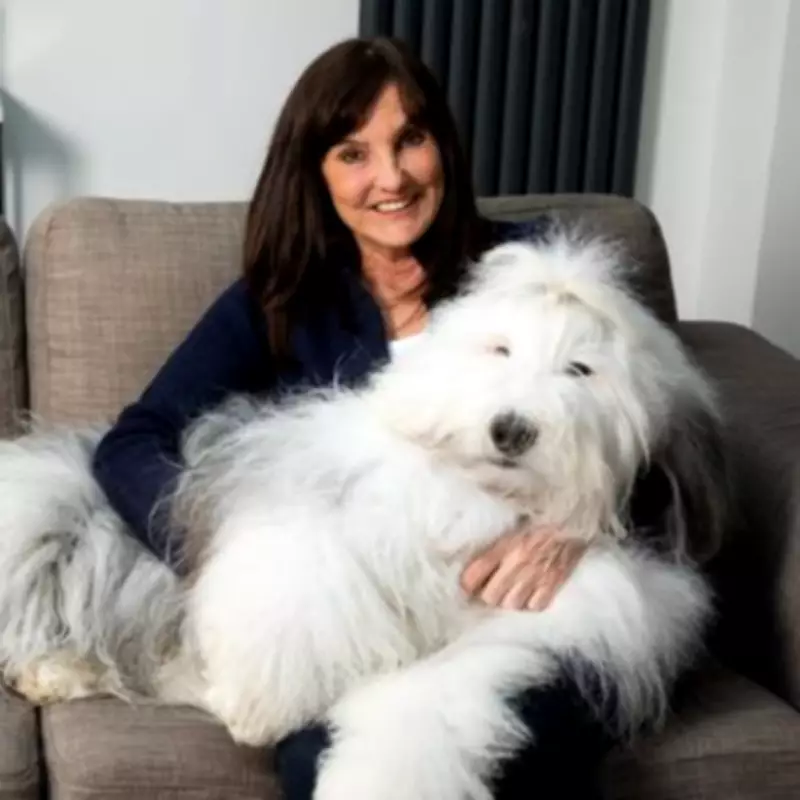
Dorothy, the newest addition, succeeds her mother Vienna and grandmother Olivia, continuing this proud tradition. She resides with owner Ellen Wheeler, a 60-year-old hearing technician in Lincolnshire, who has reared a dynasty of these famous hounds. Ellen shares, "Four of our Old English Sheepdogs have been Dulux dogs. It's brought opportunities we never imagined, from shows to TV adverts, feeling like a celebrity lifestyle at times." However, she notes the intensive behind-the-scenes work, with Dorothy requiring two hours of grooming per shoot and weeks of training for skills like shaking paws or balancing on a skateboard.

The Vulnerable Breed Crisis: A Six-Decade Low in Registrations
Despite their iconic status, Old English Sheepdogs are now classified as a vulnerable breed by The Royal Kennel Club. In 2020, only 227 puppies were registered in the UK, marking a six-decade low, even as 13.5 million dogs are kept as pets nationwide. A spokesperson for The Royal Kennel Club explains, "The landscape of Britain's favourite dogs has shifted, with historic native breeds struggling to compete with newer, more fashionable breeds. It's great to see Dulux continuing to shine a light on this breed, which brings joy to many."
This decline contrasts sharply with the breed's peak popularity in the early 1960s, following the first Dulux TV advert. Celebrities like Paul McCartney, who owned an Old English Sheepdog named Martha inspiring the song Martha My Dear, and The Rolling Stones, fans of the breed, helped cement its place in British culture. Yet, today, the breed risks fading from streets and parks.
Dulux's Enduring Impact and the Future of the Breed
Dulux has leveraged the Dulux Dog to become the UK's biggest-selling paint brand, with Marianne Shillingford, creative director at Dulux, noting, "The Dulux Dog was born out of serendipity, turning an everyday story of home decorating into an enduring masterpiece." Sam Balloch, Head of UK Consumer Brands at AkzoNobel, adds, "Reaching this 65-year milestone is incredibly special. The Dulux Dog has always represented more than paint, becoming part of families' home stories across generations."
As Dorothy steps into her role, the breed's future at Dulux remains bright, but its survival in the wider world is uncertain. Ellen Wheeler reflects on the joy of owning Old English Sheepdogs, "They're incredibly friendly, loyal, and full of personality—the ultimate cuddle companions." Yet, without increased awareness and support, this iconic breed may vanish, leaving only memories of paint adverts and celebrity pets.
Colour Psychology Tips from an Expert
In a related note, holistic interior designer and colour psychologist Suzy Chiazzari offers advice on using colour to enhance home happiness:

- Red: Energised and sexy—ideal for halls, corridors, gyms, and some bedrooms.
- Blue: Calm and quiet—best in bedrooms, studies, and quiet living areas.
- Green: Fresh and peaceful—benefits most rooms, often through plants.
- Yellow: Bright and happy—use in social spaces like dining and family rooms.
- Orange: Youthful and creative—uplifts dark spaces in living and dining rooms.
- Brown: Tactile and relaxed—best as natural timber in floors and furniture.
- White: Light and airy—avoid all-white spaces; mix with textures to prevent glare.
- Black: Emboldening accent colour—use minimally to set off other colours.
- Pink: Romantic and caring—suitable for bedrooms and children's rooms.
- Grey: Can be corporate and depressing—use as a neutral in most rooms.
- Purple: Inspirational and creative—suits living spaces and studios.